


.webp)
Medan, (March 24, 2024)– Universitas Sumatera Utara (USU), through its Faculty of Agriculture, is deepening its role in sustainable development by offering structured educational and outreach programmes on sustainable agricultural land management for both local and national communities. No longer confined to classroom teaching, USU positions itself as a partner for farmers, local governments, and rural organisations, ensuring that agricultural practices are productive, climate-resilient, and environmentally responsible in line with Sustainable Development Goal 15 (Life on Land).
At the heart of these efforts is a long-term collaboration with PT Agro Sindo International. Together, USU and PT Agro Sindo International deliver trainings, internships, and applied research projects that promote good farming practices, efficient use of water, soil, and inputs, and responsible livestock management. Students and farmers work side by side in demonstration plots and on partner farms, where they are introduced to technology-driven farming techniques, precision agriculture tools, and climate-adaptive strategies that help maintain yields under increasingly unpredictable weather conditions. Training modules highlight careful fertiliser management, the use of organic inputs, and better manure handling systems in livestock operations to reduce pollution and improve soil fertility. By integrating private-sector innovation into academic and community training, the partnership ensures that participants are exposed to practical, scalable solutions that can be applied across diverse farming systems.
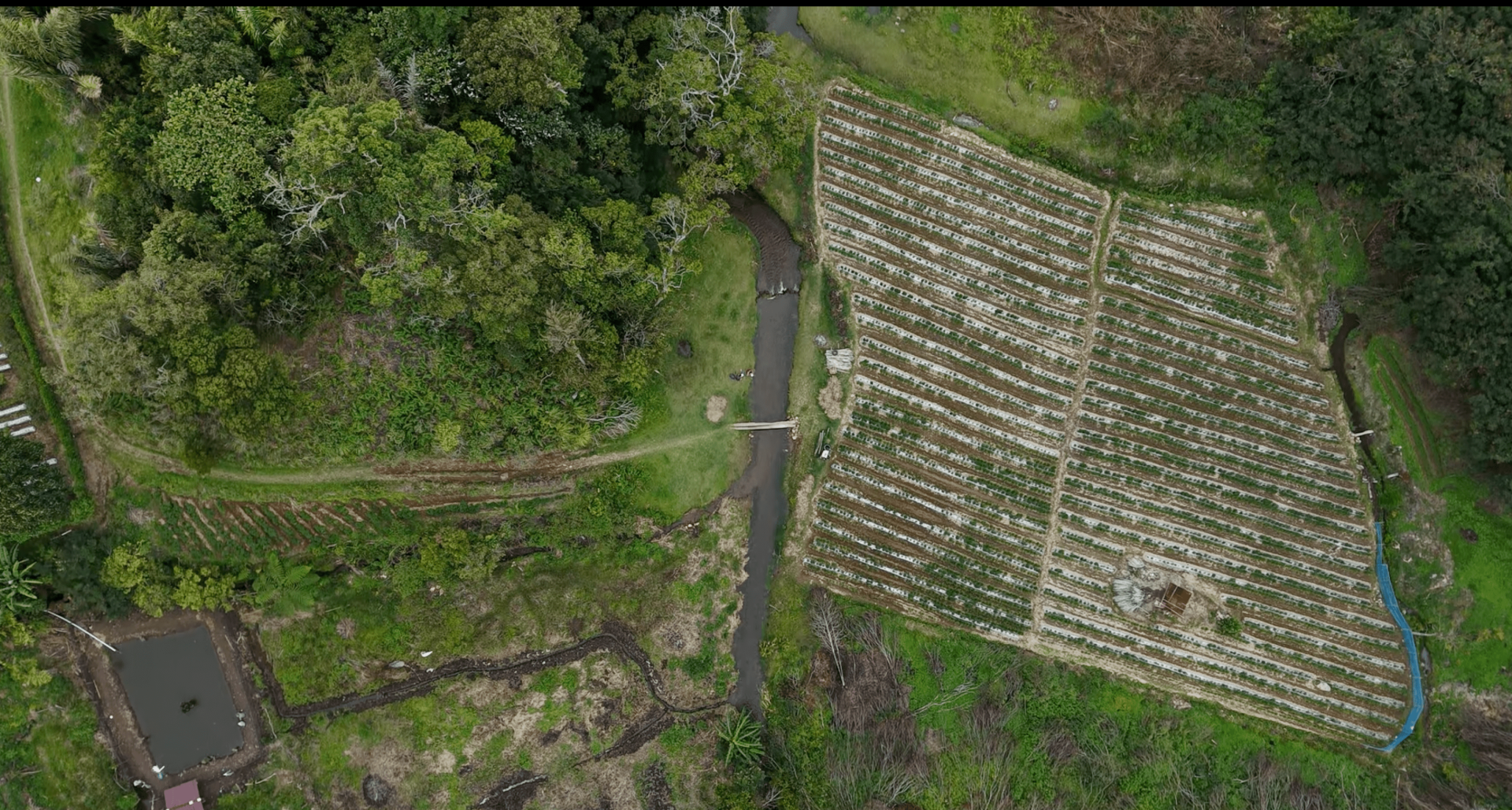
USU’s community service programmes (Pengabdian kepada Masyarakat) serve as a direct channel for transferring these innovations into farming villages. Supported by internal schemes such as the TALENTA USU Programme and national grants from the Directorate of Research, Technology, and Community Service (DRTPM), the Faculty of Agriculture implemented around 40 sustainability-focused projects in 2024 with more than Rp 1.1 billion in funding. These initiatives provide hands-on support for soil conservation—teaching farmers how to reduce erosion, maintain soil structure, and rehabilitate degraded plots through contour planting, mulching, and cover crops. Community teams also help farmers produce organic fertilizer from livestock manure and palm oil waste, turning potential environmental burdens into valuable inputs that close nutrient loops and support circular farming systems. Extension activities further introduce integrated pest management approaches that prioritise biological controls, crop rotation, and cultural practices, as well as climate-adaptive techniques such as adjusting planting calendars, diversifying crops, and applying water-saving irrigation methods.
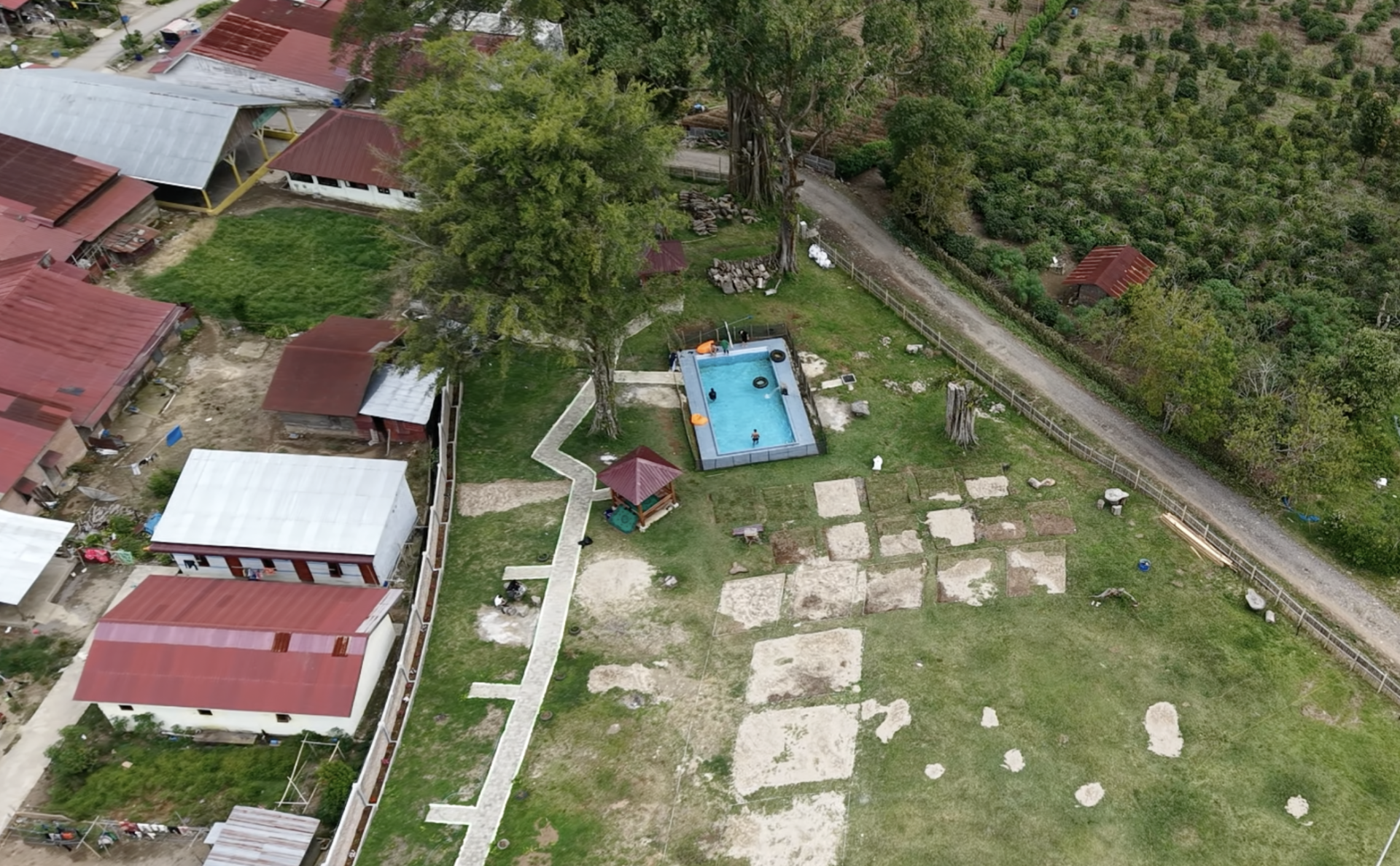
These programmes are not designed from behind a desk. They are co-created with farming households, youth groups, and rural cooperatives, ensuring that local knowledge and needs shape every intervention. In many villages, trainings double as learning platforms where participants discuss challenges, test new practices in demonstration plots, and jointly evaluate which methods work best under local soil and climate conditions. This participatory approach helps build trust and ownership, turning sustainability from a concept into a daily practice rooted in community experience.
USU’s commitment to sustainable land management also extends into land-use planning and regional governance. In collaboration with the Medan City Department of Food Security, Agriculture, and Fisheries, the university has helped develop spatial mapping for sustainable food agriculture zones, known as the Peta Kawasan Lahan Cadangan Pertanian Pangan Berkelanjutan (PKLCPPB). Using geospatial data, field surveys, and policy consultations, this mapping exercise helps local government identify and safeguard key agricultural areas from conversion, plan land use to support long-term food security, and embed sustainability principles into regional development planning. By linking scientific analysis with policy-making, USU ensures that sustainable land management is recognised not only at plot and farm levels, but also within official zoning regulations and planning documents.
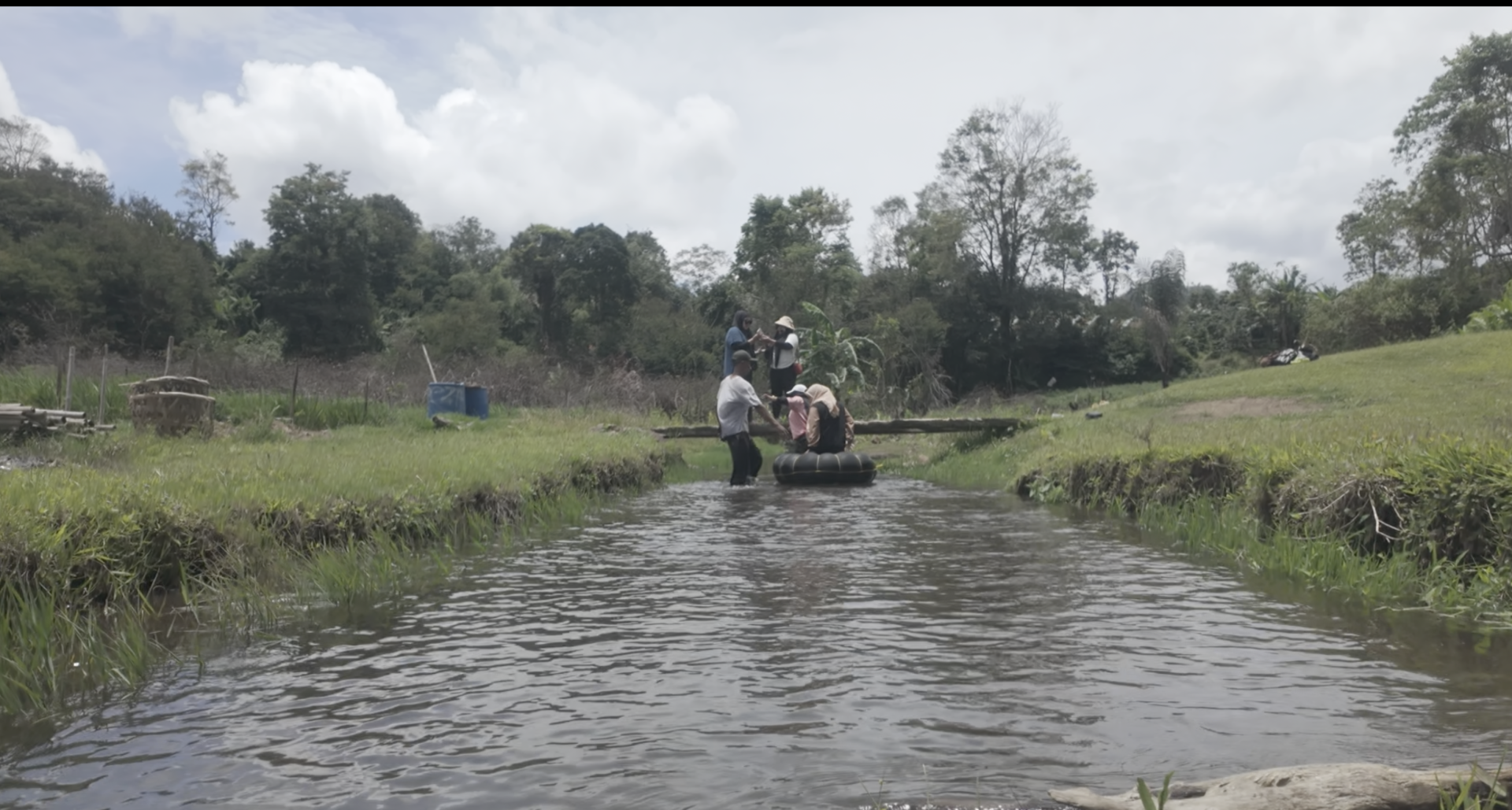
Through this integrated model—combining structured education, internships, applied research, community service, and policy support—USU has created a continuous cycle of learning and innovation that benefits both students and rural communities. Agriculture students gain critical field experience and a deeper understanding of how science translates into real-world solutions, while farmers and local officials gain access to tools, methods, and decision-support systems that can raise productivity and protect the environment at the same time. Workshops, demonstration plots, and extension visits turn academic findings into usable techniques that can be adapted from smallholder farms to larger agribusiness operations.
By offering these structured educational and outreach programmes on sustainable agricultural land management, Universitas Sumatera Utara demonstrates how a public university can drive tangible progress toward the Sustainable Development Goals. Its initiatives support SDG 2 (Zero Hunger) by promoting resilient and sustainable food production; SDG 15 (Life on Land) by restoring degraded soils and combating land degradation; and SDG 17 (Partnerships for the Goals) through active collaboration with PT Agro Sindo International, local governments, and community organisations. By equipping communities with knowledge and practical tools for sustainable agriculture, USU reaffirms its commitment to protecting life on land and ensuring that Indonesia’s soils, ecosystems, and rural livelihoods remain productive and resilient for generations to come.