


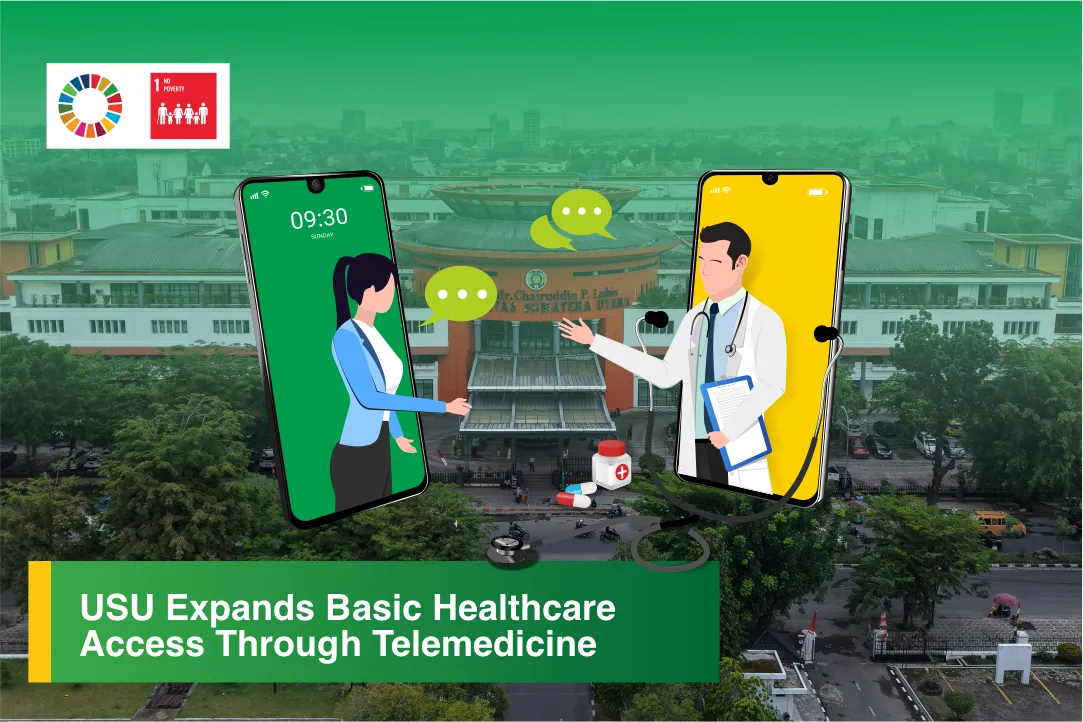
Medan, (August 9, 2024) – Universitas Sumatera Utara (USU) is broadening access to basic healthcare by pairing telemedicine and digital tools with on‑the‑ground public‑health outreach across North Sumatra. Built on academic research, technology transfer, and community participation, the model is designed to make essential services affordable and effective for residents in both urban neighborhoods and remote villages.
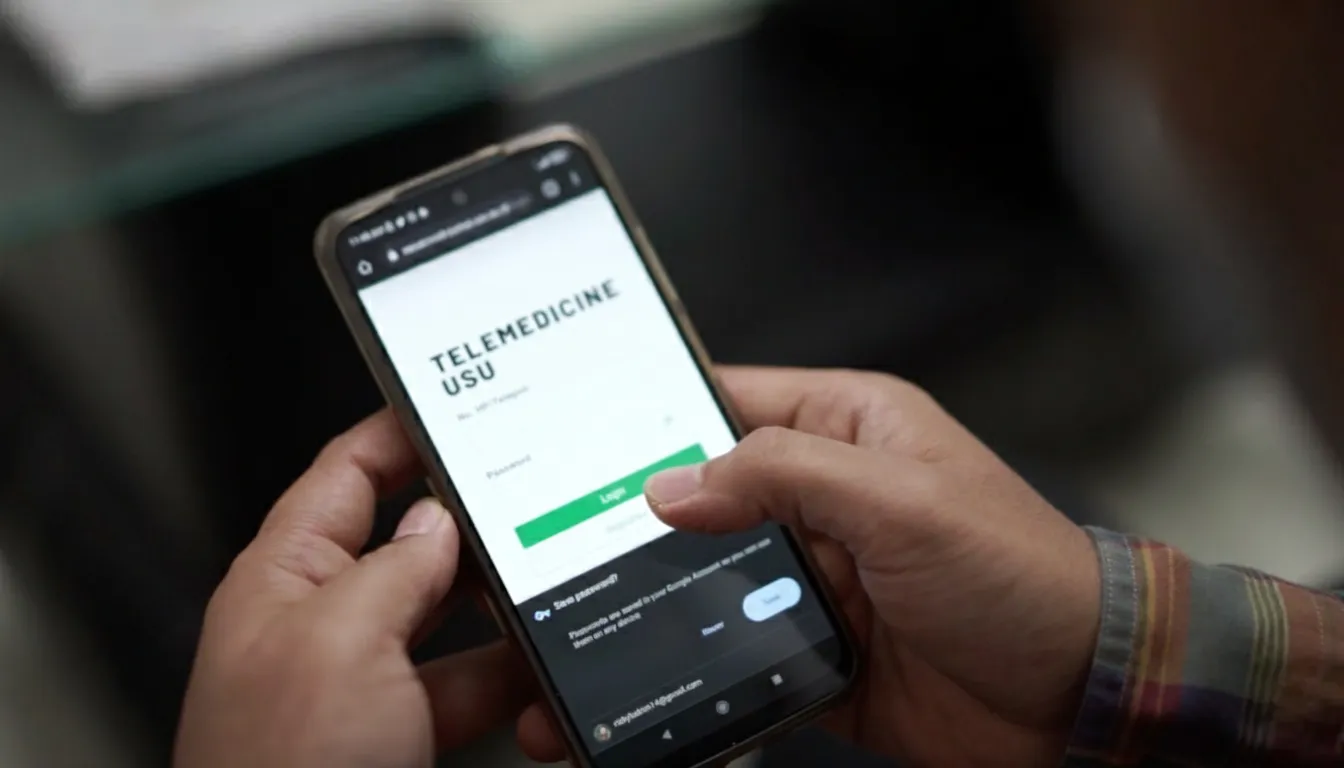
USU’s telemedicine network—operated through the USU Teaching Hospital (Rumah Sakit USU) and the Faculty of Medicine—offers real‑time consultations, remote diagnostics, and electronic health‑record management that connect patients in rural districts to doctors and specialists in Medan. In 2024, the service facilitated more than 6,000 teleconsultations for communities in Langkat, Labuhanbatu Utara (Labura), and Tapanuli. The platform integrates mobile‑based diagnostics, remote monitoring for chronic illness, and digital triage systems. “Telemedicine allows us to reach families who previously had limited access to doctors,” said dr. Muhammad Rizki Yaznil, M. Ked (OG), Sp.OG(K), Head of the USU Teaching Hospital. “By using digital tools, we can deliver preventive care and health education even in areas with limited medical infrastructure.”
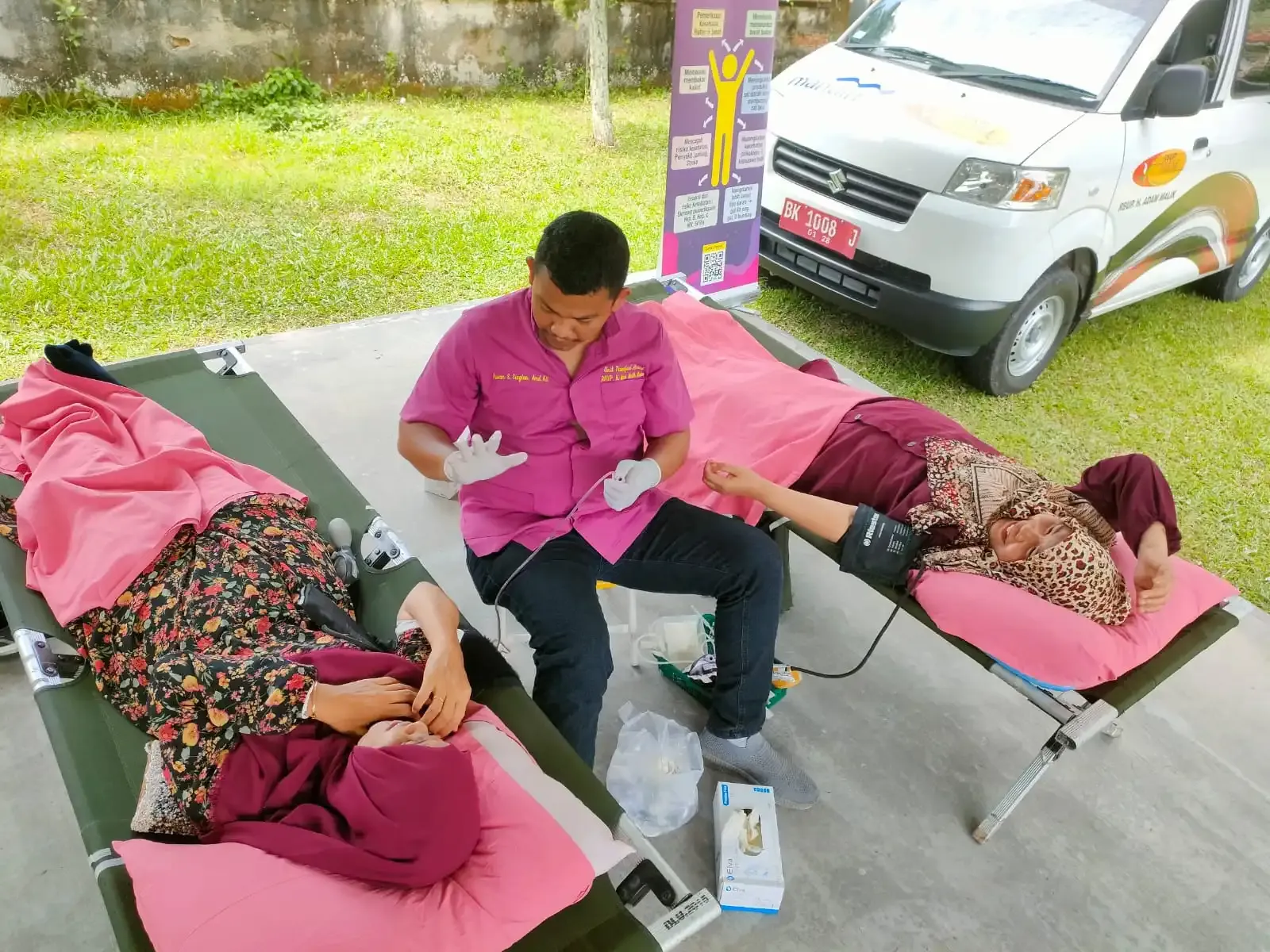
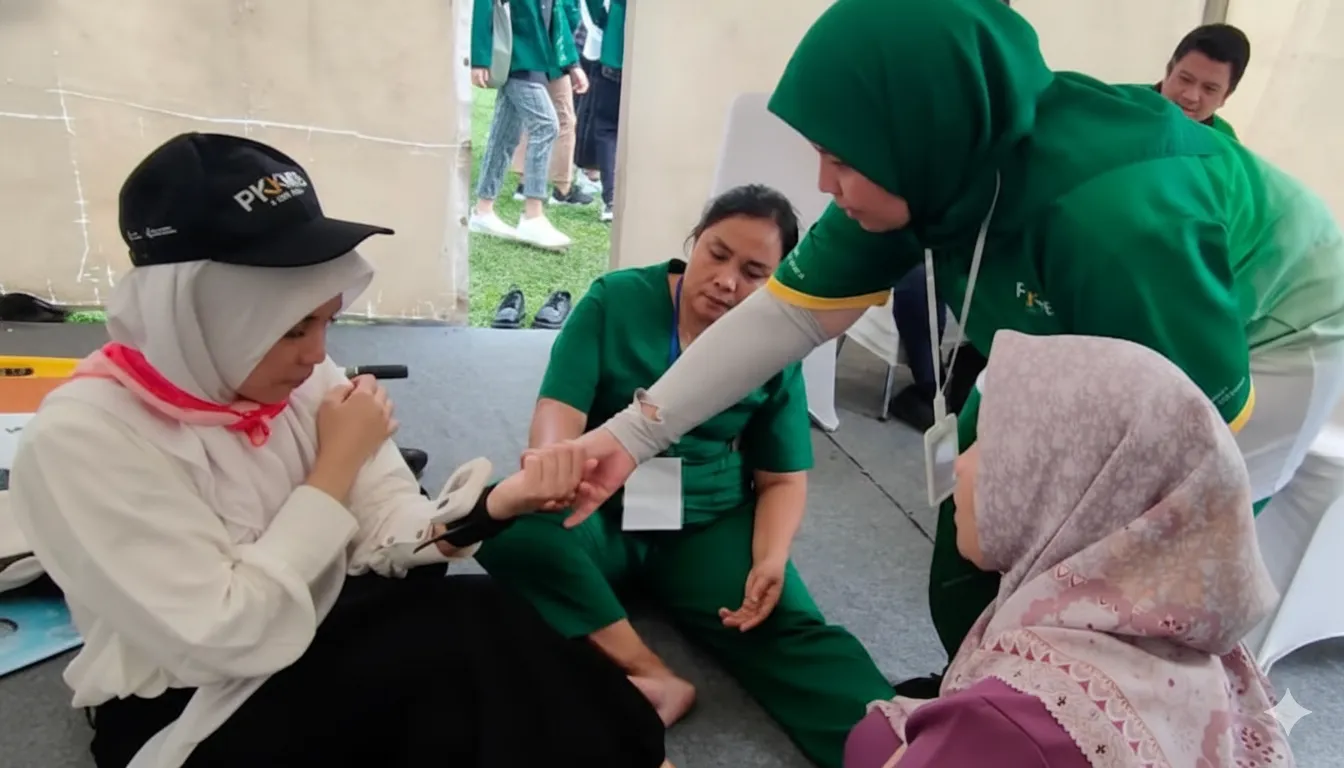
USU complements virtual care with community mobilization. In collaboration with the Indonesian Red Cross (PMI) and the Faculty of Nursing, the university held nine blood‑donation drives in 2024, collecting more than 1,200 blood bags for hospitals and emergency services in North Sumatra. Faculty experts and student health volunteers also ran targeted health campaigns on stunting prevention and nutrition, early detection of hypertension and diabetes, adolescent reproductive health, and sanitation practices—reaching over 20,000 residents and pairing education with practical screening and referrals.
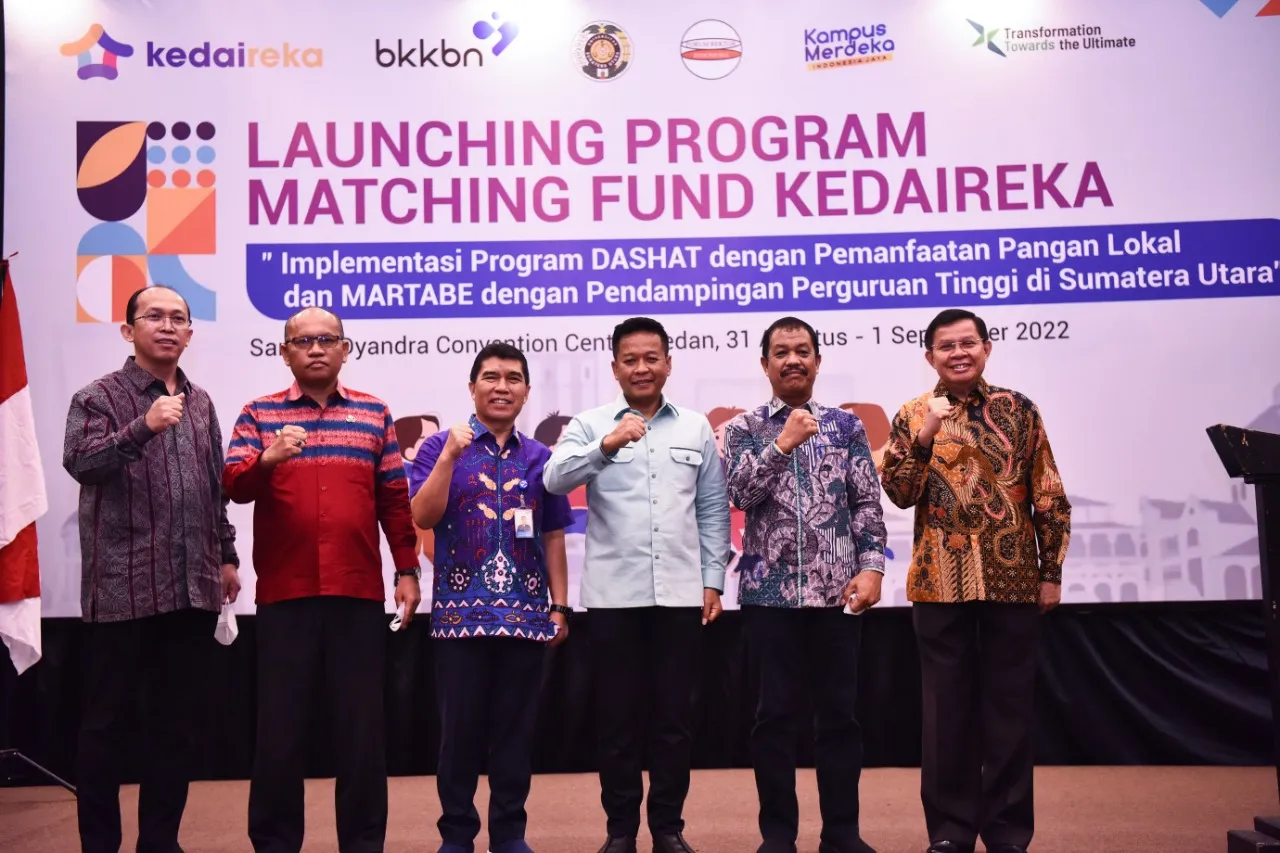
Through the Matching Fund Kedaireka Programme, USU links universities, industry, and local government to tackle stunting with two flagship initiatives. DASHAT Programme (Dapur Sehat Atasi Stunting/ Healthy Kitchen to Prevent Stunting), implemented with BKKBN, establishes “healthy kitchens” in rural villages and trains caregivers in balanced nutrition and food processing; in 2024 it supported eight villages across Deli Serdang and Simalungun and trained more than 300 mothers. Martabe Programme (Manajemen Risiko Stunting untuk Ciptakan Anak Berkualitas/ Managing Stunting Risks to Nurture Quality Children) builds local capacity to identify, monitor, and mitigate risk factors among children under five using a digital data platform and community‑based screening, improving how local governments map nutrition risks and target interventions. “Through programmes like DASHAT and Martabe, USU brings science into the community,” said Prof. Dr. Tulus, Vor. Dipl.Math., M.Si., Ph.D., Head of the Lembaga Pengabdian kepada Masyarakat (LPPM) USU. “We empower families and local health cadres with knowledge and tools to prevent stunting sustainably.”
Education and training reinforce the effort at village level. In 2024, the Faculty of Nursing trained 480 rural health volunteers across Langkat, Labura, and Dairi to strengthen prevention and case‑finding for priority conditions. The Faculty of Dentistry provided free dental check‑ups and oral‑health education to schoolchildren in Medan and Simalungun, serving more than 2,500 beneficiaries. By pairing clinical guidance with public education, USU helps ensure that access improvements translate into healthier behaviors and earlier care‑seeking.
A university‑wide digital backbone supports delivery and oversight. The Directorate of Digital Transformation and the Center for Information Systems (PSI USU) integrate medical and administrative data across 37 service units, linking hospitals, faculties, and community clinics for real‑time reporting, coordinated referrals, and more transparent health management. This infrastructure underpins faster decision‑making and tighter collaboration with local health offices.
Taken together, these initiatives advance SDG 1 (No Poverty) by lowering access barriers to essential health and welfare services; SDG 3 (Good Health and Well‑Being) by strengthening prevention, early detection, and stunting reduction; and SDG 9 (Industry, Innovation, and Infrastructure) by digitizing care pathways and integrating health data at scale. By combining telemedicine, community campaigns, innovation projects, and grassroots training, USU shows how higher education can drive equitable healthcare and social progress—ensuring that, regardless of income or geography, communities across North Sumatra can reach the care they need.