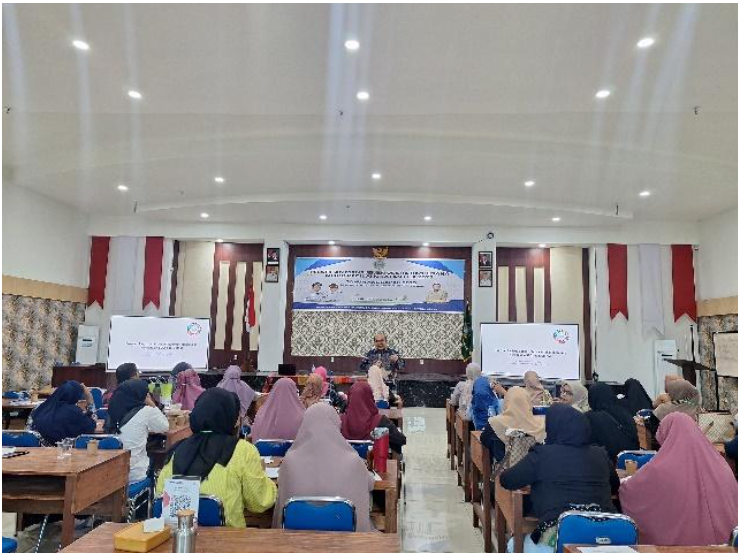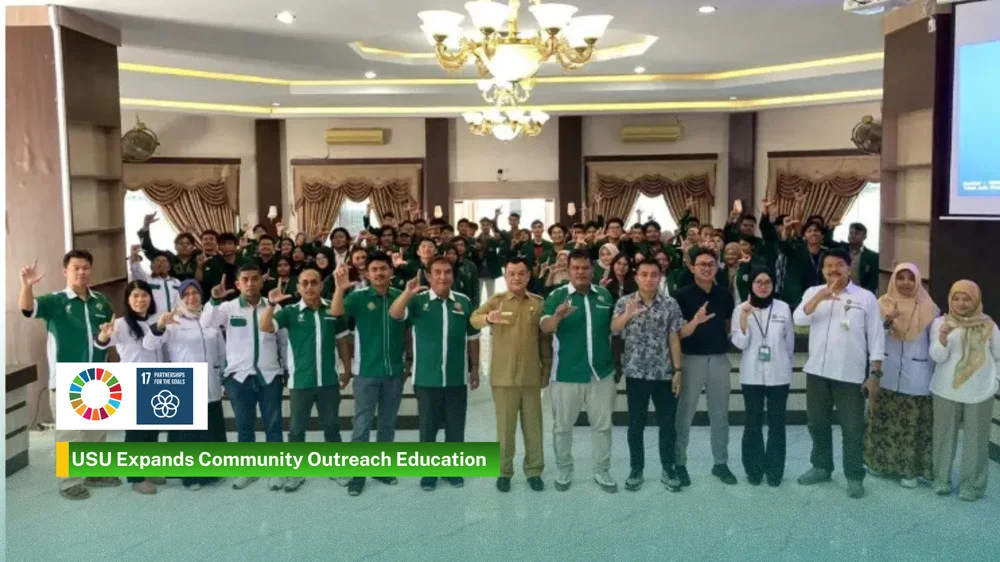
Medan, 16 October 2024 - Universitas Sumatera Utara (USU) has established a dynamic and far-reaching framework for community outreach education, strategically extending its impact beyond the campus to engage alumni, local residents, and vulnerable groups. This commitment is realized through a university-wide governance system managed by the Institute for Research and Community Service, which ensures all activities, from multidisciplinary student fieldwork and faculty-led training to legal literacy clinics and alumni-powered mentoring, are structured, tracked, and aligned with sustainable development principles. By integrating education with direct action, USU fulfills its civic mission to empower communities, address pressing social issues, and bridge the gap between academic knowledge and real-world application.
Thematic Community Service : SDG-Aligned Fieldwork
USU’s Thematic Community Service places multidisciplinary student teams in villages to deliver short courses and practical assistance on health, environment, entrepreneurship, and digital literacy. Thematic Community Service is Universitas Sumatera Utara’s credit-bearing field program that sends multidisciplinary student teams to villages and districts to tackle real problems linked to the Sustainable Development Goals, such as clean water, health promotion, entrepreneurship, education, and environmental stewardship. It is an officially offered pathway under the university’s independent learning framework and is described as a creative, practice-oriented learning model that strengthens partnerships with government and community stakeholders.
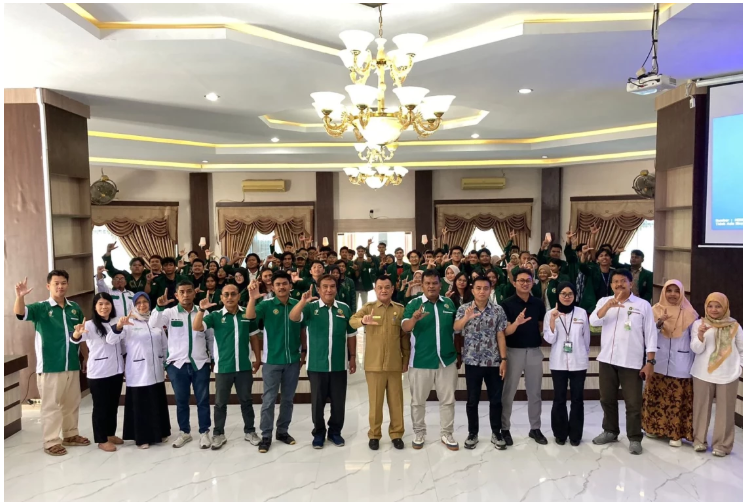
More Details:
https://lppm.usu.ac.id/en/news/usu-kkntr-students-2024-successfully-bring-new-colors-to-langkat-regency
Faculty-Led Training for Local Residents
Throughout 2024, lecturers and students delivered hands-on education for communities: healthy-living education with basic screenings; reproductive-health sessions with free check-ups; and early childhood hygiene promotion. These activities combine talks, demonstrations, and basic diagnostics to improve daily practices and public health.
Universitas Sumatera Utara lecturers and students ran targeted, hands-on health education in Bulu Cina Village (Deli Serdang). Activities combined short talks, live demonstrations, and basic screenings to turn guidance into daily practice. According to USU’s community-service page, the “Healthy Lifestyle Education” program which led by lecturers from the Faculty of Medicine and the Faculty of Public Health, and focused on routine checkups and disease prevention to reduce long-term complications to around 100 villagers. The outreach included on-site health checks (e.g., blood pressure and simple anthropometrics), counselling on diet, physical activity, and hygiene, plus Q&A stations staffed by medical and public-health teams.
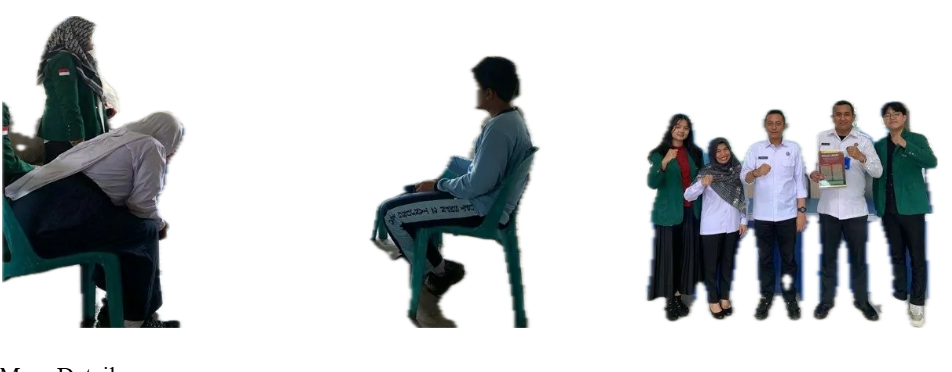
North Sumatra Launches “Business Registration for SDGs” with USU: 76 MSMEs participated
Universitas Sumatera Utara, working with the North Sumatra Provincial Development Planning, Research, and Innovation Agency (Bappelitbang), has agreed to establish an SDGs Secretariat Office at Bappelitbang to serve as the official base for the province’s Business Registration for SDGs program. The initiative is designed to help micro, small, and medium enterprises (MSMEs) understand the Sustainable Development Goals and record their voluntary alignment with one or more SDGs.
As a first step, the USU SDGs Center and Bappelitbang introduced a Declaration Scheme for MSMEs. Participants receive a plain-language briefing on SDG principles and then submit a voluntary declaration describing how their daily operations already support specific goals (for example, responsible production, decent work, or climate action). The process is simple, low-cost, and meant to unlock future coaching, networking, and recognition opportunities.