


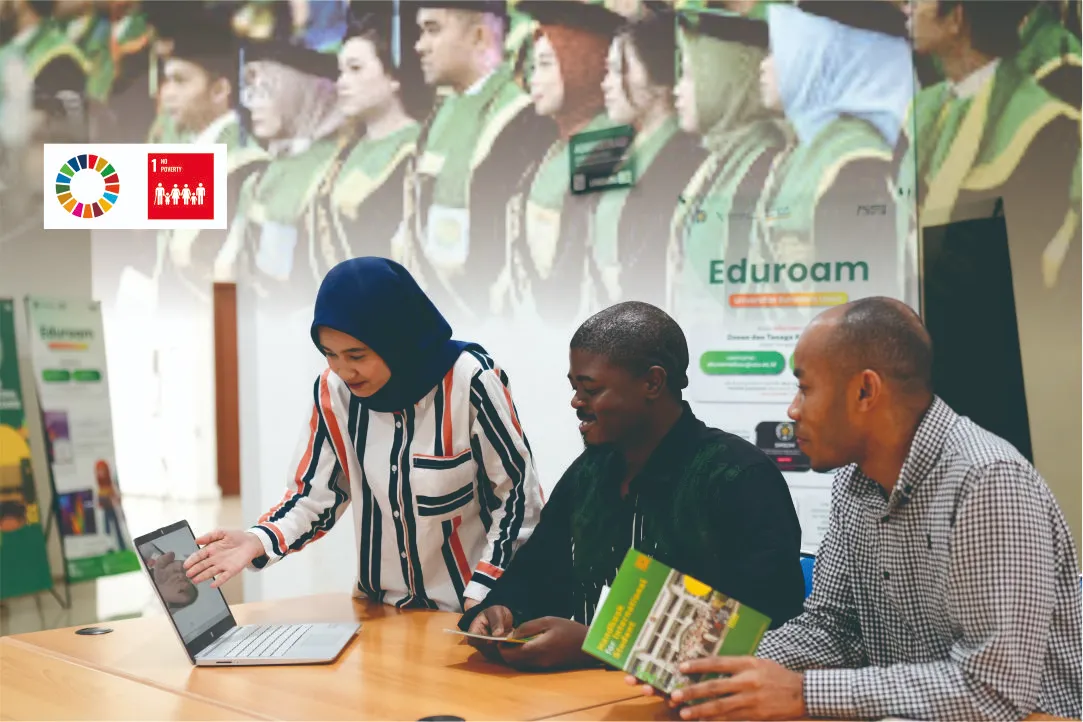
Medan, (May 13, 2024) – Universitas Sumatera Utara (USU) is strengthening its commitment to inclusive, globally accessible education by widening scholarship pathways for students from low‑ and lower‑middle‑income countries. Leveraging a mix of international and institutional funding—most notably Indonesia’s flagship Kemitraan Negara Berkembang (KNB) Scholarship—USU pairs full academic support with day‑to‑day welfare assistance so talented students from developing nations can begin, persist, and finish their studies in Indonesia.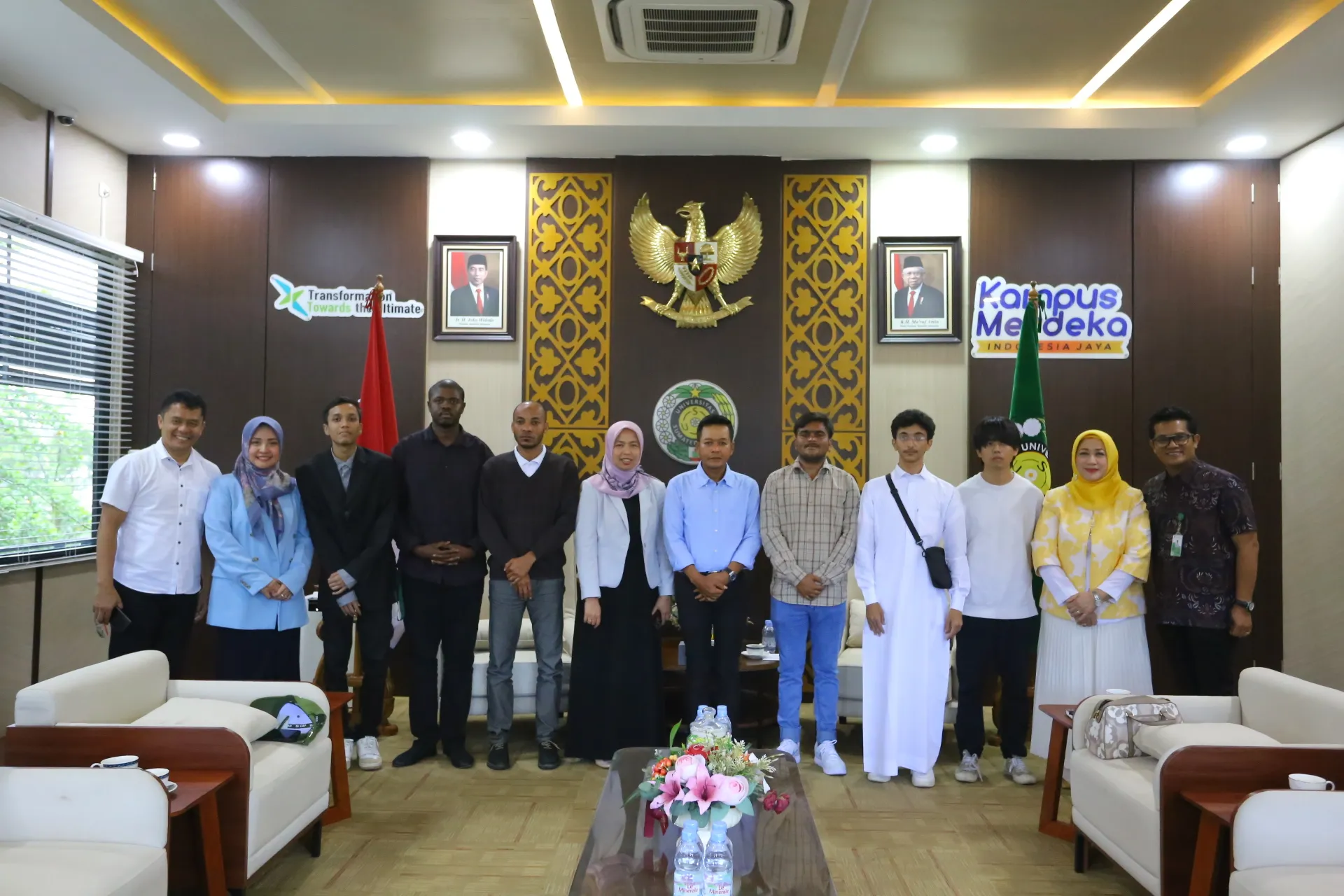
A cornerstone of Indonesia’s South–South Cooperation agenda in education, the KNB Scholarship is administered by the Ministry of Education, Culture, Research, and Technology (Kemendikbudristek). The program covers 100% of tuition and provides monthly living stipends (USD 250–300), settlement and research grants, accommodation in international dormitories, and comprehensive health insurance for the duration of study. In 2024, 49 international students—from countries including Timor‑Leste, Yemen, Nigeria, Pakistan, and Thailand—pursued programs at USU under KNB across faculties such as Public Health, Agriculture, Medicine, and Social Sciences. “Studying at USU has been a life‑changing experience,” said Fatima Ibrahim, a KNB scholar from Nigeria in the Faculty of Public Health. “The support I receive—from accommodation to academic mentorship—allows me to focus fully on my research and community projects. Universitas Sumatera Utara has become my second home.”

USU’s internationalization is designed to be holistic. The Office of International Affairs (KUI USU) manages orientation, visa facilitation, and welfare services, while the International Student Service Unit provides affordable dormitory housing for up to 120 foreign students, on‑campus counselling, and coordinated healthcare. Beyond coursework, KNB scholars are encouraged to join community engagement, language immersion, and innovation‑based research, helping them integrate with local communities and contribute to social development. Many channel their expertise into entrepreneurship and applied research—ranging from community‑based health initiatives and digital education tools to sustainable agriculture models—linking academic excellence with practical, measurable impact.

Scholarship access at USU extends beyond KNB. The university runs ASEAN and bilateral schemes, including the Indonesia–Malaysia Research Fellowship, support from the Thailand International Cooperation Agency (TICA), and ASEAN Joint‑Degree and Credit Transfer Scholarships. Through these partnerships, students from Malaysia, Thailand, Cambodia, and Pakistan can receive 50–100% tuition waivers and living stipends co‑funded by USU and partner institutions. In 2024, KUI USU recorded 19 international cooperation programs that supported 574 foreign participants and 108 visiting lecturers through summer schools, exchange semesters, and collaborative research. “These partnerships reflect our vision of education as a bridge for global equality,” said Prof. Dr. Muryanto Amin, Rector of USU. “By opening our doors to students from developing countries, we contribute directly to poverty reduction, capacity building, and international friendship.”
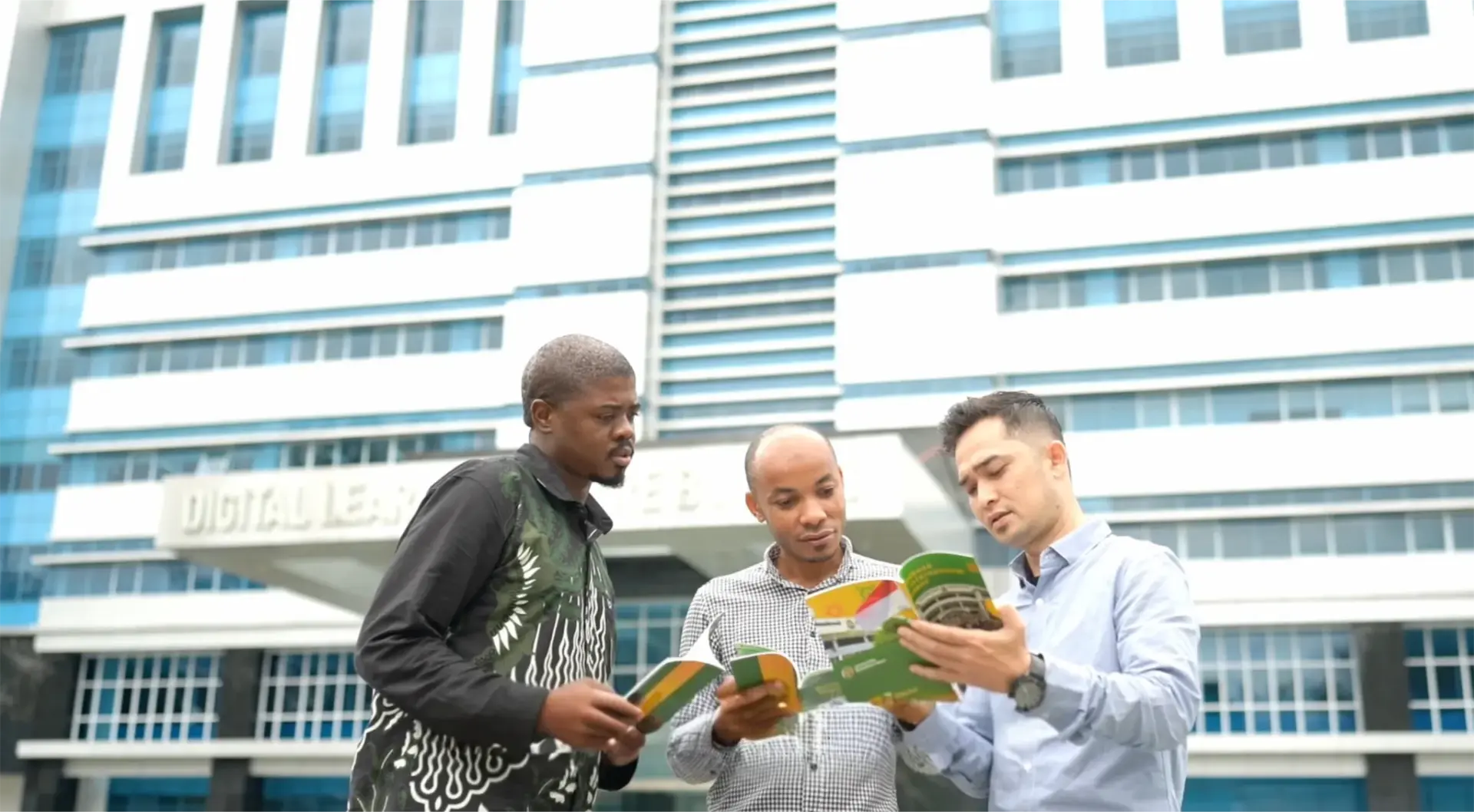
USU backs these initiatives with sustained institutional investment. Under its Internationalization Roadmap 2020–2025, the university allocates Rp 1.2 billion annually for academic mobility, joint research, and tuition subsidies for students from developing nations. The Faculties of Medicine, Agriculture, and Public Health also maintain dedicated scholarship quotas under ASEAN and OIC cooperation frameworks, ensuring that financial access is matched by academic opportunity and faculty‑level commitment.
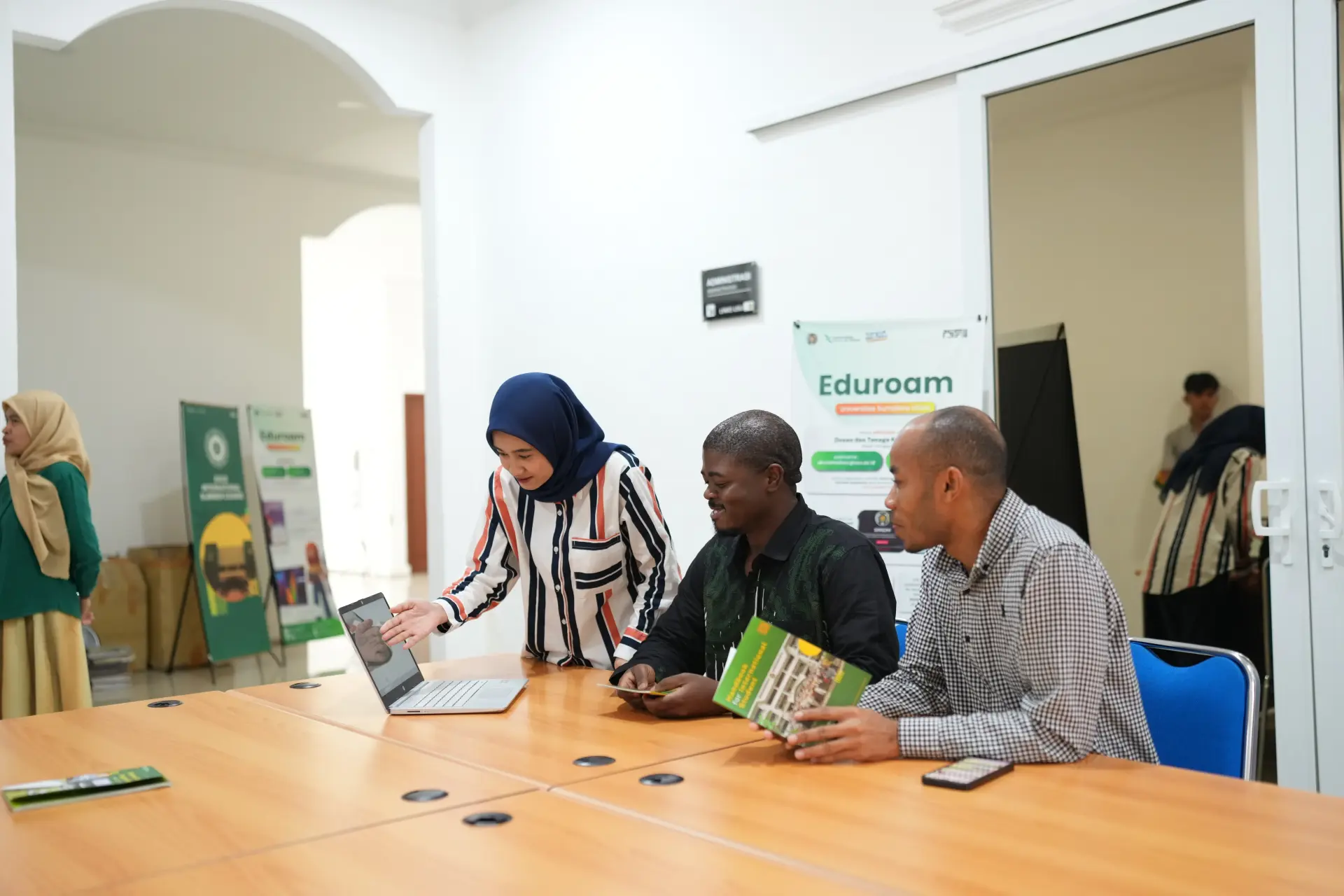
Taken together, these efforts show how international education can drive social progress. By combining financial assistance with academic mentorship, welfare support, and intercultural engagement, USU creates the conditions for students from disadvantaged backgrounds to thrive academically and professionally. In 2024, the university hosted 49 KNB scholars and 574 international participants, underscoring a model that turns access into empowerment and education into global partnership—advancing SDG 1 (No Poverty) through direct financial support, SDG 4 (Quality Education) through equitable, high‑quality learning opportunities, and SDG 17 (Partnerships for the Goals) through robust cross‑border collaboration. Through its sustained scholarship ecosystem, USU affirms that education is not limited by borders, but propelled by equity, cooperation, and shared humanity.