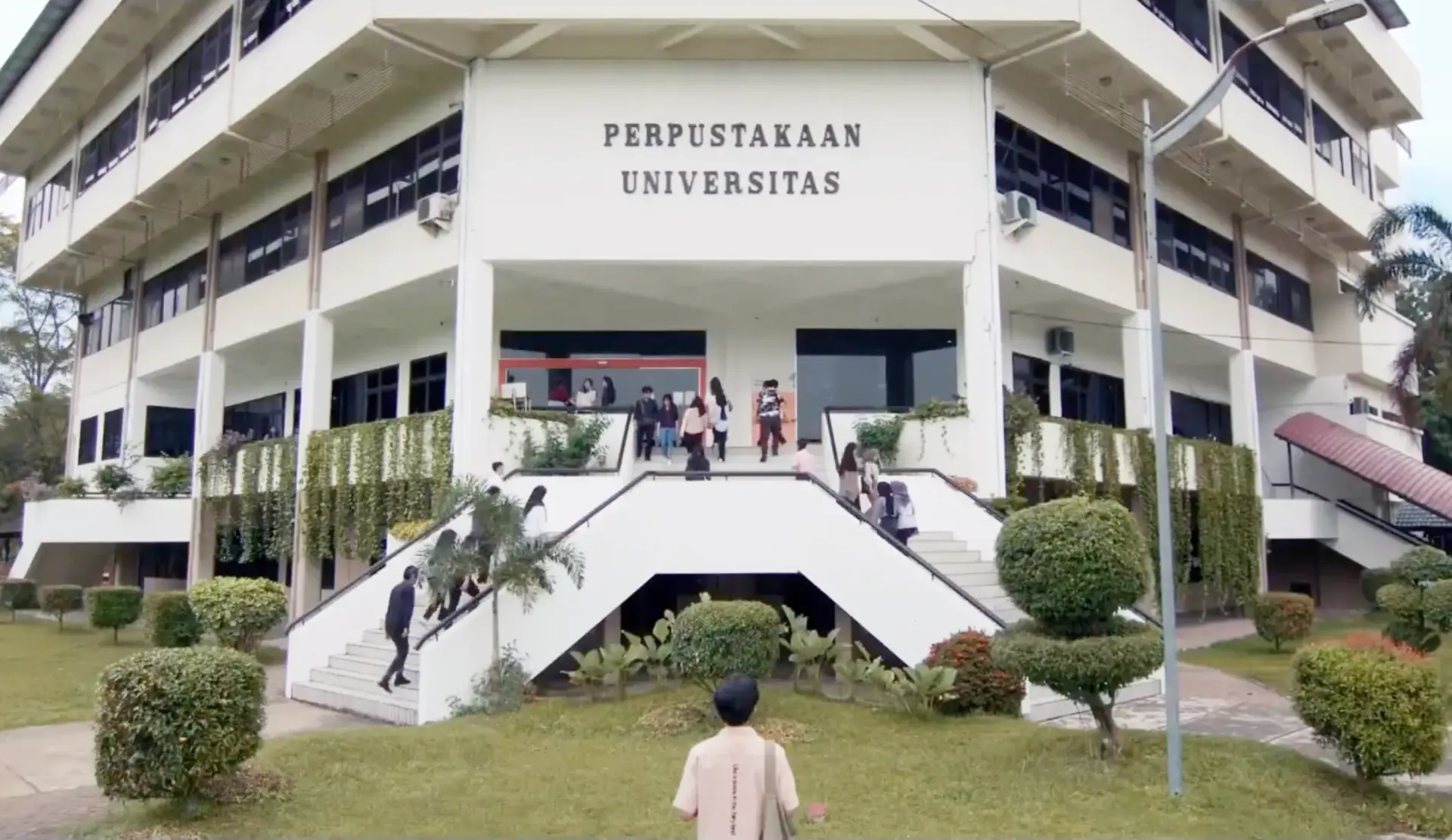
Medan, August 14, 2024 – Universitas Sumatera Utara (USU) is dramatically scaling up its efforts to democratize knowledge, opening its core academic resources to the public and positioning itself as a vital regional engine for lifelong learning. This significant strategic move aligns directly with the global push for inclusive and equitable education, as outlined in the UN’s Sustainable Development Goal 4 (SDG 4). USU is breaking down traditional academic barriers by transforming its central library, digital research repository, and even specialized laboratories into open assets. The impact is already measurable: in 2024 alone, the USU Library welcomed 319,000 visitors—a diverse group including local students, teachers, community members, and independent researchers—who utilized the free reading rooms and internet-connected facilities. Globally, the university’s commitment is even clearer, with its Institutional Repository—which hosts over 9,600 theses and research articles—attracting a staggering 11.5 million users from 199 countries over the year.
Knowledge Beyond the Campus Gates
The primary motivation behind this comprehensive expansion is to foster community development and close educational gaps across North Sumatra and beyond. To achieve this, USU has deployed several integrated platforms:
- Open Digital Learning: The MOOC USU (Massive Open Online Course) platform provides no-cost courses across key disciplines like science, technology, health, and social sciences. Learners can register freely, access recorded lectures, and study at their own pace, making high-quality education accessible to those outside formal higher education systems.
- Open Access to Research: By maintaining a fully accessible institutional repository, the university ensures that knowledge generated through research is not confined to the academic elite but is available to drive public innovation and informed debate globally.
- Transparency and Trust: Furthermore, USU actively strengthens its civic accountability by making institutional reports, policy documents, and research summaries available to the public via its Public Information and Documentation Management portal.
Shared Facilities for Community Innovation
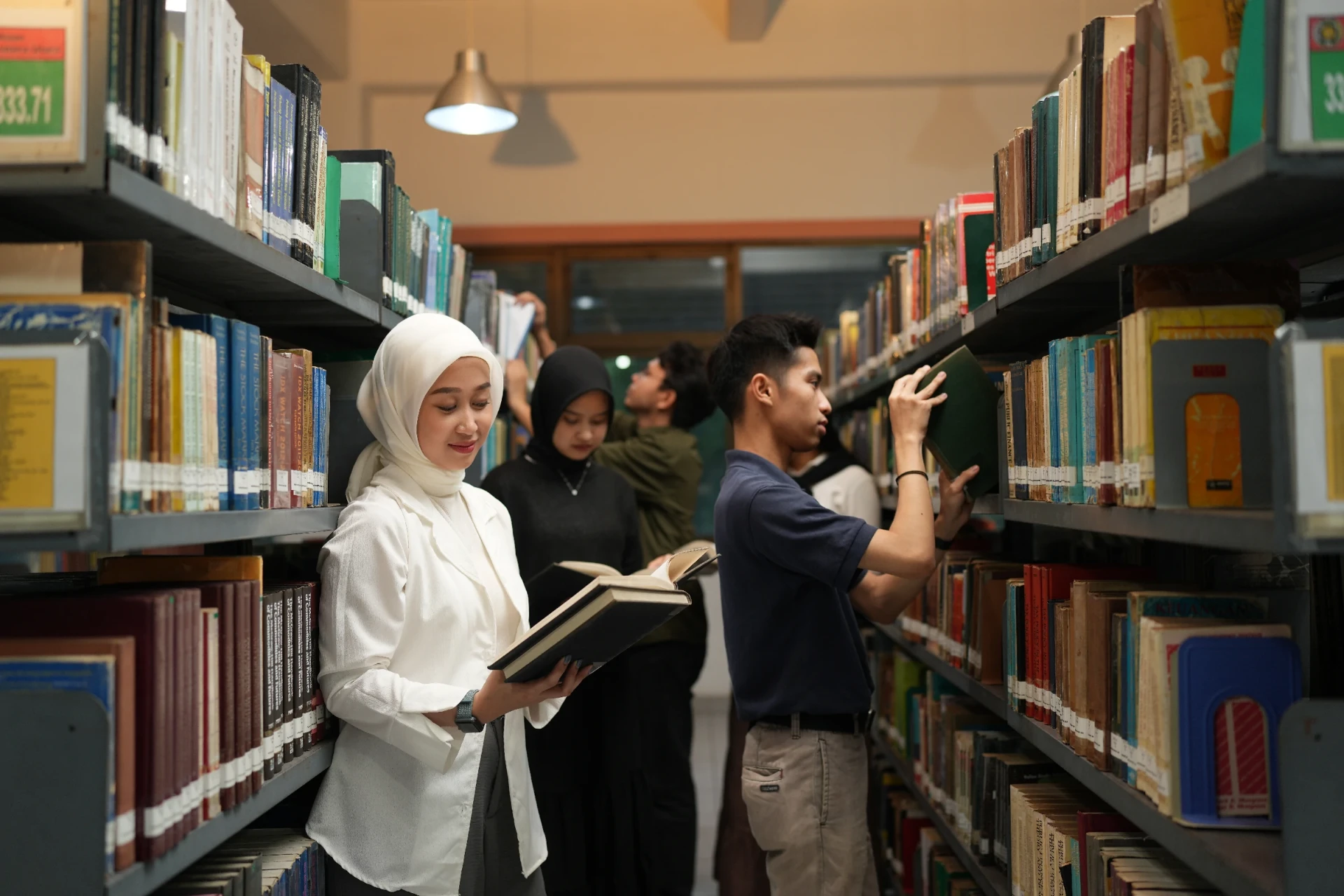
USU is ensuring that access extends beyond digital screens. The Central Library now operates an open-membership policy, allowing anyone—regardless of university
affiliation—to utilize its on-site study spaces and extensive print and digital collections, cementing its role as a regional knowledge hub.
_11zon.webp)
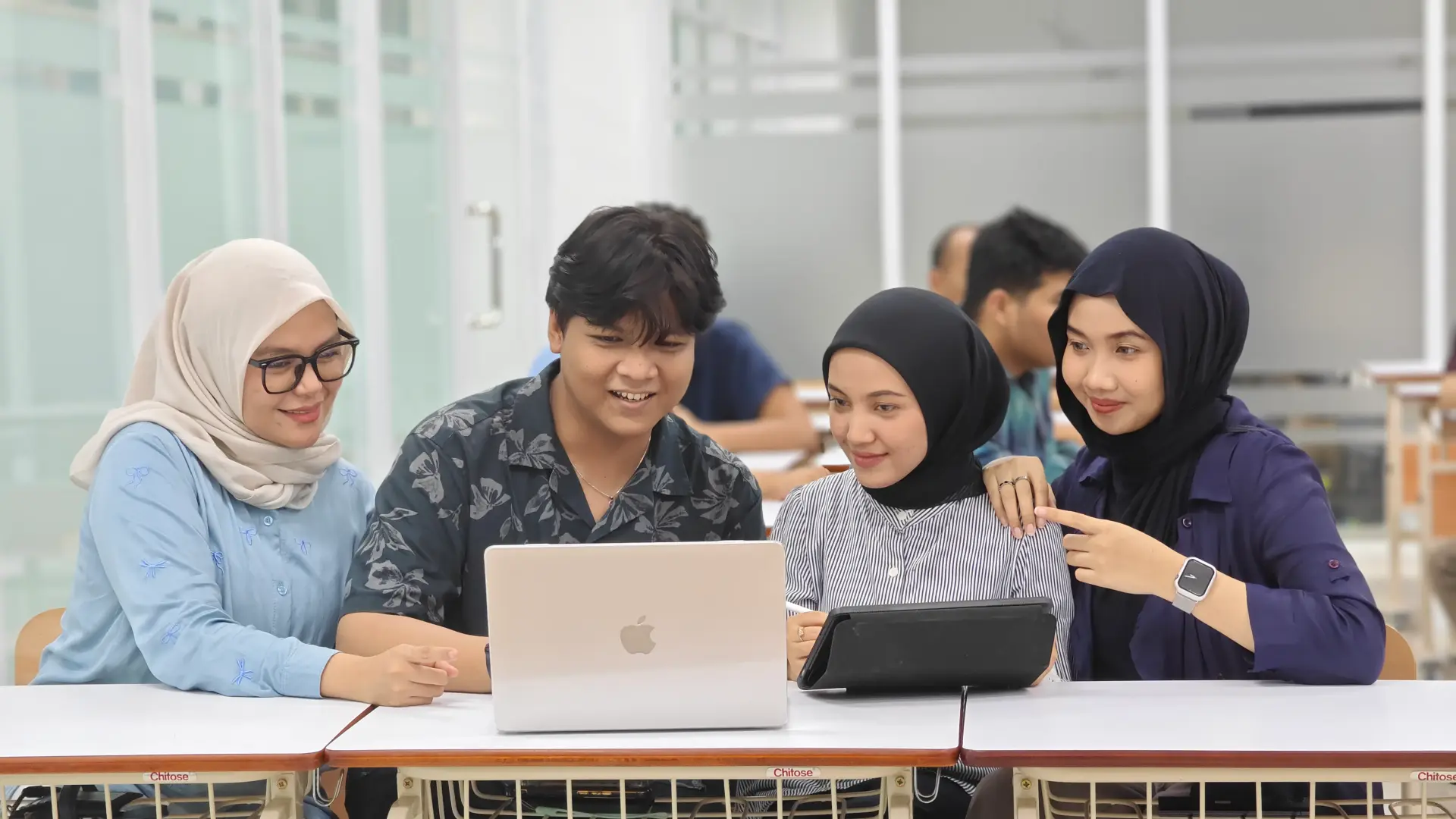
In a unique move to support local industry and education, the university has also opened selected research facilities. Via the Electronic Laboratory and Learning Access (E-LLA) program, schools, small enterprises, and community groups can apply to use specialized laboratories for supervised research, testing, and innovation activities.
The university’s faculties also regularly move learning off-campus, running free coding workshops, digital-literacy sessions, public lectures, and webinars. Through vital partnerships with local libraries, USU supports mobile library services and dedicated mentoring programs, embedding its academic mission deep within the community and fostering a culture of lifelong learning.