


Medan, (November 18, 2024) — Universitas Sumatera Utara (USU) has embedded climate action as a core element of its institutional governance, integrating it into campus operations, research, and community partnerships rather than treating it as a separate agenda. The university has effectively placed its climate action plan within Rector’s Regulation Number 3 of 2019 on the Implementation of the Green Campus Movement and related sustainability frameworks, including Circular Letter Number 1 of 2023 on Environmental Management and the Commitment to Achieve Carbon Neutrality by 2029. This embedded plan focuses on cutting carbon emissions, adopting renewable energy, managing waste sustainably, and engaging communities, ensuring that sustainability objectives are implemented through practical, data-driven actions across the institution.
USU’s institutional framework for climate governance prioritises carbon-emission reduction, renewable-energy adoption, sustainable waste management, and active community participation in environmental programmes. By formally integrating these priorities into planning and reporting structures, the university ensures that climate responsibility is shared across faculties, departments, and administrative units, rather than being confined to a single office or project. Faculties are expected to align teaching, research, and community service with these goals, making climate action a shared mandate embedded in routine academic and managerial processes.
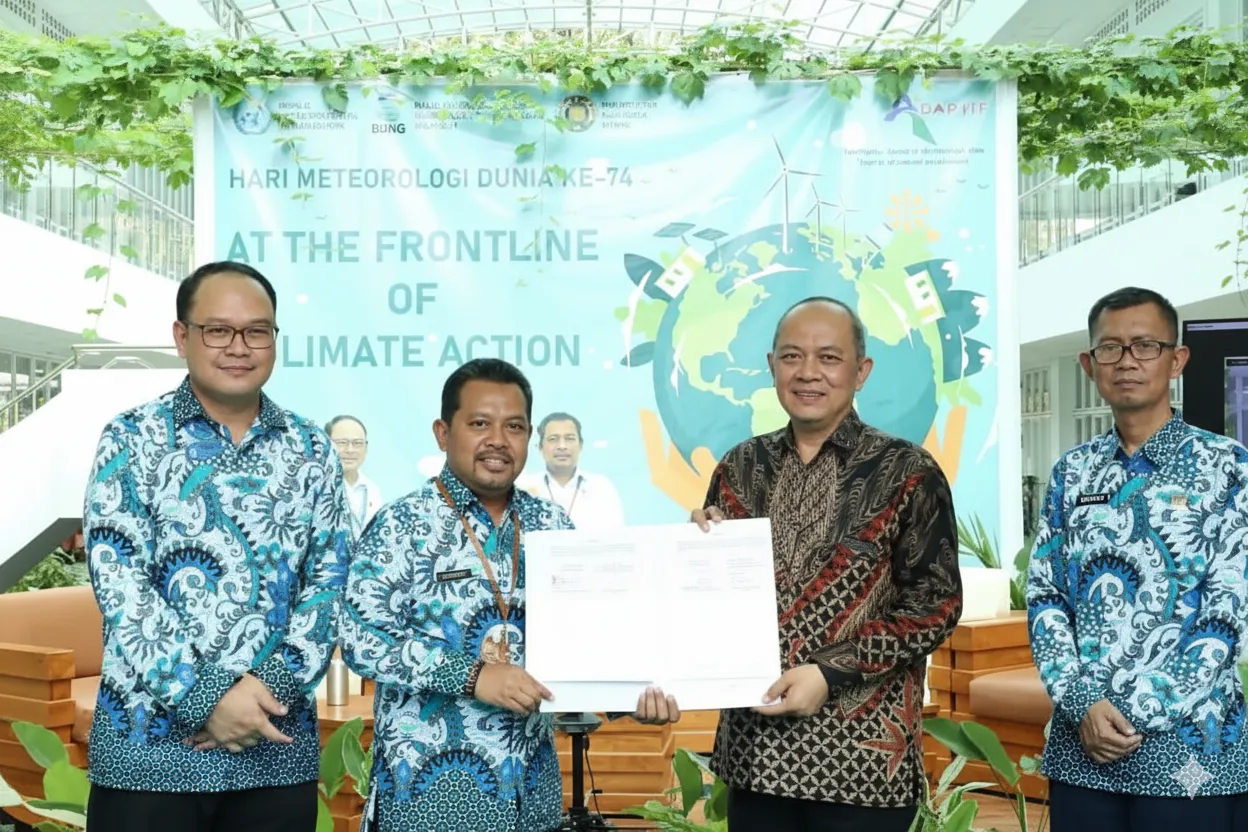
Collaboration with government and community stakeholders is a defining feature of USU’s climate work. In 2024, the university strengthened cooperation with regional planning agencies (Badan Perencanaan Pembangunan Daerah – Bappeda) through joint research and technical studies, including the Regional Action Plan Assessment (Kajian Penyusunan Rencana Aksi Daerah) for key sectors such as agriculture, waste reduction, and mercury elimination. Working with regional authorities, USU’s research units contribute technical inputs and evidence that inform local development policies and sectoral strategies. These partnerships enable continuous communication between USU and local governments, ensuring that academic research feeds into policy design, implementation, and climate-adaptation planning, and that regional priorities are reflected in the university’s research agenda.
Academic contributions from faculties such as Forestry and Environmental Science further reinforce this integrated framework. Their activities include climate-resilience modelling, studies on ecosystem and landscape vulnerability, reforestation projects, and carbon-sequestration education for students and communities. These faculties also collaborate with national and international experts through seminars, guest lectures, and joint research, facilitating the exchange of knowledge and best practices. Public seminars and workshops on climate science, adaptation, and sustainable resource management help train students to become future leaders in environmental policy and climate governance, while expanding the reach of climate information to practitioners and civil society. As Rector Professor Dr. Muryanto Amin, S.Sos., M.Si., has emphasised, universities must act as catalysts between science and society, transforming research into actionable climate strategies that benefit both the academic community and the wider region.
Beyond research and policy engagement, USU embeds environmental risk communication, forest resilience, and disaster-adaptation themes into its community-service programmes. Through Pengabdian kepada Masyarakat and other outreach activities, lecturers and students work with villages and local institutions on topics such as flood-risk reduction, land-use planning, ecosystem restoration, and community-based adaptation to climate impacts. These initiatives translate technical knowledge into practical tools that local actors can use to strengthen resilience and manage environmental risks.
Although Universitas Sumatera Utara has not yet issued a single stand-alone Climate Action Plan document, its coordinated efforts across faculties, research units, governance frameworks, and community programmes collectively function as an integrated climate action plan that is effectively shared with regional partners. This multi-level strategy—combining policy, applied research, technical assistance, and public engagement—embodies the university’s holistic approach to addressing environmental challenges. Aligned closely with Sustainable Development Goal 13 (Climate Action) and anchored in Rector’s Regulation Number 3 of 2019 and related sustainability instruments, USU’s integrated climate-action framework demonstrates how higher-education institutions can lead national efforts in climate resilience, sustainability, and environmental stewardship.