


.webp)
Medan, (November 22, 2024) — Universitas Sumatera Utara (USU) is strengthening its environmental commitment by ensuring that more of the food consumed and distributed on campus comes from sustainable and ethical farming systems. This focus on responsible food sourcing is part of USU’s broader Green Campus agenda and its contribution to SDG 15 (Life on Land), reflecting the university’s determination to connect everyday choices in campus canteens, cafeterias, and official events with long-term goals for sustainable agriculture, ecosystem protection, and biodiversity conservation.
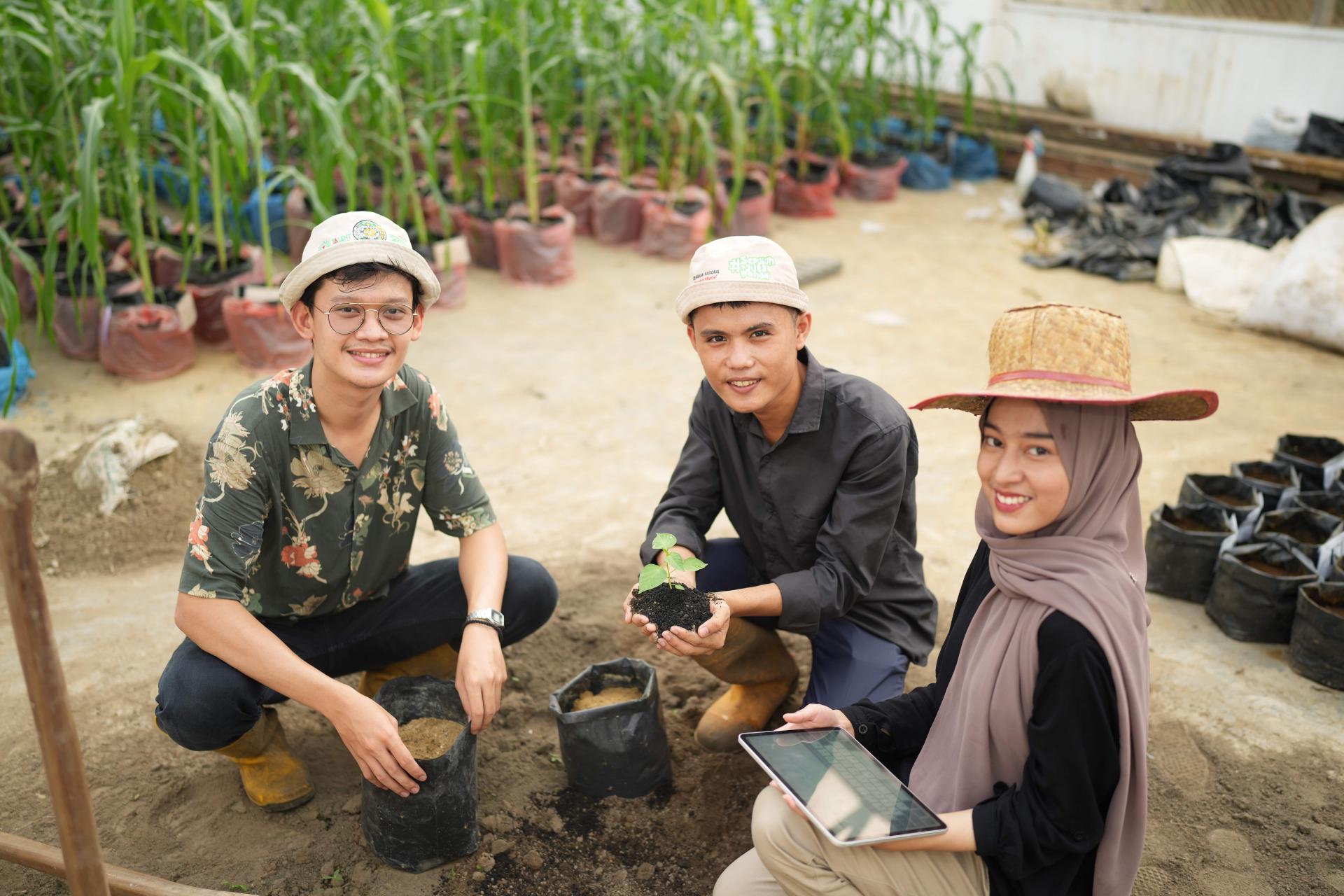
A central pillar of this commitment is USU’s partnership with PT Agro Sindo International, which is aimed at promoting sustainable agricultural and livestock practices. Through this collaboration, the university develops joint research, field internships for students, and pilot projects that introduce modern, environmentally conscious technologies into agriculture and food production. The partnership helps ensure that food used in USU-related programmes follows sustainable farming principles, including better soil management, reduced reliance on harmful chemicals, improved animal welfare, and long-term stewardship of land and water resources. These activities also give students direct exposure to real-world applications of sustainable agriculture, bridging theory and practice.
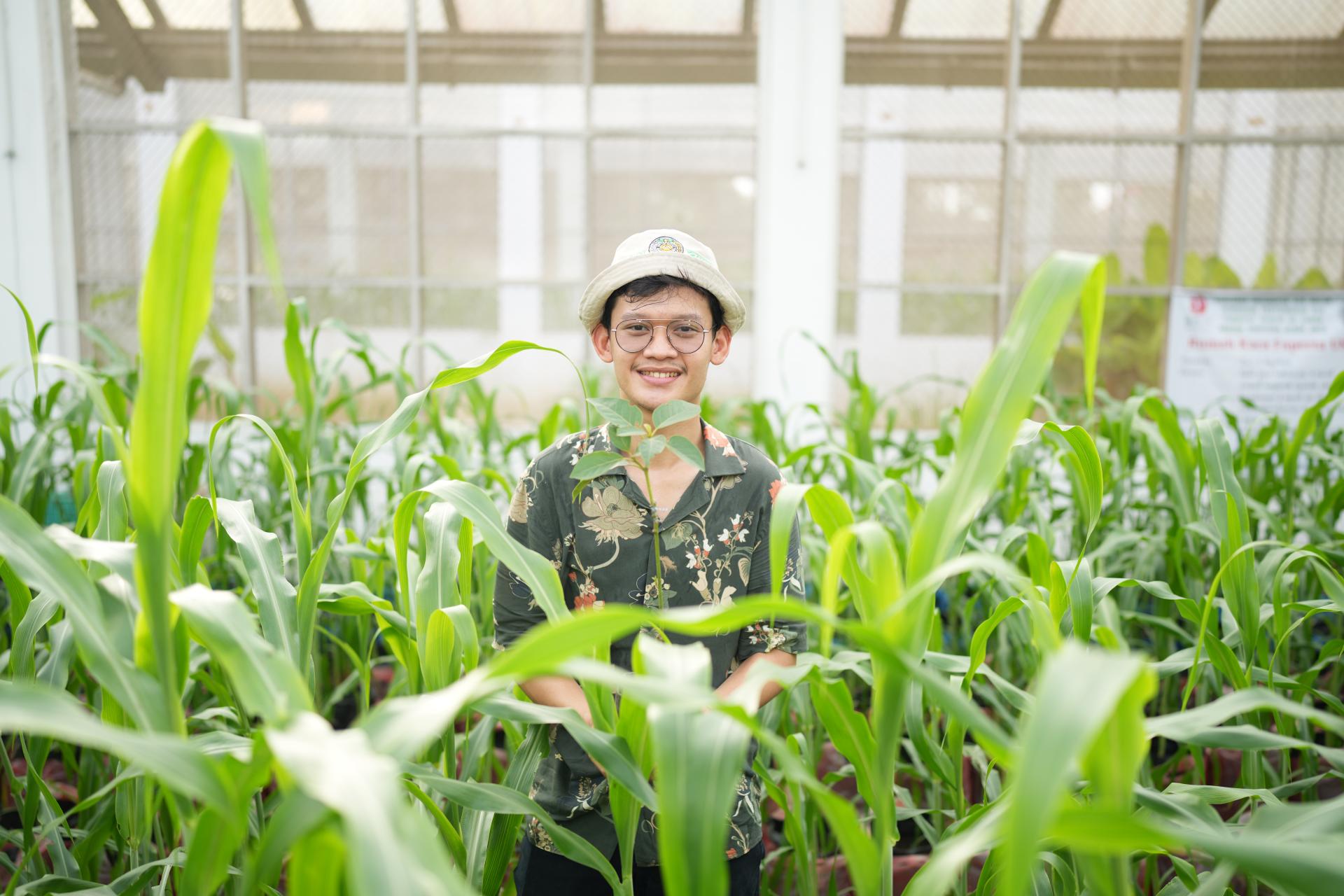
Beyond this strategic collaboration, USU supports local food producers and campus vendors who emphasise sustainability in food sourcing and cafeteria operations. In line with its Green Campus policies, the university encourages the use of locally produced ingredients, shorter supply chains, and ethical sourcing standards, while also targeting reductions in waste and greenhouse-gas emissions along the food supply chain. Efforts to lower the carbon footprint of food services include optimising deliveries, reducing single-use packaging, and encouraging responsible consumption patterns among students and staff. Together, these measures help nurture a campus culture where the environmental impact of food is taken seriously and sustainability is part of daily routine.
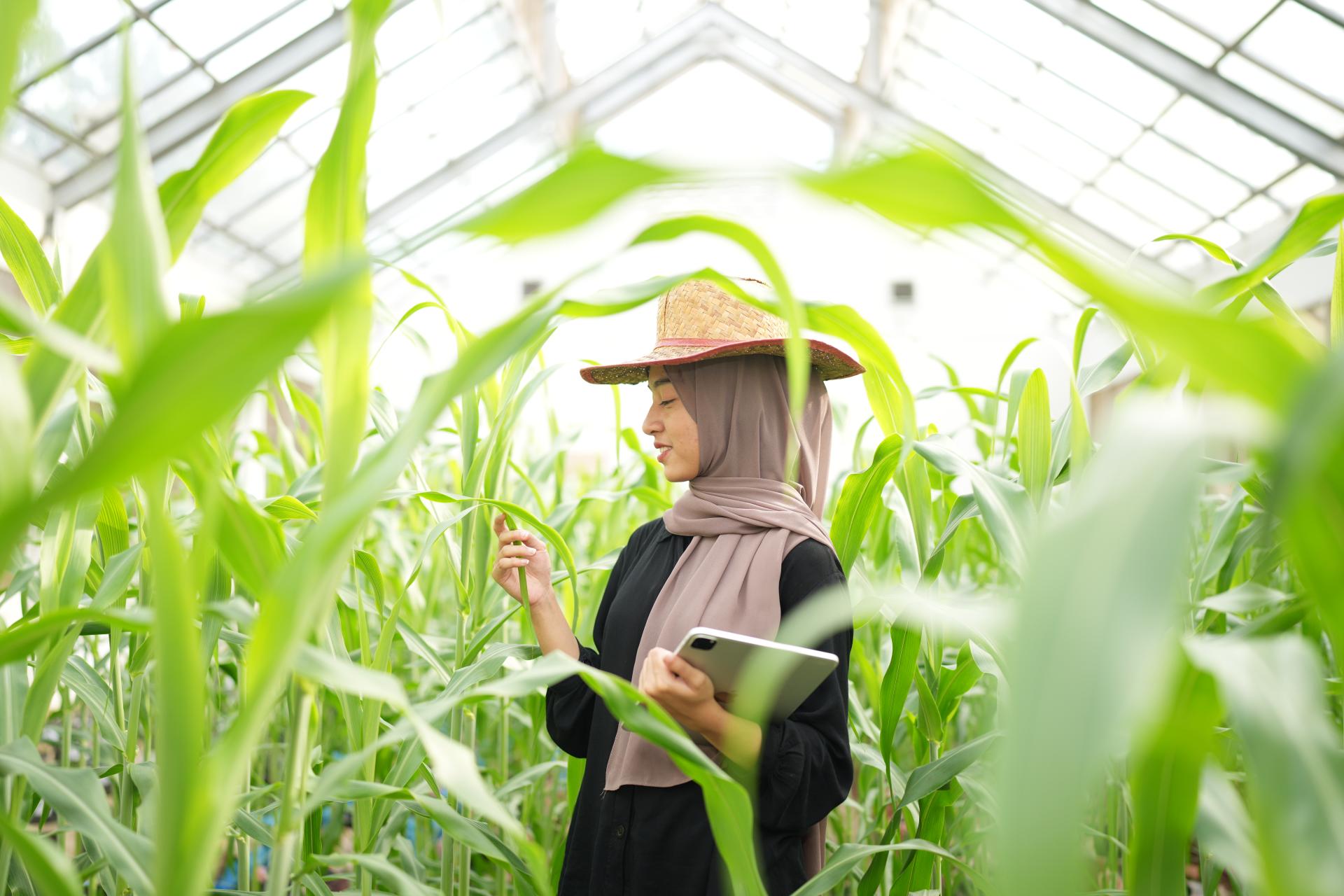
USU’s efforts extend into technology-driven agribusiness and farmer training, underscoring its role as both an academic and development partner. Modern agricultural technologies—ranging from precision-farming tools and digital monitoring systems to more efficient post-harvest handling—are integrated into teaching, research, and community service. The university also organises training in Good Agricultural Practices (GAP) for local farmers and food producers, helping them adopt more sustainable, efficient, and climate-aware farming methods. By combining technology adoption, capacity-building, and strategic partnerships with food producers, USU demonstrates a strong institutional commitment to sustainability in food systems that benefits both the campus and surrounding communities.
Although USU does not use a specific policy label such as “sustainably farmed food,” its collaborations, Green Campus regulations, and education programmes collectively function as a coherent framework for sustainable food sourcing. By partnering with PT Agro Sindo International, supporting local suppliers with sustainability priorities, promoting GAP-based training, and embedding environmental awareness into campus food operations, Universitas Sumatera Utara shows how a university can reshape food systems in line with global sustainability goals. In doing so, USU is not only improving quality of life on campus, but also contributing to the wider effort to protect land, forests, and biodiversity for future generations.