


Medan, Indonesia, 2024. Universitas Sumatera Utara (USU) is strengthening its leadership in sustainability by adopting a university wide policy to minimise the use of disposable items and single use plastics across campus. This commitment is part of USU’s broader Green Campus framework and is grounded in Rector’s Regulation No. 3 of 2019 on the Implementation of the Green Campus Movement and Rector’s Circular No. 1 of 2023 on Environmental Management and USU’s Commitment to Becoming a Green, Sustainable, and Carbon Neutral Campus by 2029. Together, these policies align institutional behaviour with Sustainable Development Goal 12: Responsible Consumption and Production and underpin USU’s Zero Waste Initiative, which aims to eliminate plastic waste from university operations by 2030.
Reducing the disposable culture
Under Rector’s Regulation No. 3/2019, USU has formally committed to reducing plastic and disposable item usage as part of sustainable campus management. The regulation:
- prohibits the use of single use plastics such as bottled water, plastic straws, and plastic bags in university catering, offices, and events
- encourages the use of reusable containers, including personal tumblers, bottles, food boxes, and tote bags
- supports the transition to compostable or recyclable materials where disposables cannot be avoided
In practice, this policy applies across the university, including campus vendors, canteens, laboratories, and student organisations. Vendors operating on campus are encouraged, and in some cases required, to use compostable or recyclable serving ware. Canteen operators are supported in adopting refill systems and container return schemes that reduce the flow of single use packaging.
From policy to practice
To ensure that the policy results in measurable change, the Green Campus Team and the Integrated Waste Management Unit (TPST) conduct regular waste audits. These audits track reductions in single use plastic and paper waste and provide data that guide further interventions.
In 2024, TPST records show that plastic bottles and cups accounted for approximately 40 percent of USU’s inorganic waste stream. Since the implementation of the disposable reduction policy, this proportion has begun to decline, demonstrating a tangible shift in campus consumption patterns.
Digital tools also play a key role. Platforms such as Satu USU, SEPTIA, and E‑Agenda have significantly reduced the need for printed documents and disposable stationery. These e‑systems support the “reduce” element of the 3R (Reduce, Reuse, Recycle) strategy by cutting paper use by an estimated 20 to 30 percent each year in administrative and academic services.
_11zon.webp)
Educating for lasting change
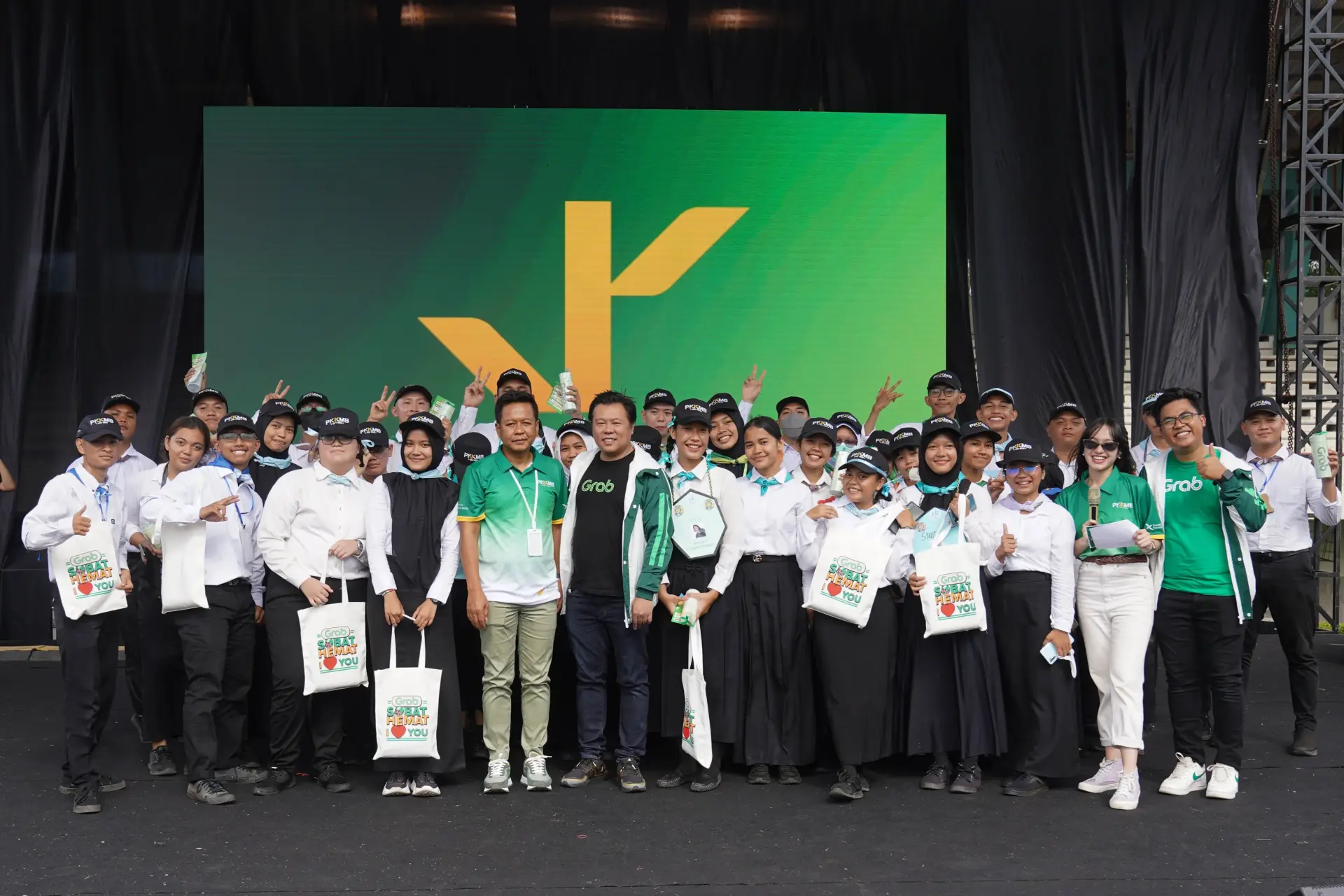
USU recognises that long term success depends on cultural change as much as on regulation. Awareness campaigns led by the Green Campus Team encourage students and staff to bring personal tumblers and reusable shopping bags, particularly during ceremonies, conferences, and student events.
The Zero Plastic.Wise student movement from the Faculty of Engineering combines research and action. Its members collect plastic waste and support its conversion into fuel through pyrolysis technology at the TPST, turning theory from the classroom into practical solutions for waste reduction.
At the same time, programmes such as the Compost Center and Eco Enzyme initiatives, supported by partners including Earthwise Consulting Japan and the Consulate General of Japan, demonstrate how organic waste can be transformed into useful products such as biofertilisers, cleaning agents, and natural disinfectants. These activities show how community engagement, research, and operations can work together to create a circular economy model where waste is treated as a resource.
Toward a zero waste campus by 2030
USU’s Zero Waste Initiative sets an ambitious goal: to eliminate plastic waste from all university operations and purchasing by 2030. This includes phasing out single use plastics, prioritising reusable and compostable options, and working closely with vendors to ensure that products and packaging meet sustainability standards.
These efforts are reinforced by Circular Letter No. 1/2023, which frames plastic reduction within a wider programme of environmental management and supports USU’s target of achieving carbon neutrality by 2029.
By combining clear policy, sustainable procurement, technological innovation, and active community participation, Universitas Sumatera Utara shows that responsible consumption is both a strategic priority and a daily practice. The university’s approach to reducing disposable items not only fulfils environmental obligations but also offers a model of moral and practical leadership for higher education institutions committed to building a more circular and sustainable future.