


Medan, 30 September 2024 – Universitas Sumatera Utara (USU) is taking concrete steps to reduce marine pollution from land-based sources through Green Campus policies, infrastructure improvements, and continuous education. By improving wastewater treatment, strengthening hazardous-waste controls, cutting plastic use, and advancing applied research, the university works to ensure that campus activities do not harm rivers, lakes, or coastal ecosystems.
Cutting pollution at the source: wastewater and hazardous materials
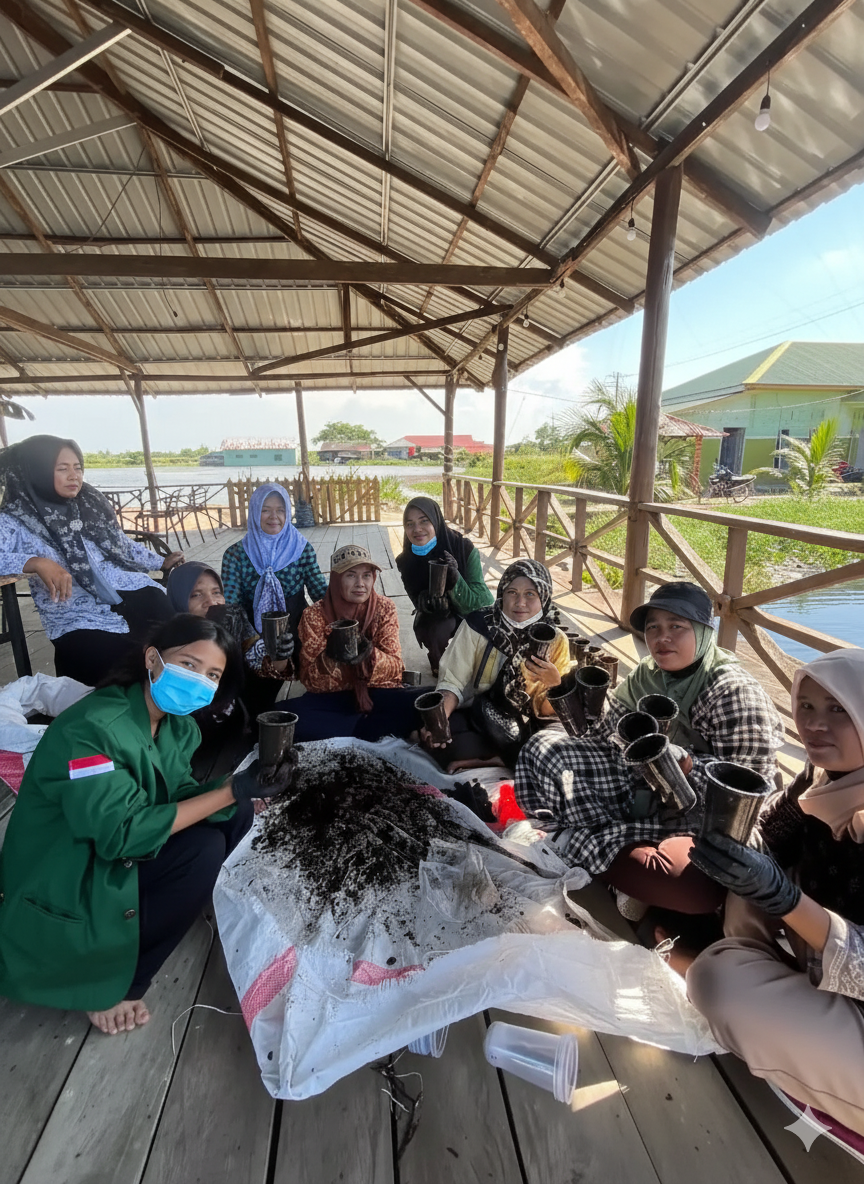
To prevent pollutants from entering rivers and coastal waters, USU has installed modern wastewater treatment systems at key facilities. These systems:
Treat domestic and greywater before discharge;
Reduce chemical and organic loads that might otherwise flow into drainage channels, rivers, and estuaries;
Support the safe reuse of treated water for non‑potable purposes such as cleaning and irrigation where appropriate.
In parallel, the university operates a comprehensive hazardous waste (B3) management system. Hazardous waste drop boxes and temporary storage points are placed in laboratories and specialised units to collect:
Chemical waste from teaching and research;
Contaminated materials, expired reagents, and other toxic substances.
All hazardous waste is managed according to strict procedures and then transferred to licensed third‑party handlers for treatment and final disposal. This system prevents toxic substances from being poured into sinks, drains, or mixed with general rubbish, reducing the risk of contamination of surface water and groundwater that ultimately connect to coastal ecosystems.
These measures follow national regulations on water quality management and pollution control and are implemented on campus through USU’s Green Campus Policy (Rector’s Regulation No. 3 of 2019) and supporting circulars, which make responsible water and waste management a formal obligation for all units.
Research-based innovations to reduce water and marine pollution
.png)
Beyond operational measures, USU also contributes to pollution prevention through applied research conducted by its lecturers and research teams. Several flagship projects focus on low-cost, locally available materials to improve water quality and reduce pollution risks that can affect rivers and seas, such as:
Studies on the effectiveness of blood cockle (Anadara granosa) shells to help mitigate water pollution and remove contaminants;
Research on using blood cockle shell waste to clarify water containing synthetic dyes, offering an alternative treatment method for coloured industrial effluents;
Innovation
Using palm shell powder as a solution for seawater purification, supporting cleaner seawater for coastal and industrial applications;
Development of HDPE–SBR composite pipes filled with palm oil boiler ash as a material for cold seawater pipes in Ocean Thermal Energy Conversion (OTEC) systems, which supports safer, more durable infrastructure for marine-based renewable energy.
These research projects show how USU’s academic community actively seeks practical, scalable solutions to reduce water pollution and support cleaner aquatic environments. The findings can be applied in industry, water treatment, and coastal engineering, helping to prevent pollutants from reaching rivers and seas in the first place.
Tackling plastic waste before it reaches rivers and seas
.png)
Plastic waste is one of the most visible forms of marine pollution, and USU addresses it through a strong campus-wide reduction programme. Under Rector’s Circular Letter No. 15129/UN5.1.R/KPM/2022, the university:
Targets the elimination of single‑use plastics such as plastic bottles, cups, straws, and bags in campus activities;
Encourages the use of reusable tumblers, refillable bottles, food containers, and eco‑bags by students, staff, and vendors;
Promotes 3R principles (Reduce, Reuse, Recycle) in daily academic and administrative routines.
To support these changes, USU has installed segregated waste bins and recycling points across the campus, making it easier to separate plastics, paper, organic waste, and residual waste. Better separation increases the chance that plastic is collected and recycled instead of leaking into drainage systems and waterways.
By combining plastic reduction, proper sorting, and safer disposal, the university helps to cut the flow of solid waste that could eventually reach rivers, estuaries, and coastal zones.
Education, campaigns, and student engagement
.png)
USU’s Green Campus and SDG’s Ambassador
USU backs its infrastructure and policies with active environmental education. Through initiatives such as Duta Green Campus (Green Campus Ambassadors) and other student-led programmes, the university:
Organises talks, workshops, and campaigns on plastic reduction, responsible consumption, and waste segregation;
Integrates environmental themes into student events and extracurricular activities;
Encourages organisers of seminars, conferences, and festivals to adopt low‑waste and plastic‑free guidelines.
These activities emphasise that marine pollution often starts far from the shoreline: from wastewater leaving a building, to chemicals disposed incorrectly, to plastic litter entering campus drains. By making this connection clear, USU helps students and staff understand how their daily choices can either contribute to or prevent pollution in rivers and seas.
An institutional model for preventing land-based marine pollution
.png)
Taken together, USU’s efforts offer a clear institutional response to the challenge of marine pollution from land-based activities:
Green Campus policies and rector’s circulars set campus-wide expectations;
Wastewater treatment and hazardous waste management reduce chemical and organic pollution at the source;
Applied research on shell waste, palm shell powder, and advanced pipe materials contributes new tools for cleaner water and more sustainable marine infrastructure;
Plastic reduction and 3R practices limit the amount of solid waste that can reach waterways;
Education and student engagement ensure that policies are understood and translated into everyday behaviour.
By focusing on upstream solutions and embedding them in policy, infrastructure, research, and campus culture, Universitas Sumatera Utara shows how a higher education institution can play a meaningful role in protecting rivers, coasts, and marine life, while continuing to fulfil its mission in teaching, research, and community service.