


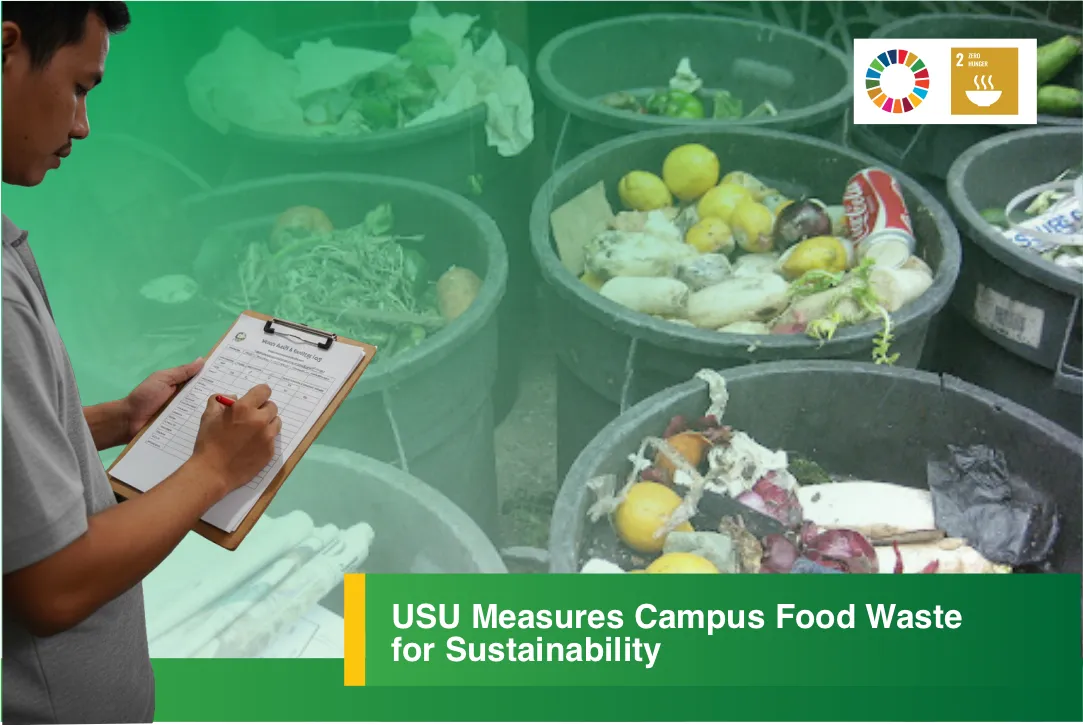
Medan, Indonesia — 2024, Universitas Sumatera Utara (USU) is strengthening its sustainable campus operations by systematically measuring and cutting food waste across all dining services. Through the Healthy Canteen Programme and Green Campus Initiative, USU uses a standardized waste‑measurement protocol across five main canteens and twelve faculty outlets, which together serve ~15,000 diners per day including students, staff, and visitors.
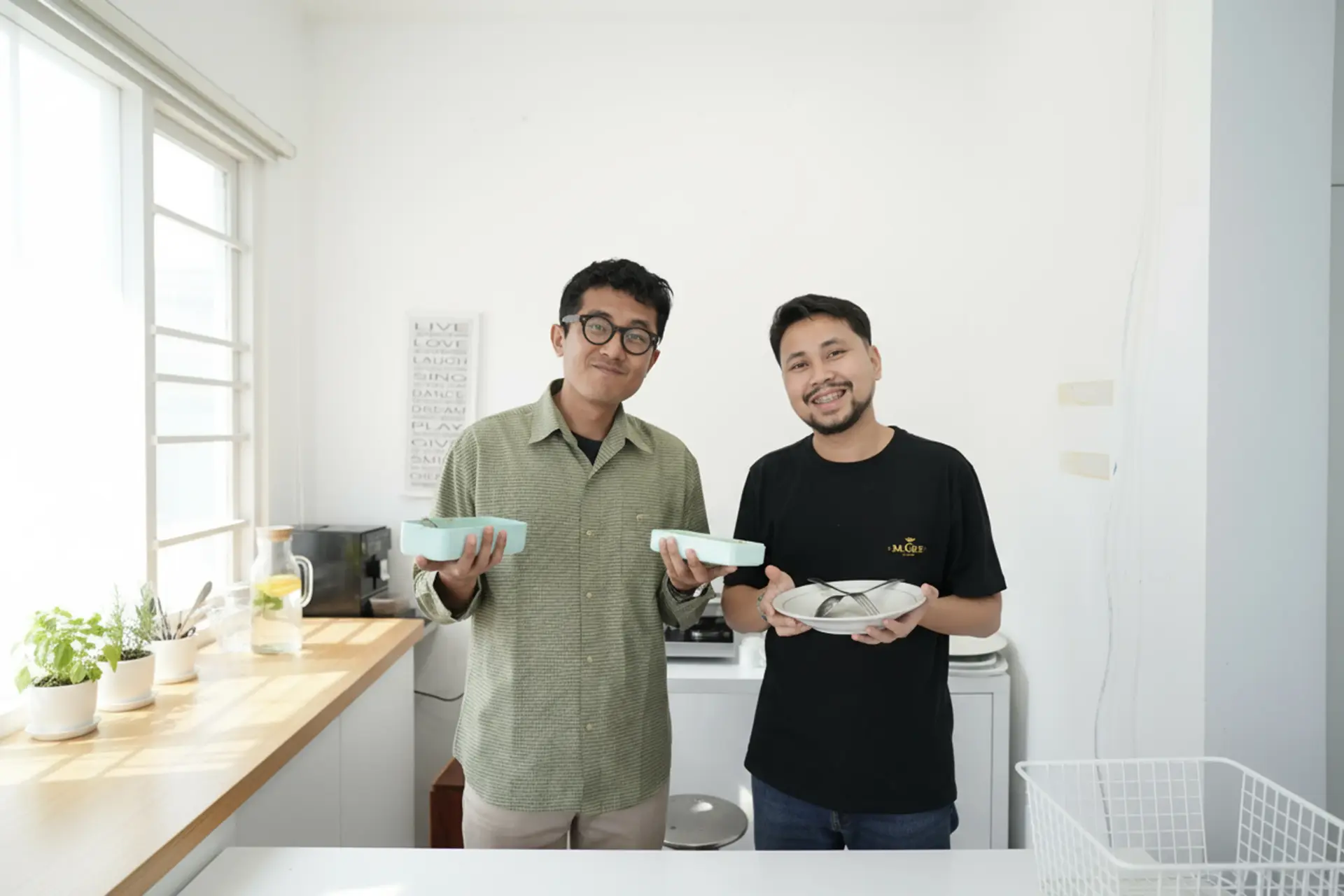
Data‑Driven Measurement and Monitoring
USU’s 2024 Sustainability Report recorded an average of 0.076 tons of organic food waste per day—around 27.7 tons per year. Waste quantities are tracked via weekly audits and monthly vendor reports, covering both university‑run and outsourced catering. In 2024, nine external vendors were contractually required to submit verified waste data to the Asset and Business Management Unit (BPAU) as part of sustainability compliance. Organic waste comprised about 83% of total waste; the remainder was packaging and non‑edible residues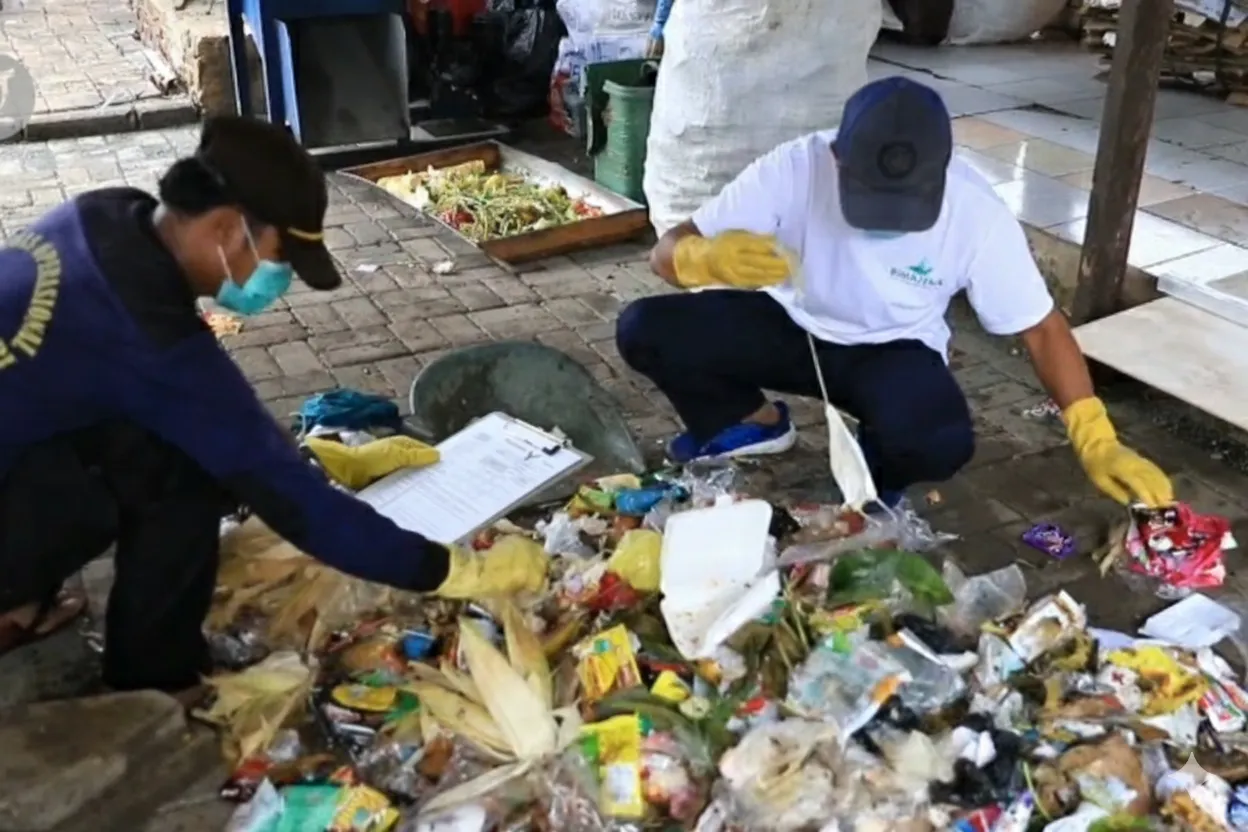
Closing the Loop: Circular Economy in Action
All organic waste from campus dining areas is processed at the Rumah Kompos (Compost House) managed by the Integrated Waste Management Unit. Approximately 0.07 tons per day of organic residue is converted into compost and livestock feed, yielding ~1.8 tons of compost per month. The compost supports campus landscaping and is distributed to community farming partners in Medan and Deli Serdang, advancing USU’s zero‑waste, circular‑economy model.
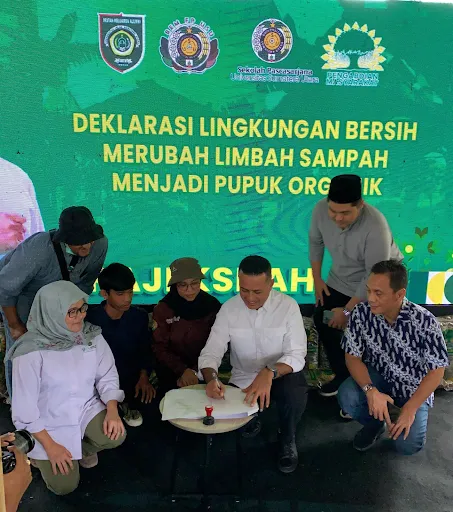
Community Engagement and Behavior Change
Food‑waste awareness is now embedded in student life. Initiatives such as the Clean Plate Movement, Waste‑Free Wednesday, and the student‑led Akasta Pangan food‑bank campaign engaged over 3,000 participants in 2024, contributing to a 12% reduction in total food waste compared with 2023.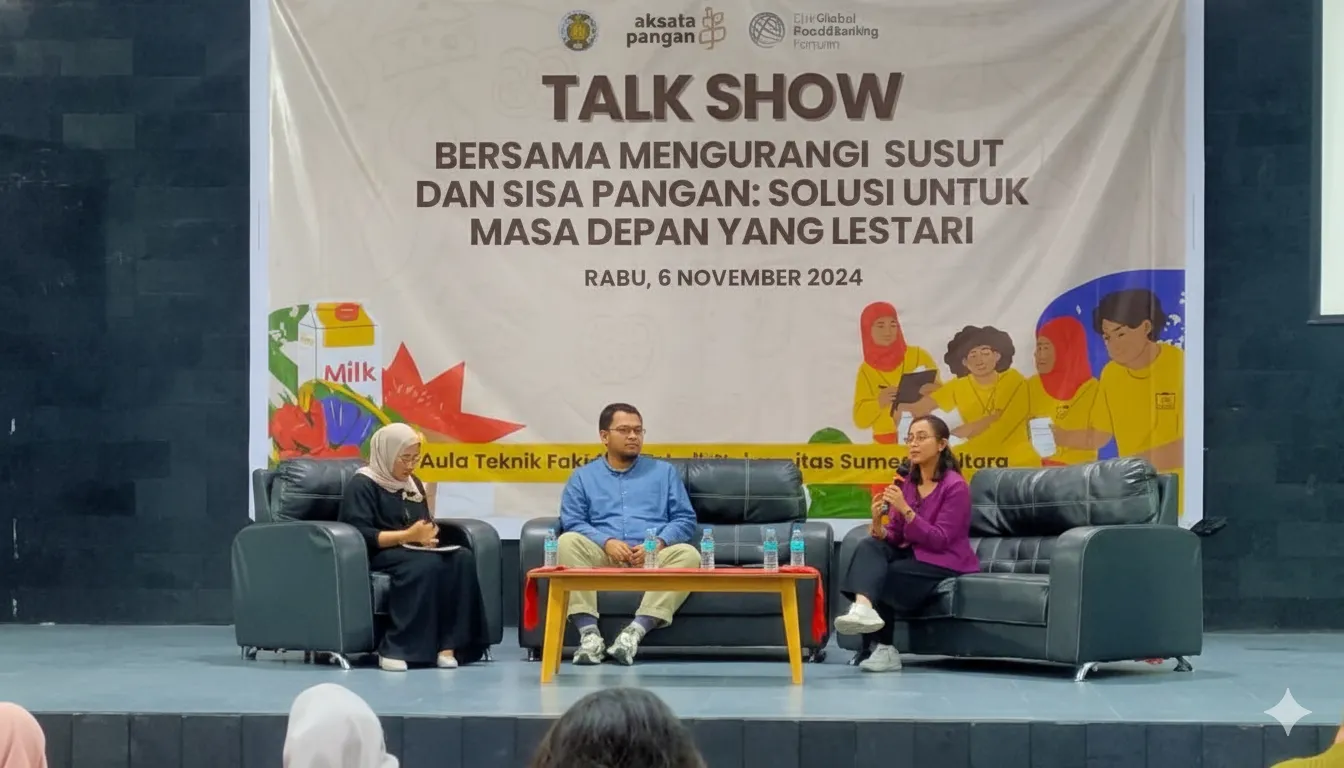
Aligned with Global Goals and Institutional Policy
According to Rector Prof. Dr. Muryanto Amin, “Universitas Sumatera Utara’s commitment to measuring and reducing food waste reflects our broader mission to build a sustainable, data‑driven university that promotes responsible consumption and supports the community.” These efforts directly support SDG 2 (Zero Hunger) and SDG 12 (Responsible Consumption and Production), and are anchored in Rector’s Regulation No. 3/2019 on Green Campus Implementation and Circular Letter No. 1/2023 on Sustainability Practices.
Through evidence‑based monitoring, vendor accountability, and circular resource management, USU demonstrates how higher education institutions can embed food‑waste tracking and reduction into daily operations—turning sustainability policy into measurable impact.