


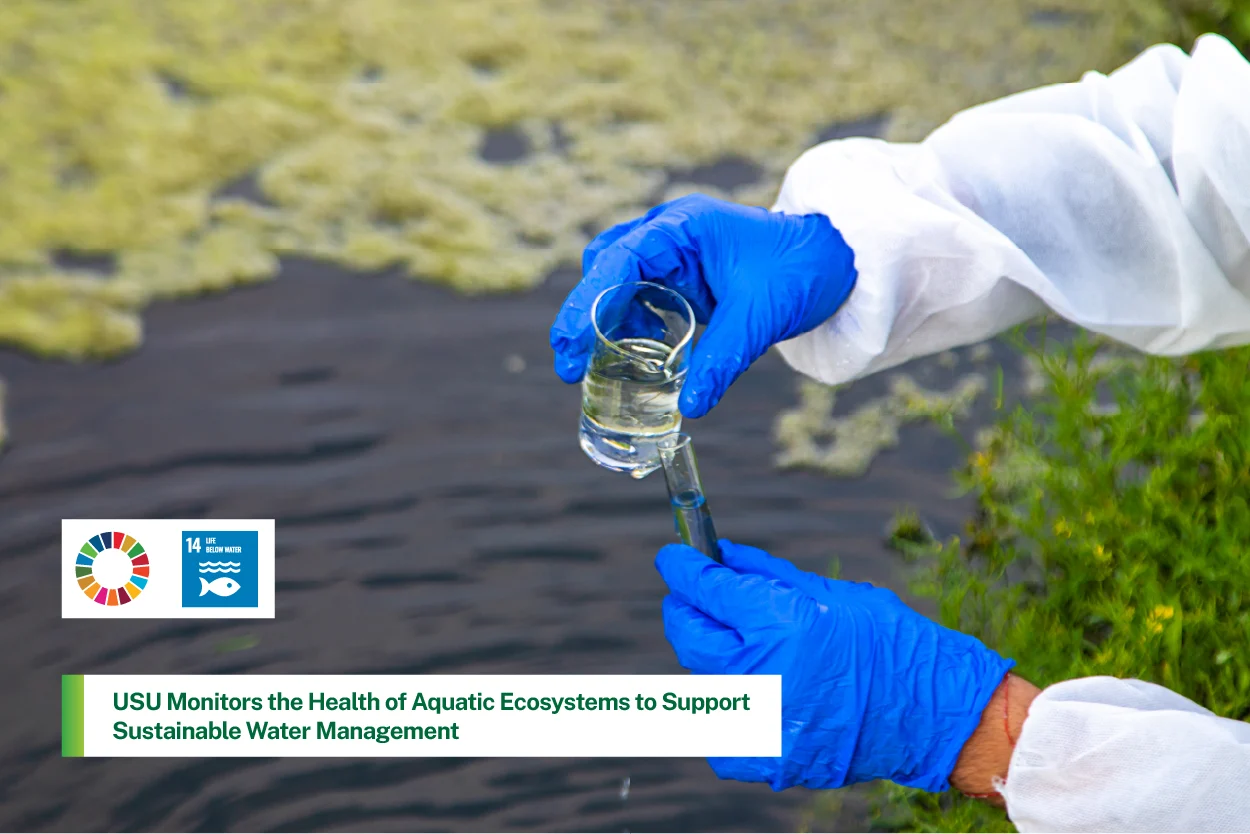
Medan, (1 June 2024) – Universitas Sumatera Utara (USU), through its Directorate of Innovation and Research, is strengthening science-based environmental management by closely monitoring the health of rivers, lakes, wetlands, and ponds.
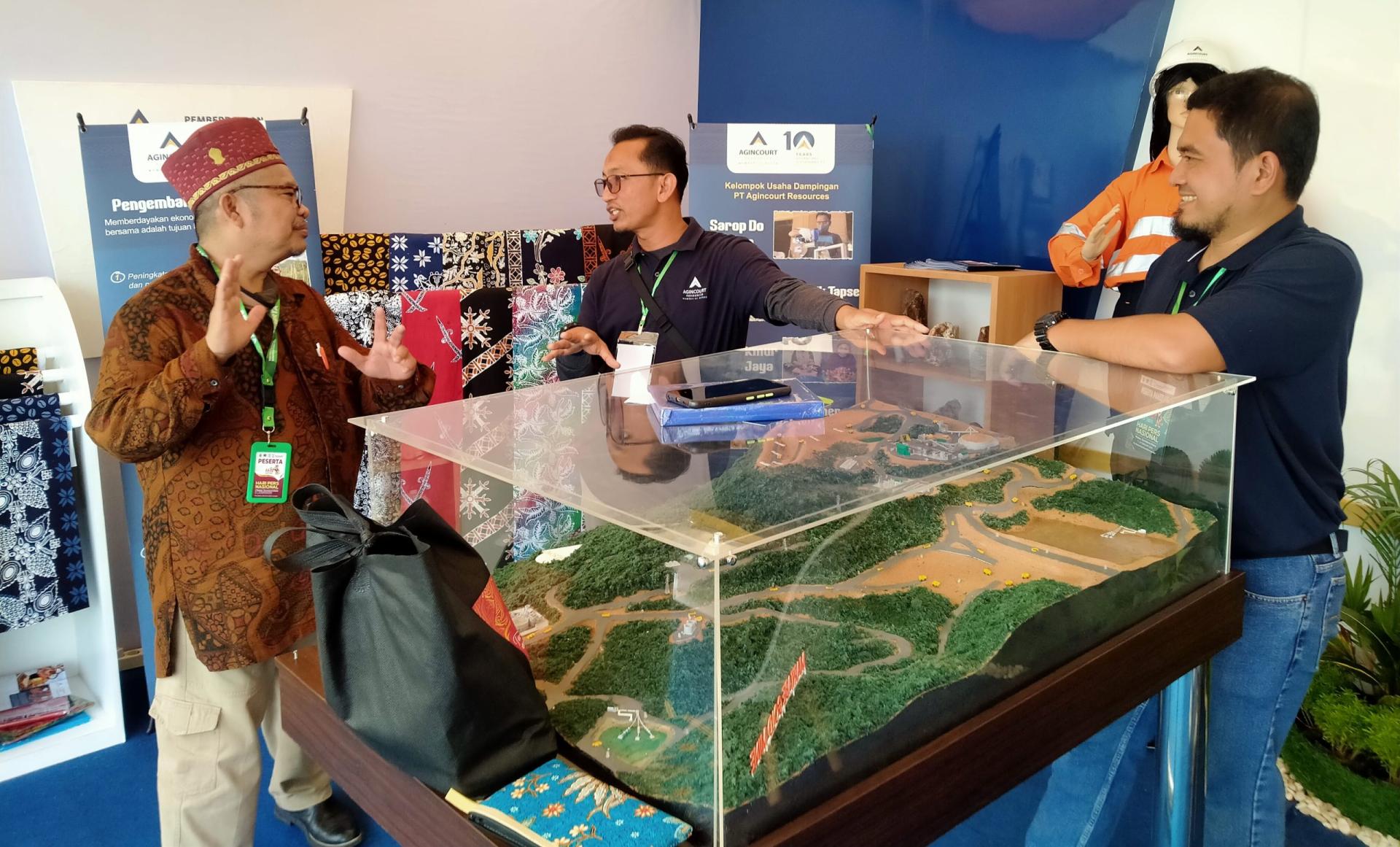
USU and Agincourt collaborate to monitor aquatic ecosystem health in support of sustainable water management.
According to the 2024 Directorate of Innovation and Research Report, USU has partnered with PT Agincourt Resources to carry out a formal scientific project titled “Layanan Kajian Lanjutan Dasar Biologi Perairan” (Advanced Aquatic Biological Baseline Study) under Contract No. M-0314-23, dated 31 May 2023. This collaboration shows how the university and industry can work together to safeguard sensitive freshwater ecosystems.
Building scientific baselines for better ecosystem management
The study is carried out by interdisciplinary research teams from USU and focuses on assessing biological and ecological conditions in a range of aquatic environments, including rivers, wetlands, and monitoring ponds.
.png)
USU and Agincourt collaborate to monitor aquatic ecosystem health through water sampling in the Batangtoru River, supporting sustainable water management.
Researchers conduct systematic field surveys that include:
sampling water at multiple points along rivers, ponds, and associated wetlands;
measuring water-quality parameters such as pH, temperature, dissolved oxygen, and Biochemical Oxygen Demand (BOD₅);
analysing biological communities, including fish, plankton, and benthic organisms, to map biodiversity and indicator species;
identifying potential environmental stressors such as changes in land use, industrial activity, or altered water flows.
These data are used to establish ecological baselines – a reference picture of what healthy conditions should look like in each monitored location. With this baseline, USU and its partners can detect changes early and understand whether trends indicate natural variation or emerging pollution and degradation.
Science to guide sustainable industry and conservation
The collaboration with PT Agincourt Resources is designed to ensure that industrial activities near freshwater systems are guided by scientific evidence. The baseline study helps:
identify sensitive species and habitats that require special protection;
highlight areas where water quality or biodiversity is under pressure;
provide recommendations on mitigation measures and monitoring routines for companies operating close to rivers, streams, ponds, and wetlands.
.png)
USU and Agincourt collaborate to monitor freshwater quality through sampling activities in the Batangtoru River (source : ANTARA News)
The results of the study feed into conservation planning and corporate environmental management plans, allowing both government and industry to design safeguards that are grounded in real field data. In practical terms, this means that decisions about water use, waste management, and land management can be made with a clearer understanding of how they will affect aquatic life and ecosystem stability.
Integrating research into teaching and community engagement
USU’s work on aquatic ecosystem monitoring does not stop at technical reporting. The Faculties of Forestry and Agriculture, along with other relevant departments, integrate these monitoring activities into:
student field practicums, where students learn directly how to measure pH, dissolved oxygen, BOD₅, and other indicators in ponds and rivers;
coursework on aquatic ecology, watershed management, and environmental impact assessment.
community service programmes that share basic water-quality monitoring techniques with local communities and stakeholders.
.png)
USU students monitor aquatic ecosystem health by analyzing water quality in the laboratory as part of their learning on sustainable water management.
Through these activities, students gain hands-on experience in sampling, data analysis, and interpretation, preparing them to become professionals capable of managing Indonesia’s water resources in a responsible and informed way.
By combining academic expertise, industry collaboration, and field-based monitoring, Universitas Sumatera Utara demonstrates a proactive approach to protecting aquatic ecosystems. Continuous monitoring of ponds, rivers, and wetlands – including key parameters such as pH, dissolved oxygen, and BOD₅ – ensures that environmental changes can be detected early and managed carefully.
Through these efforts, USU reinforces its role as a national leader in sustainable water management and freshwater ecosystem conservation, ensuring that scientific research translates into real benefits for the environment and the communities that depend on it.