


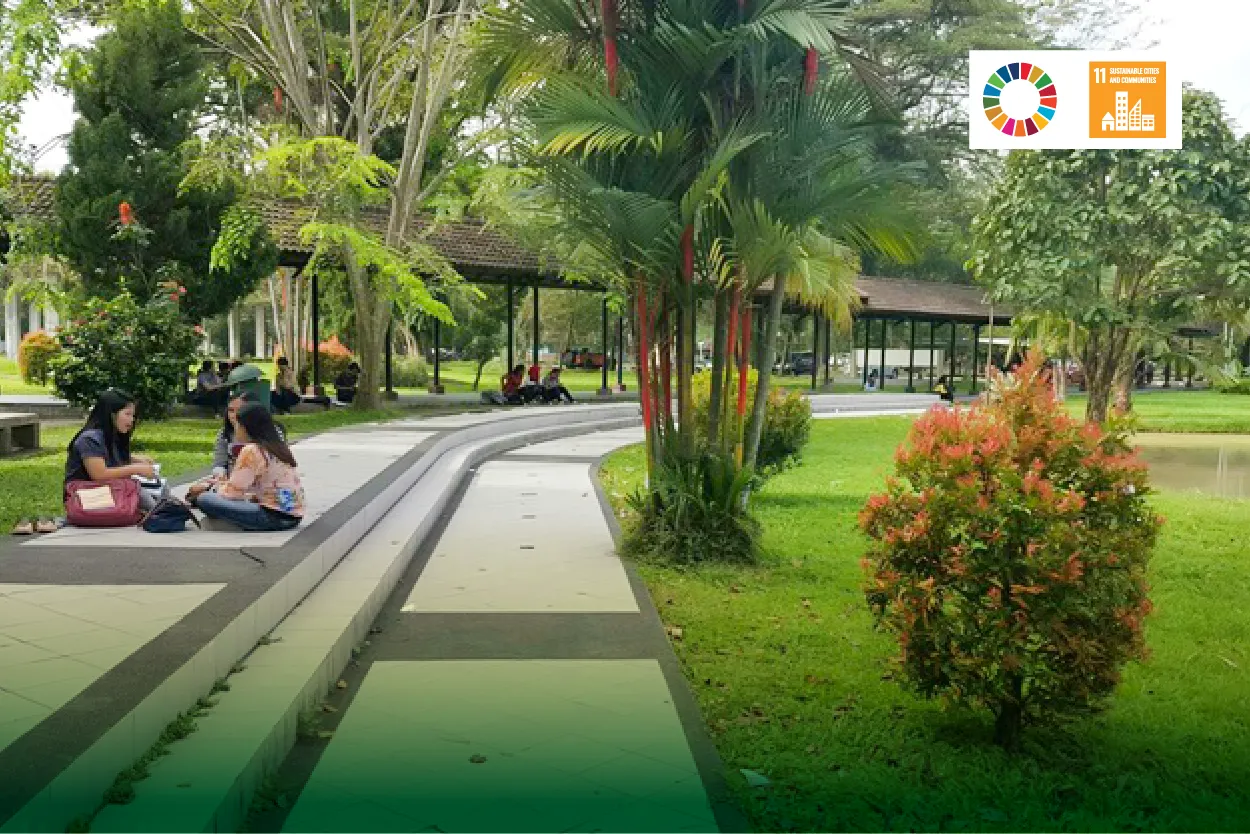
Medan, September 25, 2024 — Universitas Sumatera Utara (USU) is continuing to strengthen its dedication to environmental sustainability by providing free and open public access to its expansive green spaces, spanning the main campus in Medan and satellite locations. This crucial initiative forms a vital part of the institution’s broader commitment to environmental stewardship, social inclusion, and enhancing urban resilience.
A Cornerstone of Environmental Stewardship
The university’s vast green infrastructure serves essential ecological functions for the city, including critical water retention, flood mitigation, and biodiversity conservation. Areas such as the Tambunan A Experimental Garden not only function as hubs for academic research but also as valuable open spaces for the community to engage with nature and conservation efforts.
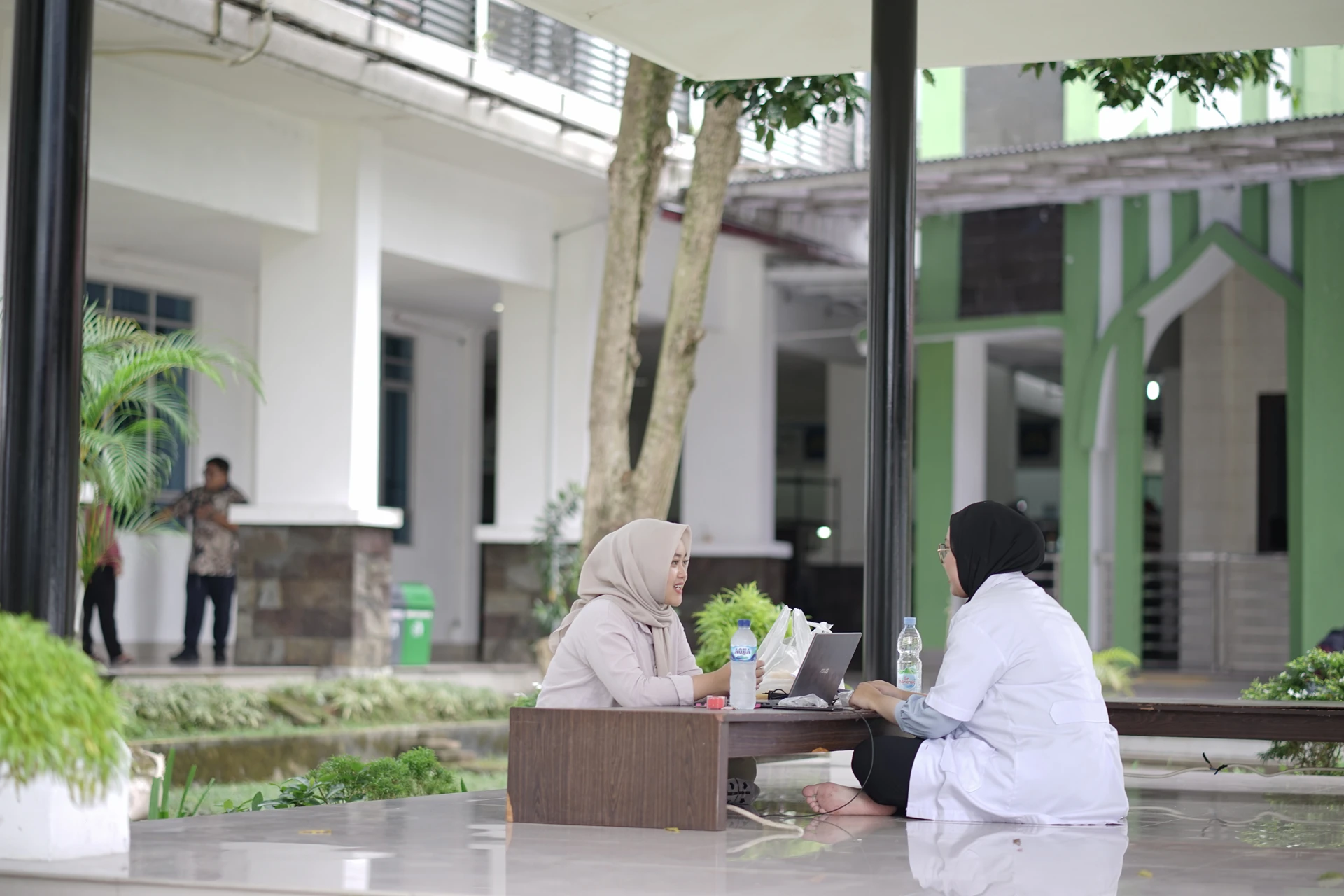
These accessible spaces—which include mature tree-lined areas, vital water-absorption zones, and shaded pedestrian paths—are intentionally designed for recreational activities, educational programs, and public events. The policy of open access reflects the university's holistic philosophy that knowledge and natural resources must be shared with the broader public for collective benefit.
Enhancing Urban Health and Community Engagement
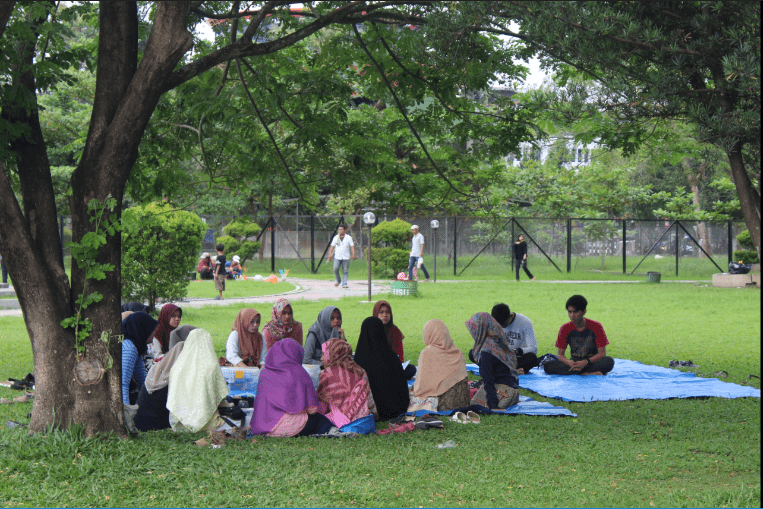
The green spaces managed by the university are widely recognized as a "green lung" for Medan, helping to mitigate the urban heat island effect and contributing substantially to the city's overall ecological health. As part of the institution's urban sustainability efforts, these areas are consistently maintained to be functional and inviting, featuring well-designed walking paths, seating areas, and shaded spots that actively encourage local residents to visit, exercise, and socialize. By offering these natural assets freely, the University of Sumatra Utara plays a critical role in enhancing the quality of life for those living in and around the campus vicinity.
Professor Muryanto Amin, Rector of the University of Sumatra Utara, emphasized the initiative: “Our green spaces are a direct reflection of our dedication to environmental care and community well-being. By maintaining open access, we warmly invite the people of Medan to enjoy and learn from our campus, contributing collaboratively to a more sustainable and connected city for everyone.”
.png)
Future Plans for Deeper Interaction
Looking ahead, the university plans to deepen its public engagement activities. Future developments include the installation of interpretive signage to highlight the ecological importance of specific areas, alongside structured programs designed to enhance the community's interaction with these green assets. Through robust partnerships with local organizations, the university aims to foster a stronger sense of environmental responsibility and ownership among the residents of Medan.
These initiatives confirm the University of Sumatra Utara’s role as a leading force for positive environmental change and responsible urban development in the region.