


.webp)
Medan, (July 24, 2025) — Universitas Sumatera Utara (USU) is strengthening its position at the frontline of Indonesia’s clean‑energy transition by pairing ambitious campus targets with deep public engagement. The university actively promotes a public pledge toward 100% renewable energy, inviting students, staff, and communities to see the energy transition as a shared responsibility rather than a purely technical shift.
USU has formally committed to achieving carbon neutrality by 2029, with a clear focus on transitioning from fossil fuels to renewable energy sources. This commitment is laid out in the Green Campus Policy (Rector’s Regulation No. 3/2019) and Rector’s Circular Letter No. 1 of 2023 on Environmental Management and Carbon Neutrality, which mandate reductions in the campus carbon footprint and a steady increase in the share of renewables in the university’s energy mix. Under this framework, renewable energy is treated as both an operational priority and a public mission.
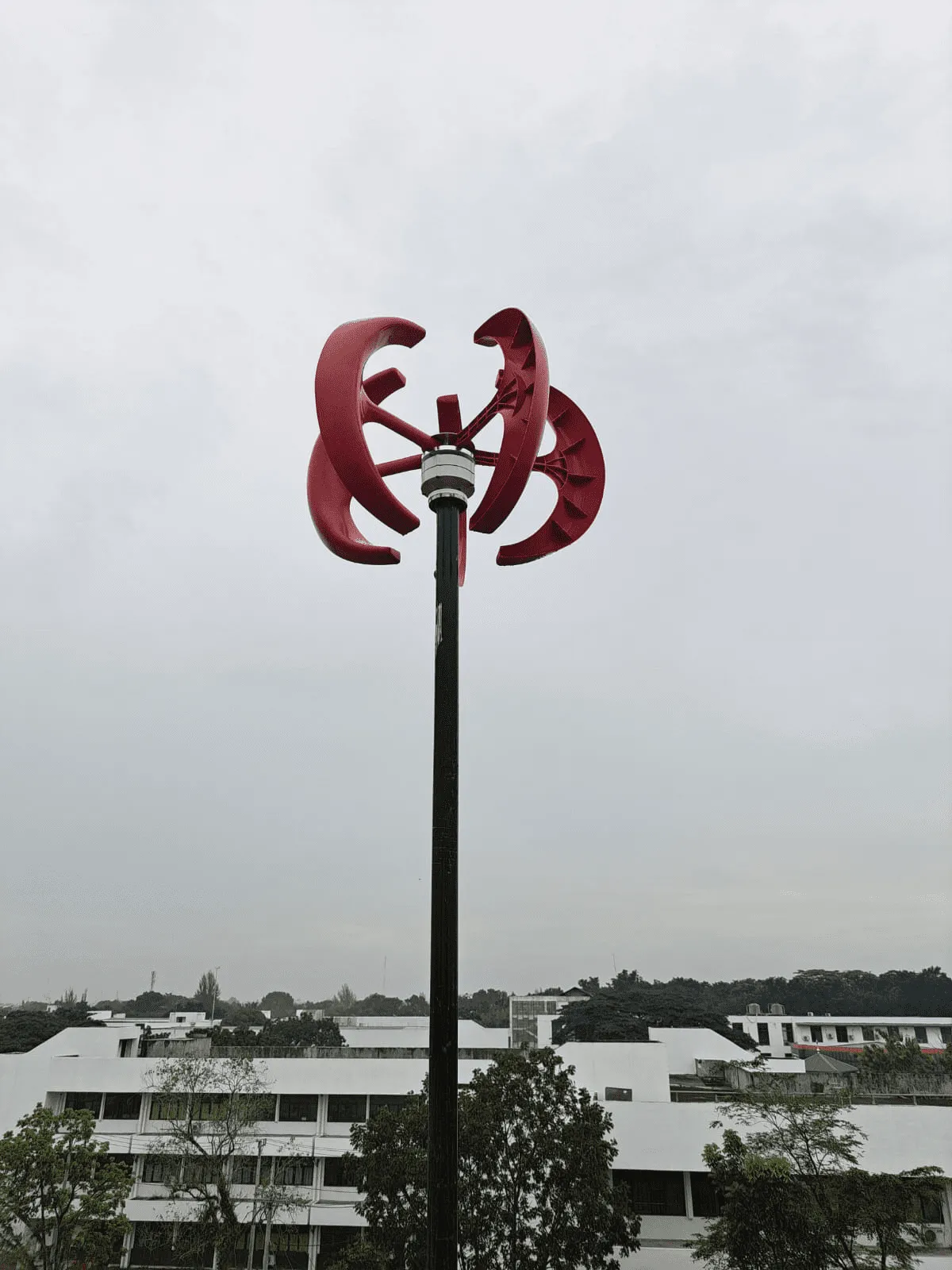
On campus, USU continues to expand its renewable‑energy infrastructure. By 2024, the university had installed 21 kWp of rooftop solar panels at the Main Administration Building, 3 kWp at the Mechanical Engineering Laboratory, and solar‑powered lighting along Universitas Street and in student pavilions. These systems are complemented by 800 W wind turbines, 586 W micro‑hydro units, and 500 W biomass‑pyrolysis systems that convert organic waste into clean fuel. Together, they generate around 14,873.76 kWh of renewable electricity annually, supplying roughly 1.85% of total campus electricity use. Performance is monitored in real time using GIS‑based mapping and Hoboware solar‑radiation software, which feed into USU’s 2025–2029 Renewable Energy Master Plan and support evidence‑based expansion.
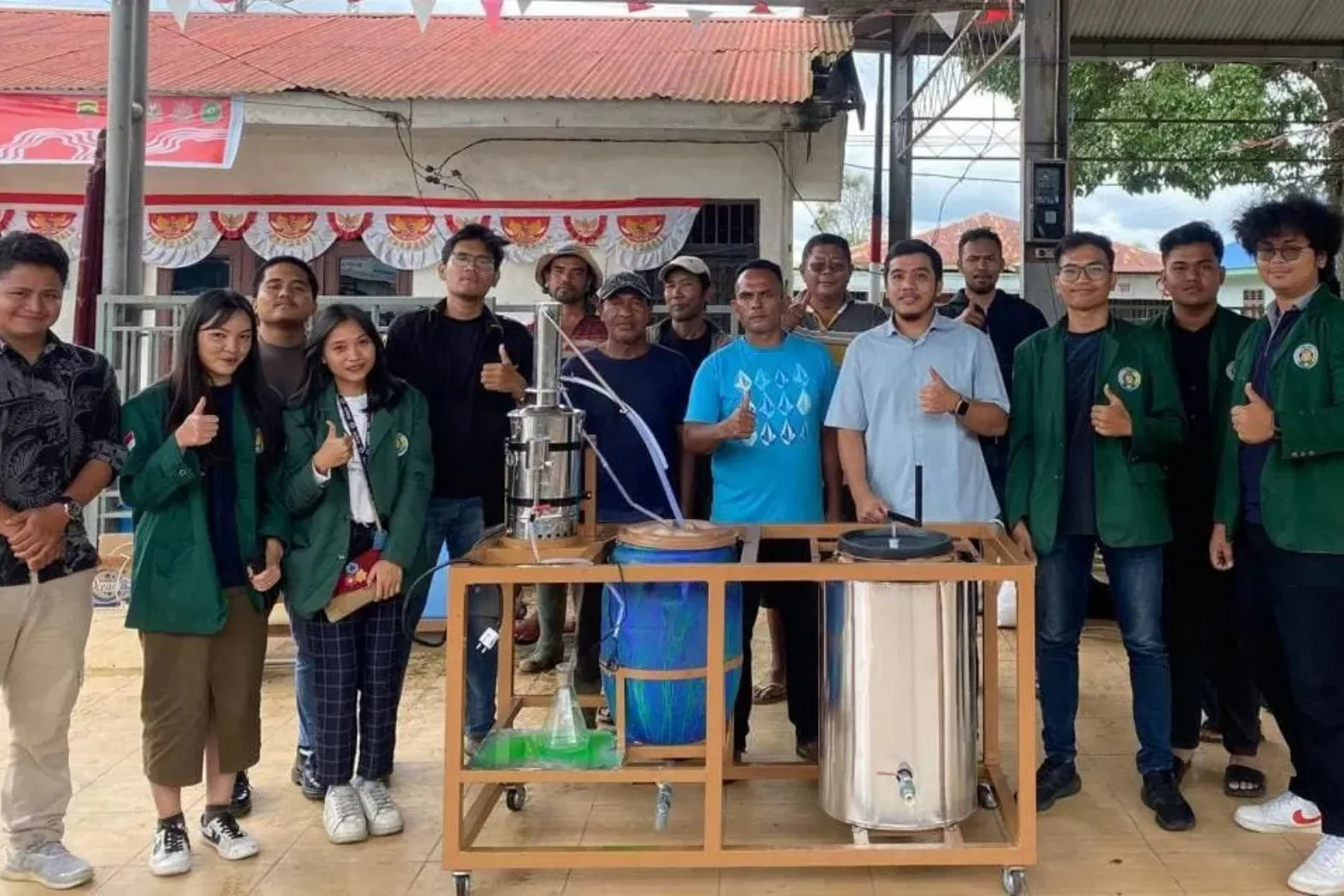
USU’s most powerful contribution to the energy transition lies in education and community engagement. Through a “living laboratory” model, the campus itself becomes a site of experiential learning where students and researchers co‑develop innovations—from solar‑powered vehicle charging to biofuels derived from agricultural waste. The Faculty of Engineering’s E‑Bio Project, for example, converts vegetable waste into liquid biofuel using distillation technology, illustrating circular‑economy principles for households and small enterprises. Other teams have developed pico‑hydro systems that supply electricity to remote farming areas, improving rural productivity and strengthening energy access beyond the grid.
Beyond the campus, USU organises public lectures, seminars, and training programmes to raise awareness about renewable energy and encourage its adoption in local communities. These activities are coordinated by the USU SDGs Center and academic units, and are delivered in villages, schools, and government forums. They cover basic concepts of solar, hydro, and bioenergy; practical tips for household energy efficiency; and the economic and environmental benefits of clean energy.
.webp)
Student organisations play a central role in amplifying this outreach. The Society of Renewable Energy (SRE) USU conducts dedicated initiatives—such as seminars, workshops, and youth discussion forums—to engage the broader public, especially young people, in the energy transition. Through these programmes, SRE USU helps demystify renewable technologies and builds a constituency that understands why the shift away from fossil fuels matters for livelihoods, health, and climate.
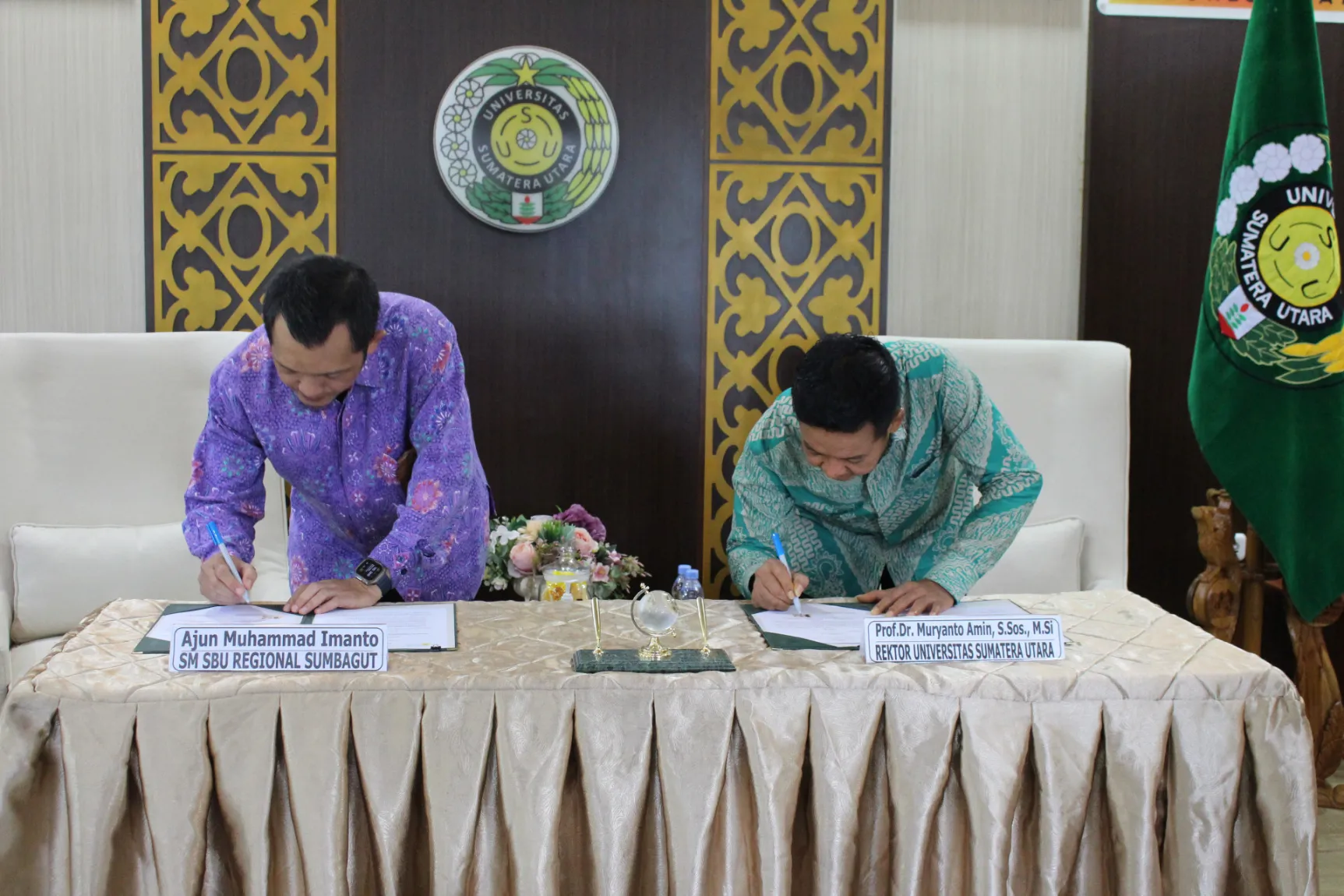
USU also strengthens its renewable‑energy advocacy through strategic partnerships. The university has signed a Memorandum of Understanding with PLN Icon Plus, a subsidiary of Indonesia’s state electricity company, to carry out joint campaigns promoting green‑energy solutions. This collaboration supports public‑facing activities on topics such as rooftop solar, smart grids, and energy‑efficient practices, and gives students direct exposure to the realities of transforming national and regional energy systems.
.webp)
Public commitment is further cultivated through campus‑based outreach events such as the Eco Enzyme Festival, Green Energy Awareness Week, and the 1000 Eco‑Bricks Campaign, which invite students, staff, and community members to participate in emission‑reduction and clean‑technology initiatives. These events translate abstract ideas—like “decarbonisation” and “net zero”—into visible actions: making eco‑enzymes from organic waste, turning plastic into eco‑bricks, or seeing how solar lamps and streetlights change safety and visibility at night.
All of these efforts are grounded in a data‑driven understanding of USU’s footprint and potential. The university records total annual electricity consumption of 803,081 kWh and a per‑capita carbon footprint of 0.0156 tons of CO₂, providing a baseline from which to track the impact of efficiency measures and renewable‑energy expansion. Scaling rooftop solar, increasing biofuel production, and gradually converting campus transport to electric vehicles are key elements in the university’s plan to reach 100% renewable energy supply by 2029, in alignment with Indonesia’s national target of a 23% renewable energy mix by 2030.
Through this integrated strategy—combining on‑site renewables, green finance, education, student leadership, and partnerships—Universitas Sumatera Utara shows that the path to net‑zero emissions is as much about public commitment and culture change as it is about technology. In doing so, USU stands as both a proving ground and a beacon for Indonesia’s clean‑energy future, where the promise of renewable power becomes a shared mission for students, citizens, and generations to come.
.webp)