


Medan, (April 01, 2024) - Universitas Sumatera Utara (USU) is advancing a student‑success agenda that pairs capacity building with community engagement so learners—especially from low‑income families—can persist, graduate on time, and transition to decent work. The program architecture links internships, service learning, innovation‑driven research, start‑up incubation, targeted academic supports, and language upskilling into a single pathway from access to completion.

USU’s work‑integrated and community‑based learning spans structured internships (Magang) with government, industry, hospitals, laboratories, and NGOs mapped to learning outcomes to build professional skills and networks; and Community Service (KKN/Pengabdian), where multidisciplinary teams co‑design solutions with villages and urban communities in areas such as micro‑enterprise, public health, digital literacy, waste and water management, and climate resilience. Innovation and entrepreneurship are anchored by P2MW, Kewirausahaan Merdeka, TALENTA/DRTPM grants, and the USU Pitching Competition, allowing students to prototype, validate markets, and learn intellectual‑property and commercialization pathways. Start‑up incubation is delivered through BIC USU’s 6–12‑month tracks that provide co‑working facilities, laboratories, small‑scale production tools, mentorship, seed micro‑grants, and investor‑day exposure.
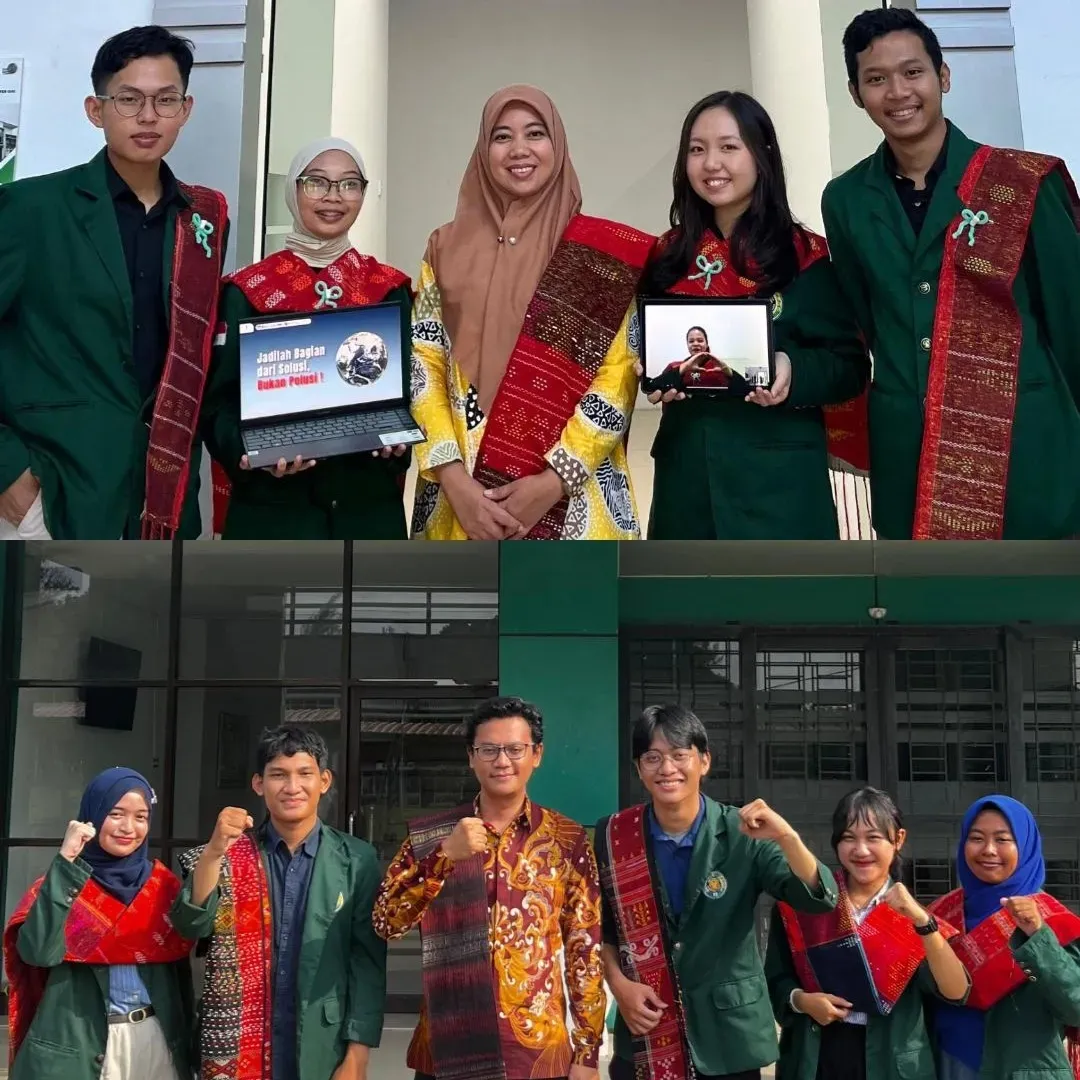
To convert access into completion, USU layers academic monitoring and mentoring through early‑alert systems, study‑skills clinics, and counselling coordinated by Ditmawa and Ditmawalumni, alongside thesis and research workshops—methodology refreshers, writing studios, and data‑analysis helpdesks—that accelerate proposal approvals and defenses. English Language Courses and Short Semester offerings provide Academic English and IELTS–TOEFL preparation and intensive modules to help students recover credits or fast‑track graduation.
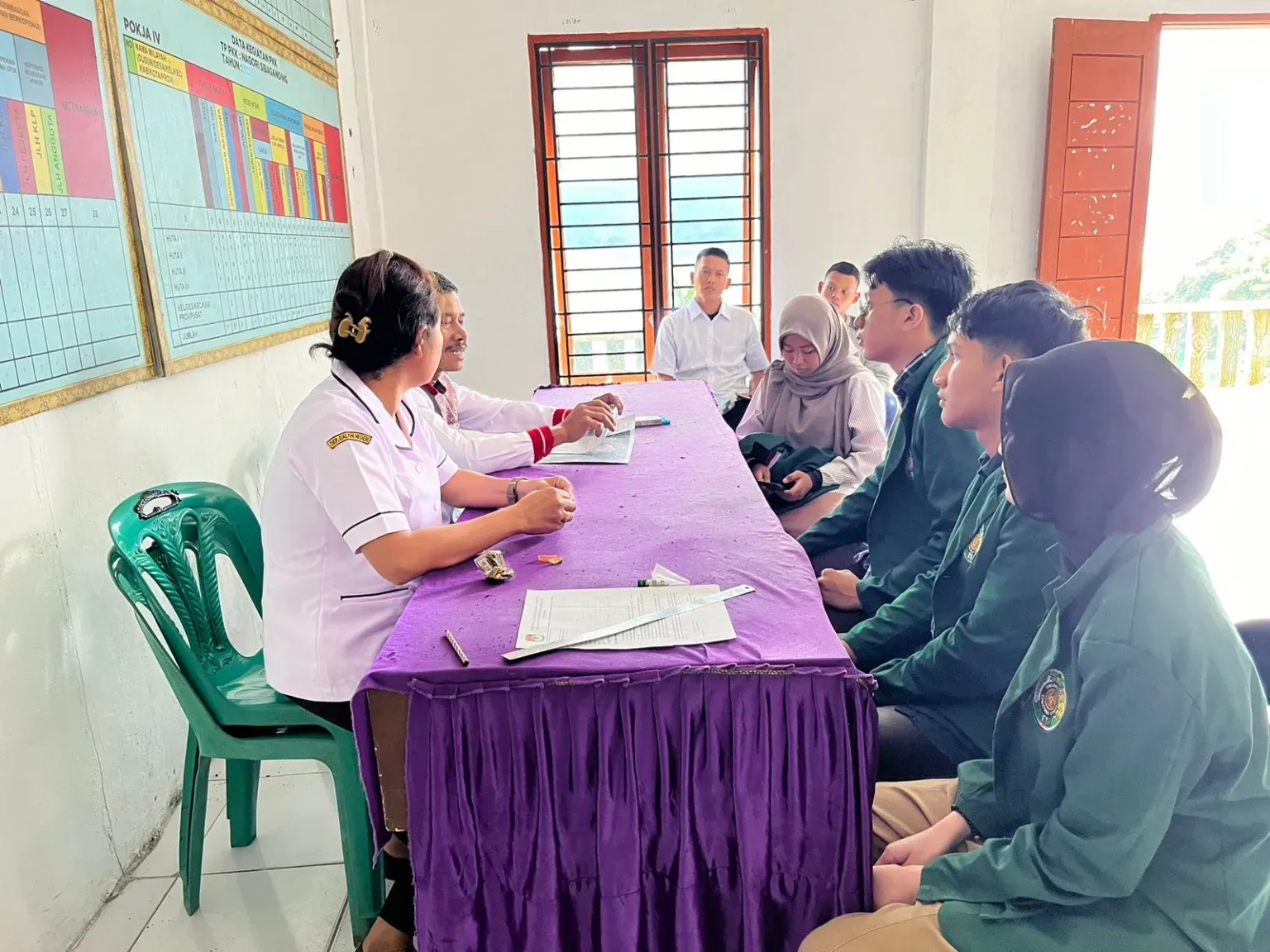
Equity is built into the model through financial‑aid scaffolding that enables full participation by low‑income students. In 2024, 6,636 students—approximately 16 percent of enrolment—received KIP Kuliah Merdeka (tuition plus a living allowance for up to eight semesters), complemented by BBM, Baznas, and partner scholarships. According to university data, more than 85 percent of KIP recipients graduated on time with an average GPA of 3.40, indicating that targeted aid combined with structured academic supports helps translate access into completion.
Evidence of impact in 2024 includes 137 student‑led start‑ups and 40 community enterprises supported, with more than 1,200 participants from 15 faculties trained through bootcamps and clinics. USU mobilized Rp 1.7 billion with Bank Indonesia, BRIN, PT Inalum, and the Ministry of Cooperatives & SMEs to expand student ventures and community projects. Twelve Desa Binaan each received Rp 100 million to scale agro‑tourism, food processing, eco‑products, and sustainable farming. Incubator proposals grew by 20 percent year‑on‑year, with strong momentum in green‑economy and digital solutions.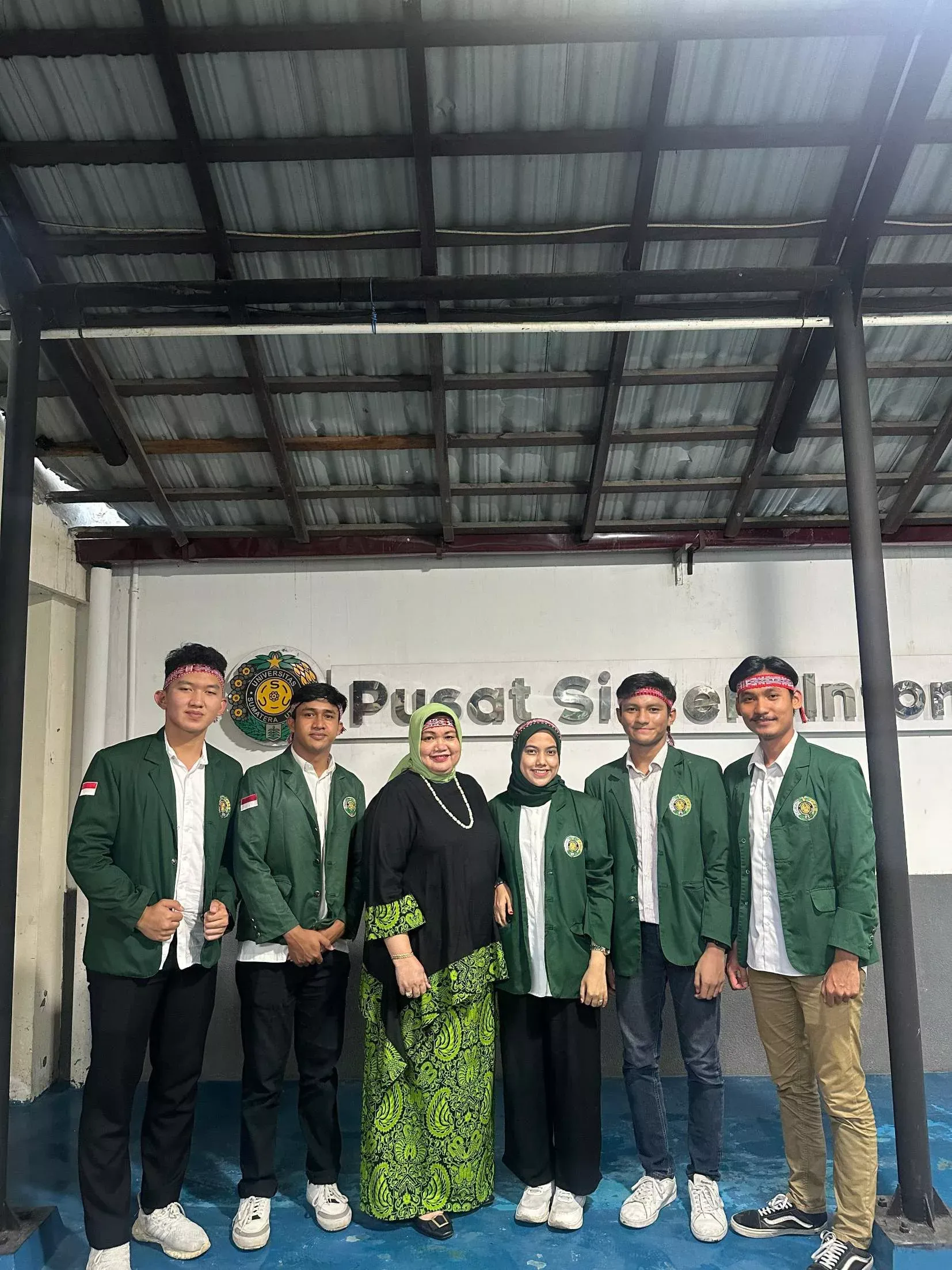
The approach matters at multiple levels. For students, work‑integrated learning, research literacy, entrepreneurial mindsets, and language proficiency raise employability or founder readiness. For communities, co‑created solutions strengthen local value chains, household incomes, and resilience. For the region, a growing portfolio of green and digital ventures reinforces the innovation ecosystem and attracts partners and investment.
These efforts advance several Sustainable Development Goals: SDG 1 (No Poverty) through income opportunities for low‑income students and rural households and completion support that drives social mobility; SDG 4 (Quality Education) through competency‑based curricula, research and thesis support, sustained credit momentum, and on‑time graduation; SDG 8 (Decent Work & Growth) through internships, incubation, and MSME upgrading that create decent jobs and ventures; and SDG 9 (Innovation & Infrastructure) through prototyping labs, applied research, and technology adoption for start‑ups and MSMEs.
By uniting mentorship, hands‑on workshops, and start‑up incubation with robust academic and welfare supports, USU turns learning into livelihood—empowering students and communities while delivering measurable, inclusive impact.