


Medan, (July 14, 2024) – Universitas Sumatera Utara (USU) is intensifying inclusive economic growth and community empowerment by combining targeted financial assistance with incubation and market access so university‑supported start‑ups and community enterprises can turn research‑based innovations into viable, sustainable businesses with measurable social impact. The approach links higher education to real‑world livelihoods, moving ideas from classrooms and laboratories to products and services that benefit local economies.
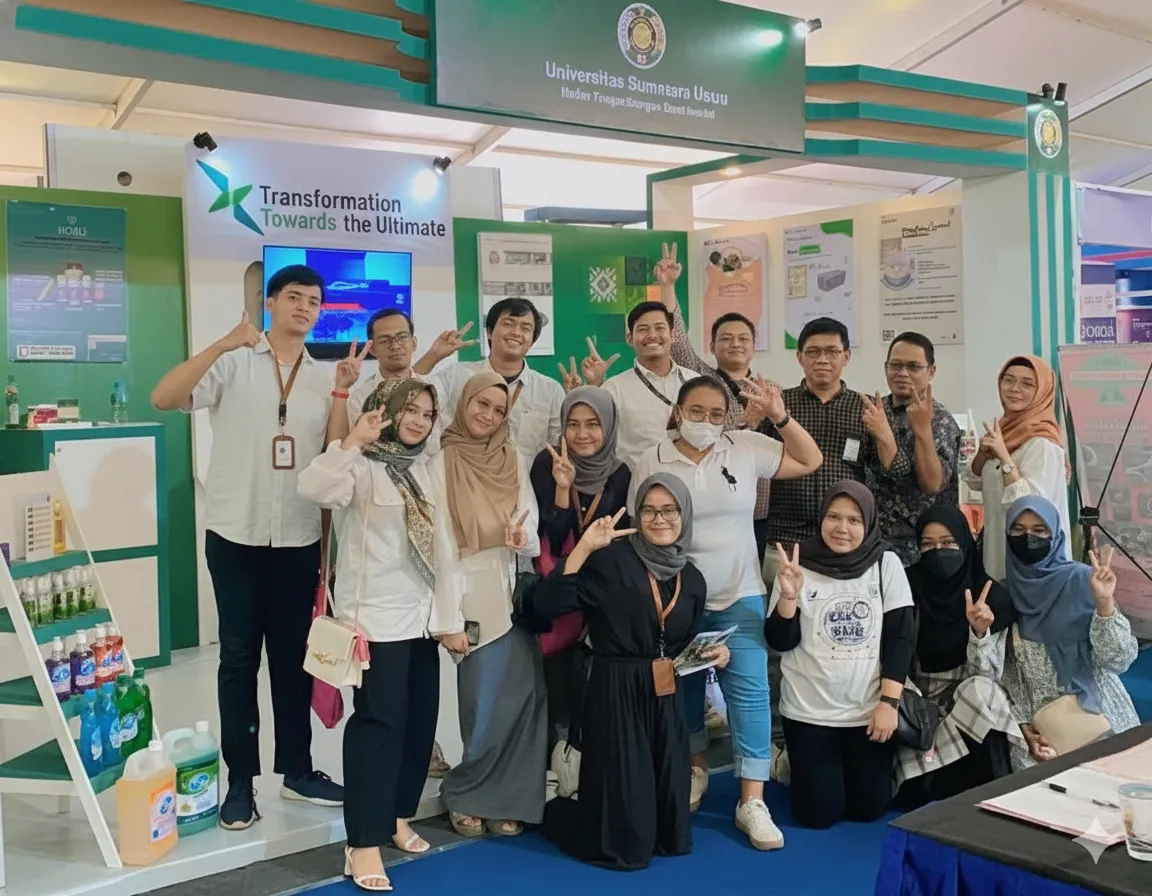
At the center of this effort, Badan Pengembangan Riset Inovasi (BPRI) manages grants and mentoring designed to help innovators commercialize research outputs. In 2024, the agency distributed more than Rp 1.7 billion to student and faculty start‑ups, local entrepreneurs, and rural cooperatives emerging from USU’s innovation ecosystem. Typical awards of Rp 5–25 million per enterprise were channeled through national and university initiatives such as Program Pembinaan Mahasiswa Wirausaha (P2MW), the USU Pitching Competition, and Kewirausahaan Merdeka, enabling teams to build market‑ready prototypes, register intellectual property, and expand operations to reach broader markets. “Our goal is not only to fund innovation but to ensure that ideas evolve into enterprises that empower communities,” said Buchari, S.T., M.Kes., Head of BPRI USU. “Every product that reaches the market represents collaboration between academia, industry, and the people.”
BPRI also operates the USU Business Innovation and Incubation Center, a shared facility that provides co‑working space, laboratories, and prototype production tools, and connects innovators with investors and industrial partners through regular innovation expos and business‑matching events. In 2024, the center recorded a 25% increase in business proposals compared with the previous year, with most submissions focused on green technology, sustainable agriculture, and the creative industries. More than 1,000 participants joined mentorship sessions and commercialization workshops emphasizing financial management, product certification, and digital marketing.
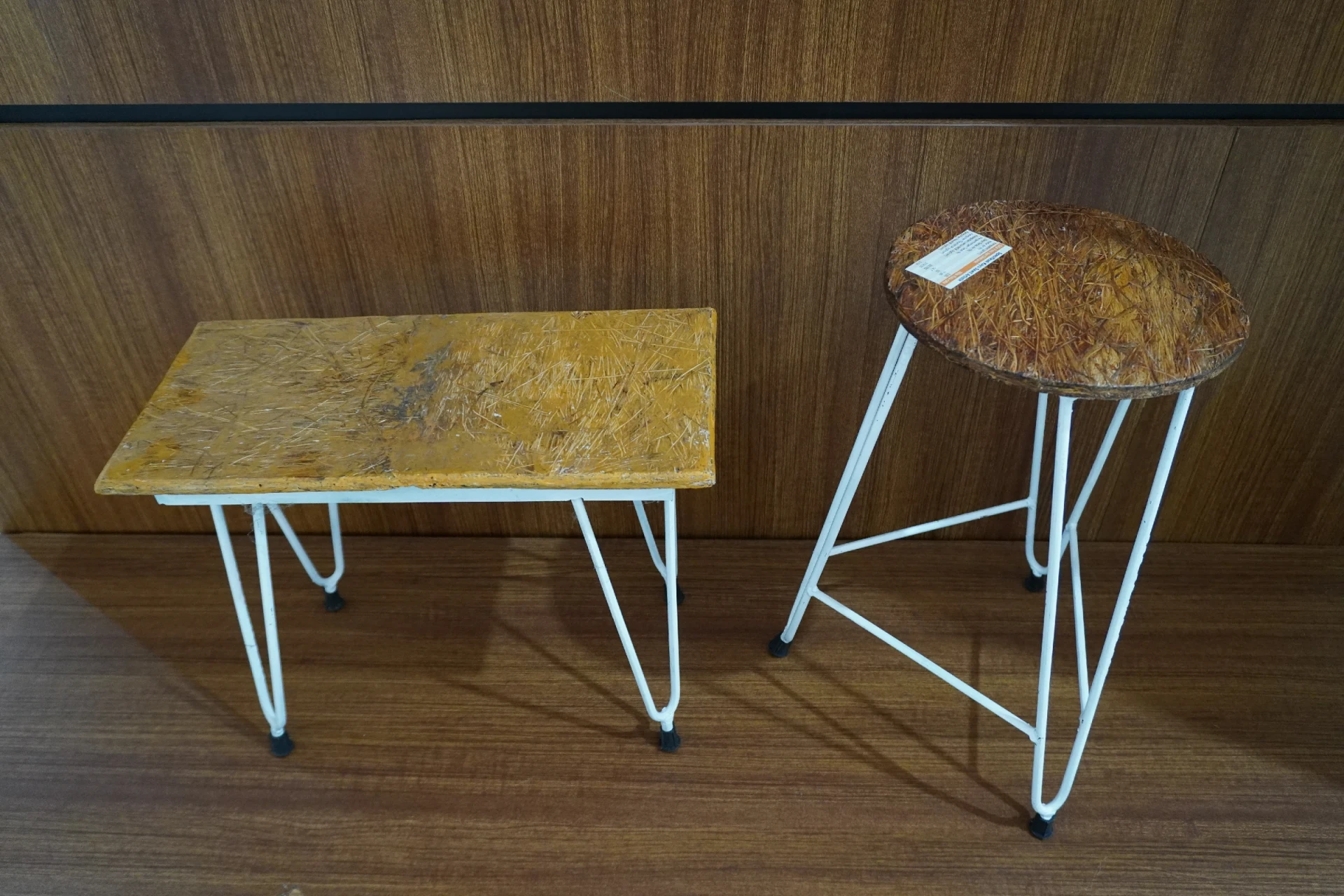
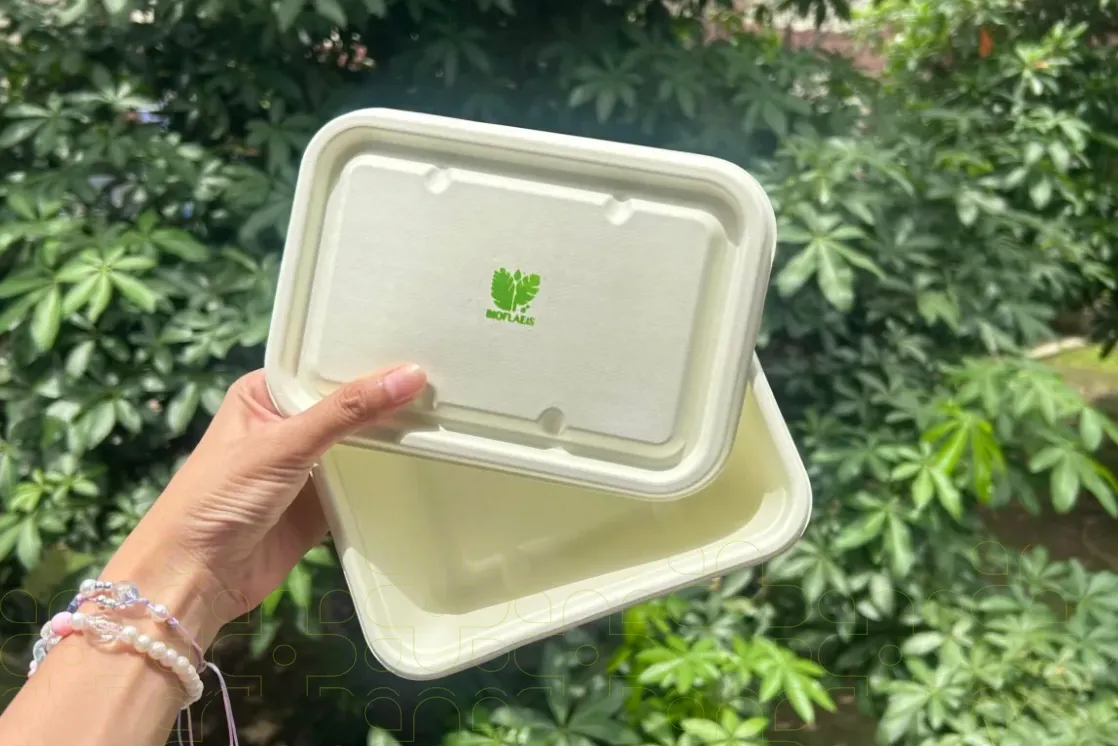
USU’s mentorship has already produced a slate of market‑tested ventures. EcoFibre USU manufactures biodegradable packaging from palm and rice‑husk waste and now supplies eco‑friendly packaging to small businesses in Medan and Deli Serdang. BioFresh develops natural food preservatives derived from local herbs for restaurants and food manufacturers across North Sumatra. AgroTech SmartFarm offers IoT‑based agricultural monitoring systems that help farmers improve water efficiency and crop productivity. HerbaLife Nusantara produces herbal‑based functional foods and natural supplements and is expanding sales via e‑commerce platforms. Each enterprise began as a student innovation or faculty research project and is now fully operational—creating jobs, reducing waste, and promoting sustainable livelihoods. “The impact of BPRI’s programs is not just economic; it is transformative,” said a student entrepreneur from EcoFibre USU. “We learned how to turn waste into value, and now we’re helping small businesses adopt sustainable practices.”
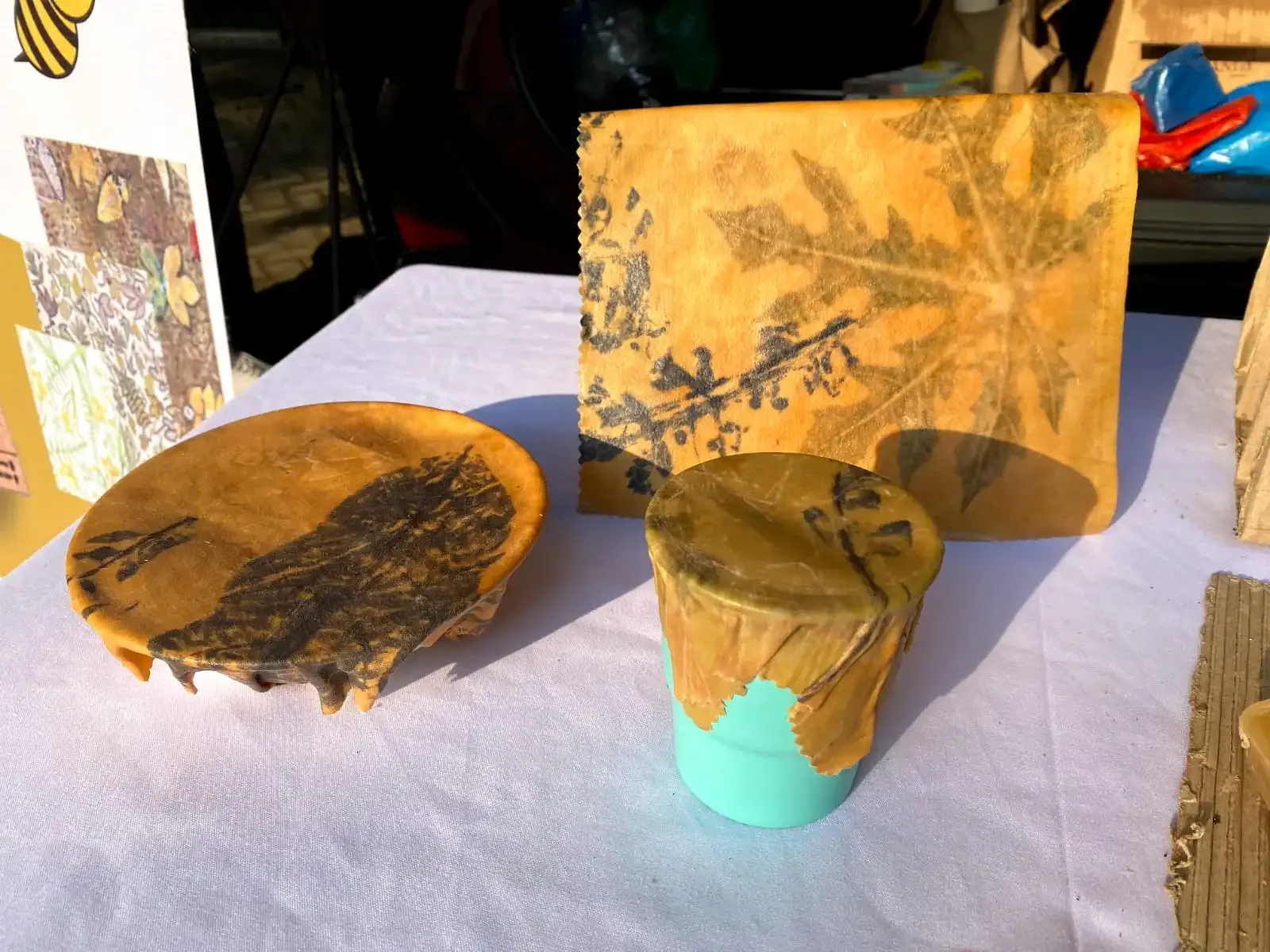
Collaboration extends the model beyond campus. BPRI works with Lembaga Pengabdian kepada Masyarakat (LPPM) and external partners—including Bank Indonesia, BRIN, and PT Inalum—to expand funding access for community‑based enterprises. These partnerships co‑fund Desa Binaan (Community Development Villages), under which each selected village receives Rp 100 million annually to strengthen micro, small, and medium enterprises (MSMEs) through innovation and cooperative business models. In 2024, 12 villages across North Sumatra received support, leading to the establishment of eco‑tourism cooperatives, organic‑fertilizer production units, and sustainable food enterprises. The community‑centered approach ensures that research results and student projects translate into improved product quality, wider market access, and stronger local value chains—while reinforcing stewardship of land and resources.
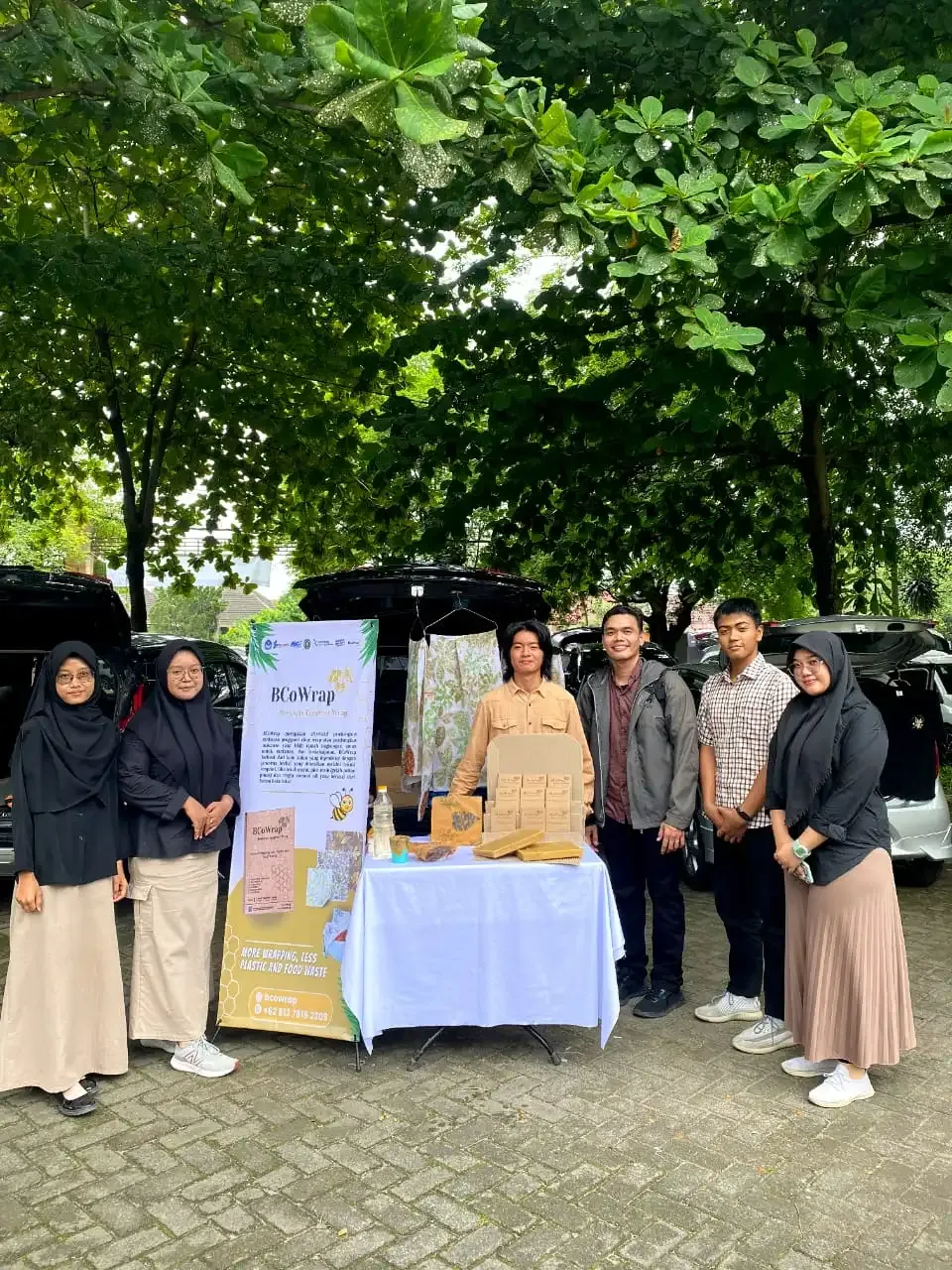
To sustain impact, BPRI’s financial‑support model emphasizes self‑reliance and accountability. Each funded start‑up or enterprise undergoes ongoing performance monitoring, business mentoring, and capacity development to support longevity. Many reinvest profits to train new members or expand employment opportunities, creating a multiplier effect for inclusive growth and resilience.
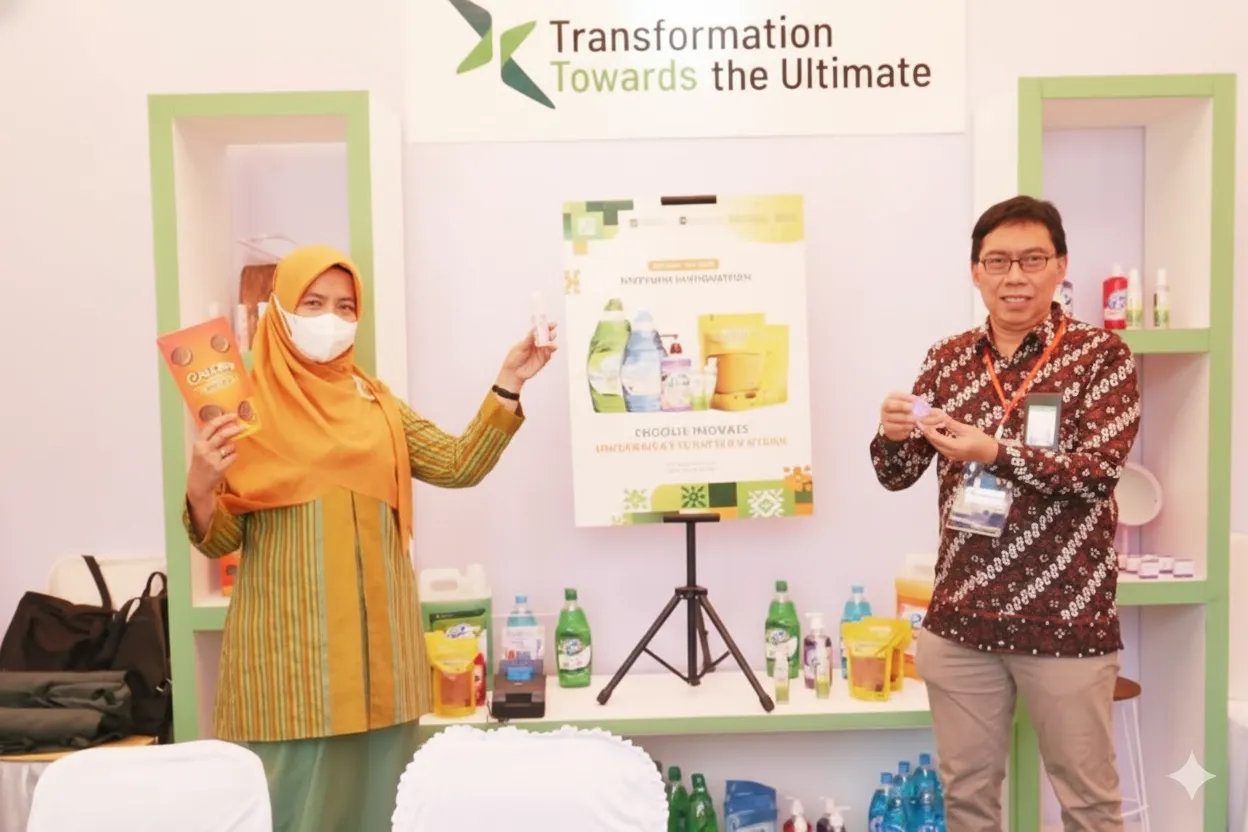
These initiatives contribute directly to the Sustainable Development Goals: SDG 1 (No Poverty) by catalyzing income generation through entrepreneurship and MSME upgrading; SDG 4 (Quality Education) by integrating research with practical learning and commercialization; SDG 8 (Decent Work and Economic Growth) by supporting venture creation and job formation; and SDG 9 (Industry, Innovation, and Infrastructure) by strengthening the regional innovation ecosystem and accelerating technology transfer. With every product commercialized and every start‑up launched, USU advances its vision of a university that delivers innovation, empowerment, and social progress.