


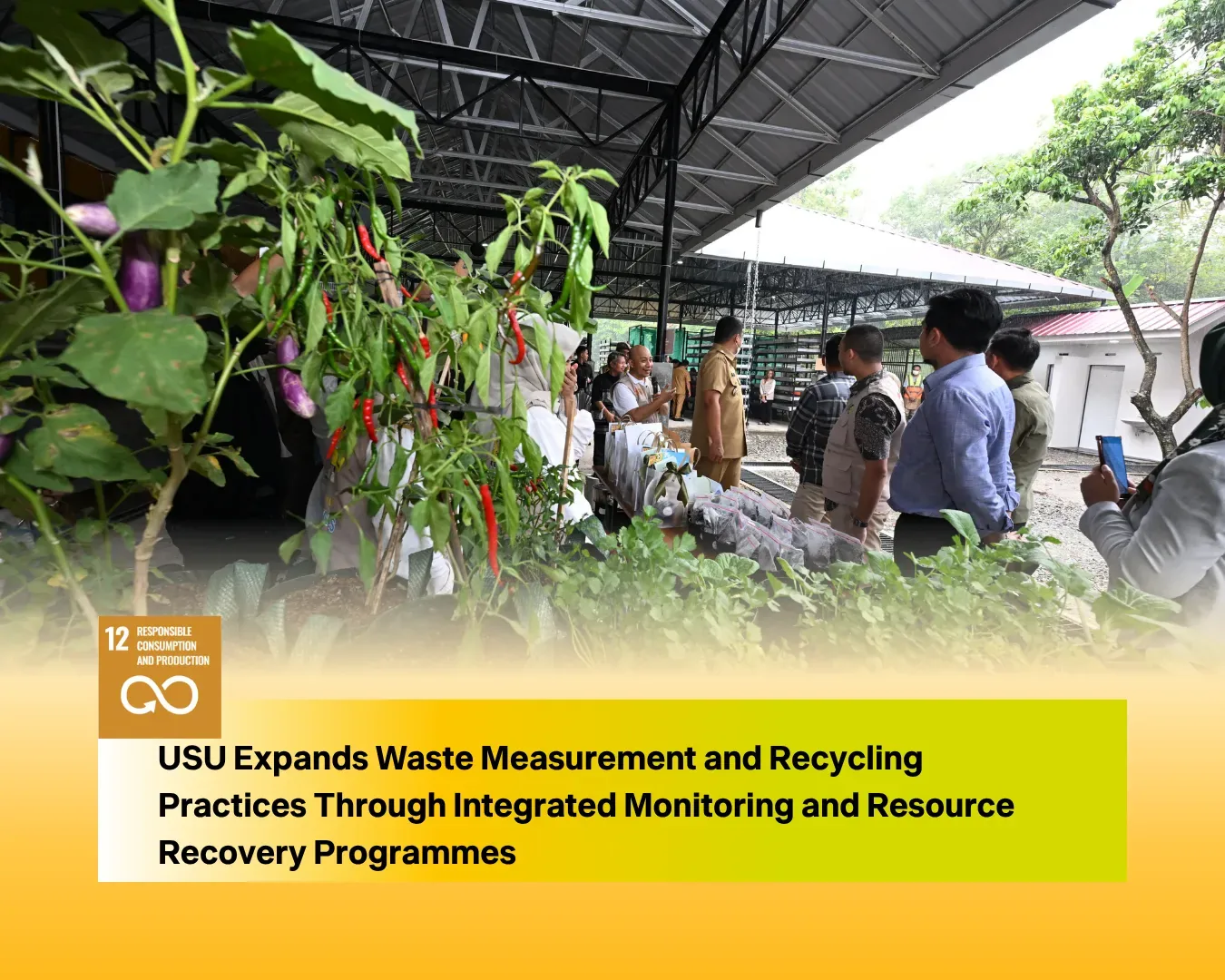
Medan, Indonesia – Universitas Sumatera Utara (USU) continues to measure waste generation and resource recovery as part of its Green Campus operations. In 2025, university waste records documented organic and non-hazardous inorganic materials generated and processed through campus waste-management activities. The measurements support systematic monitoring, recycling, and responsible material management across university operations.
Institutional Framework for Waste Measurement
Rector’s Regulation No. 3 of 2019 on the Green Campus Movement and Rector’s Circular Letter No. 1 of 2023 provide institutional direction for responsible resource use, waste reduction, and environmental management. USU combines this policy framework with documented collection, segregation, and treatment activities to support measurable progress towards SDG 12.
USU Records Waste Generated and Recycled in 2025
USU’s institutional measurements distinguish the quantity of waste generated from the quantity treated through recycling, upcycling and biological recovery activities. The figures below present comparable organic and non-hazardous inorganic waste categories for 2024 and 2025.
| Waste category | Generated 2024 (mt) | Recycled 2024 (mt) | Generated 2025 (mt) | Recycled 2025 (mt) |
|---|---|---|---|---|
| Organic | 191 | 55 | 193 | 105 |
| Non-hazardous inorganic | 460 | 271 | 317 | 150 |
| Total (two categories) | 651 | 326 | 510 | 255 |
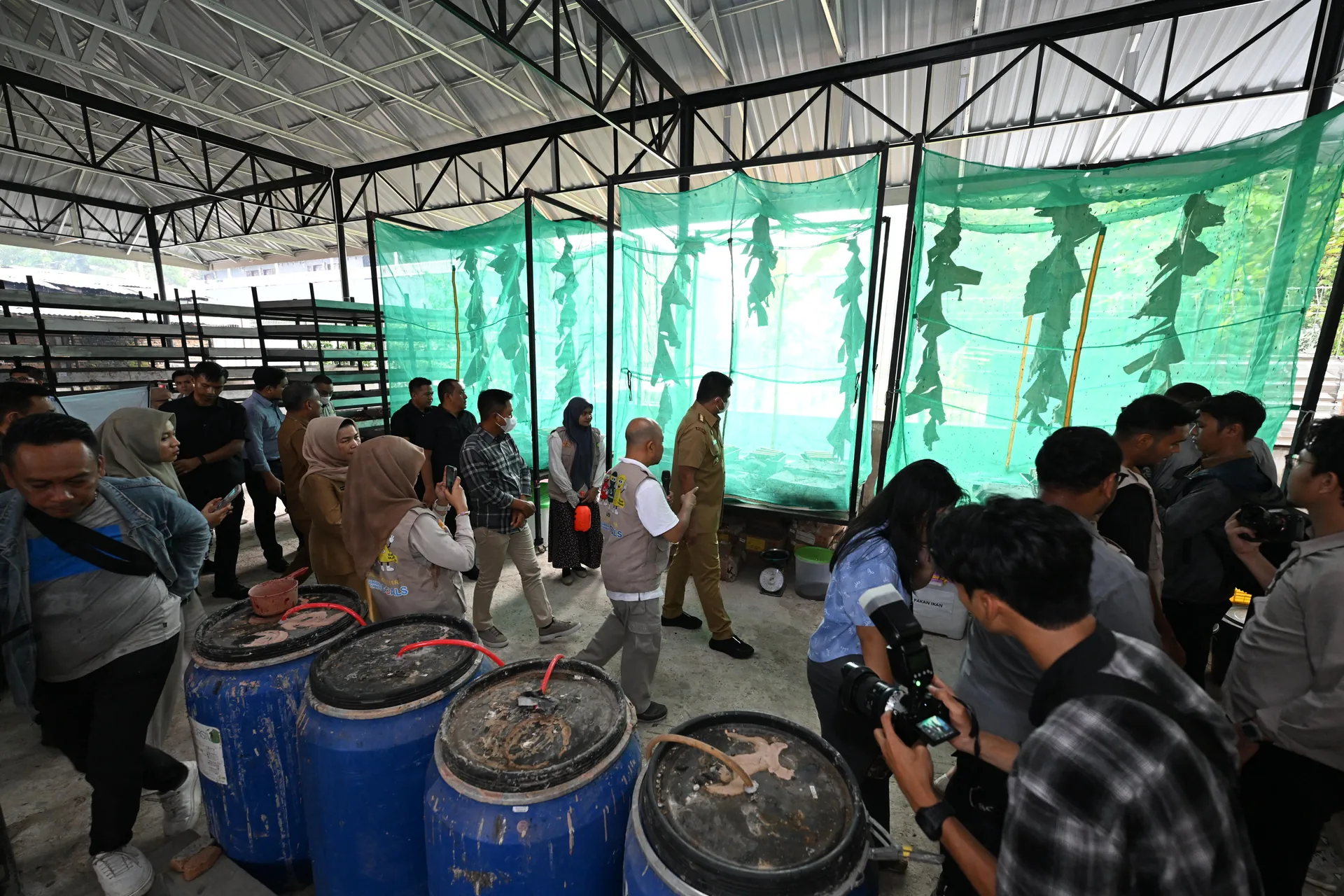
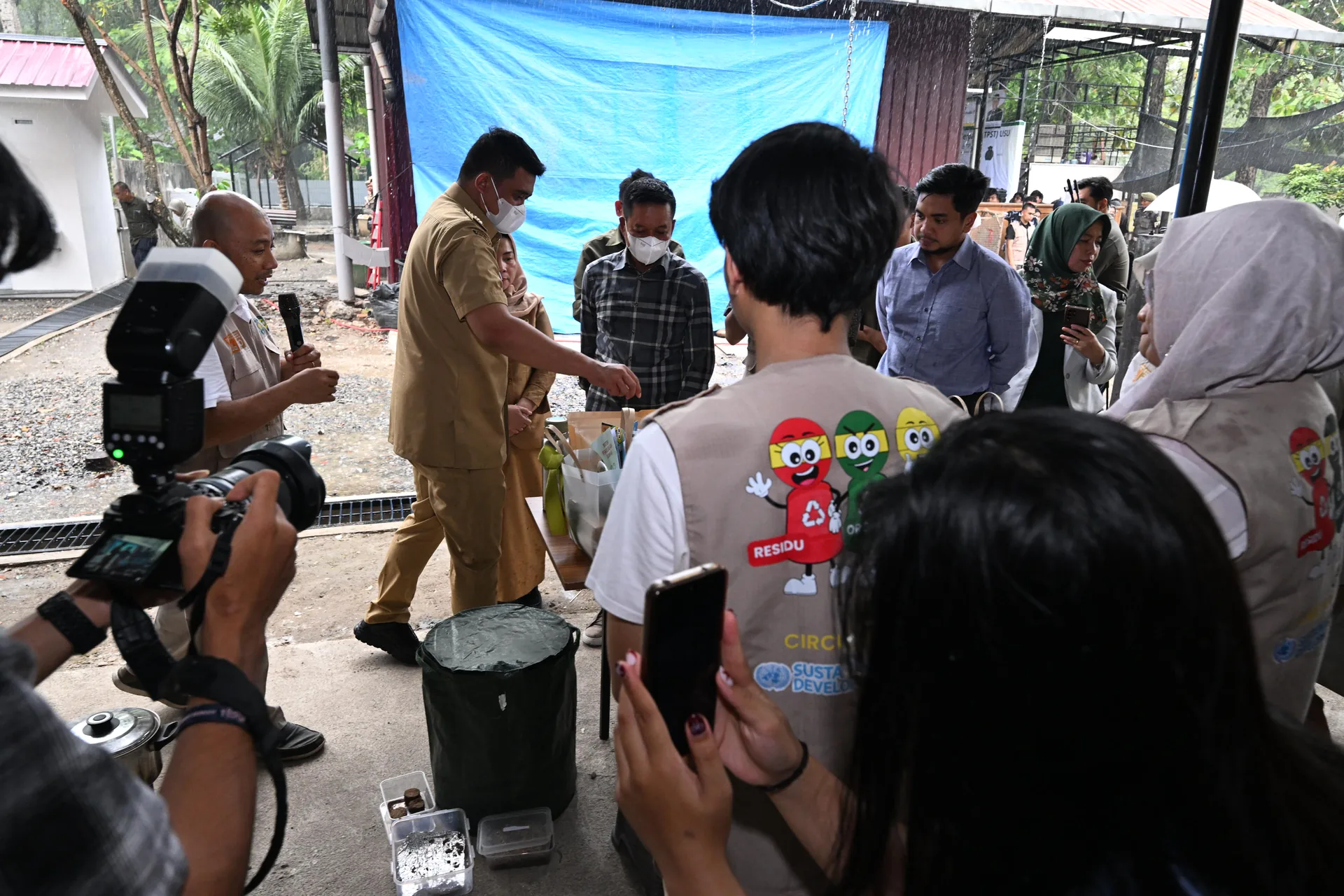
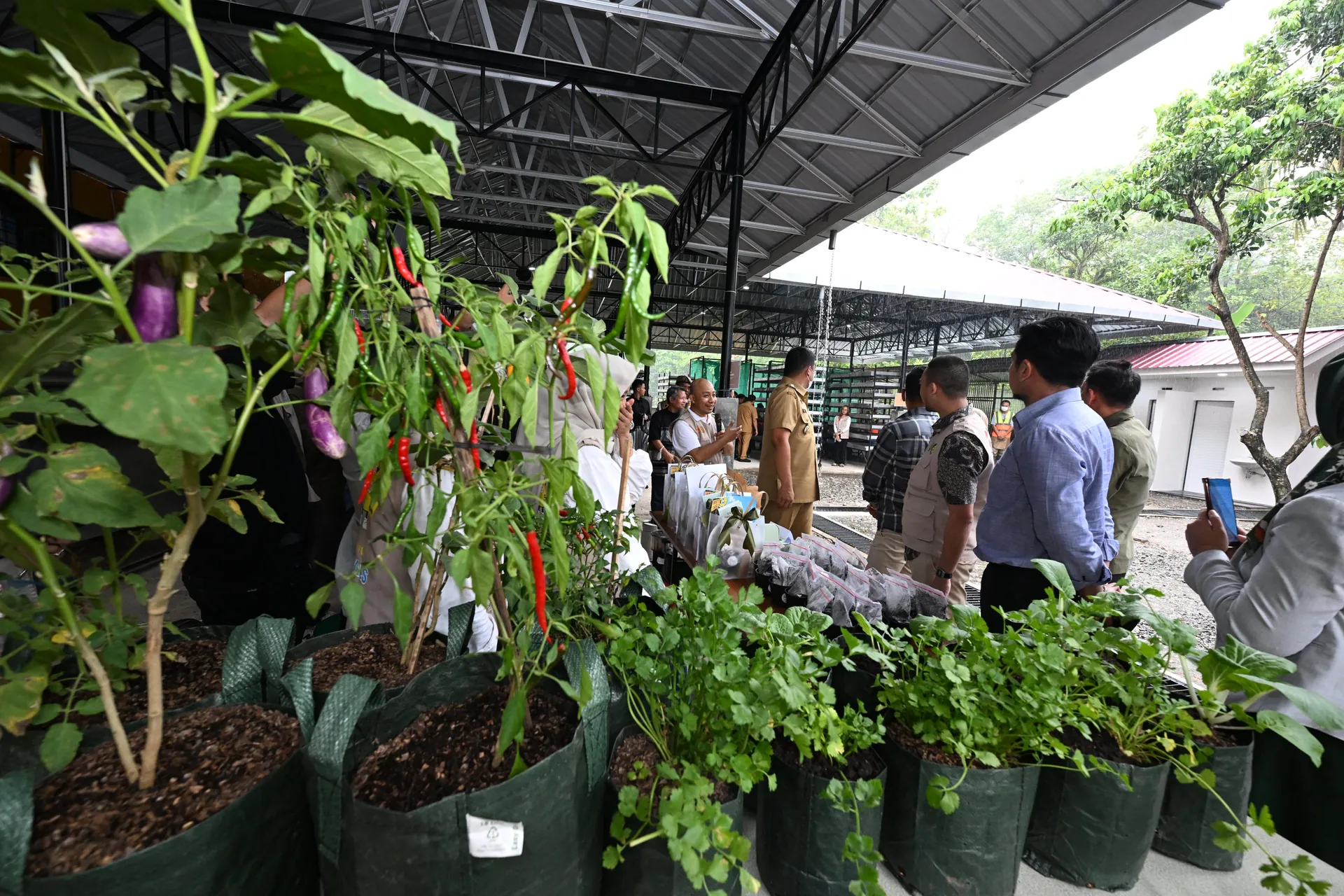
In 2025, USU recorded 193 metric tonnes of organic waste generated and 105 metric tonnes recycled, compared with 55 metric tonnes in 2024. Organic management activities include composting and Black Soldier Fly (BSF) bioconversion, which process biodegradable waste into useful products.
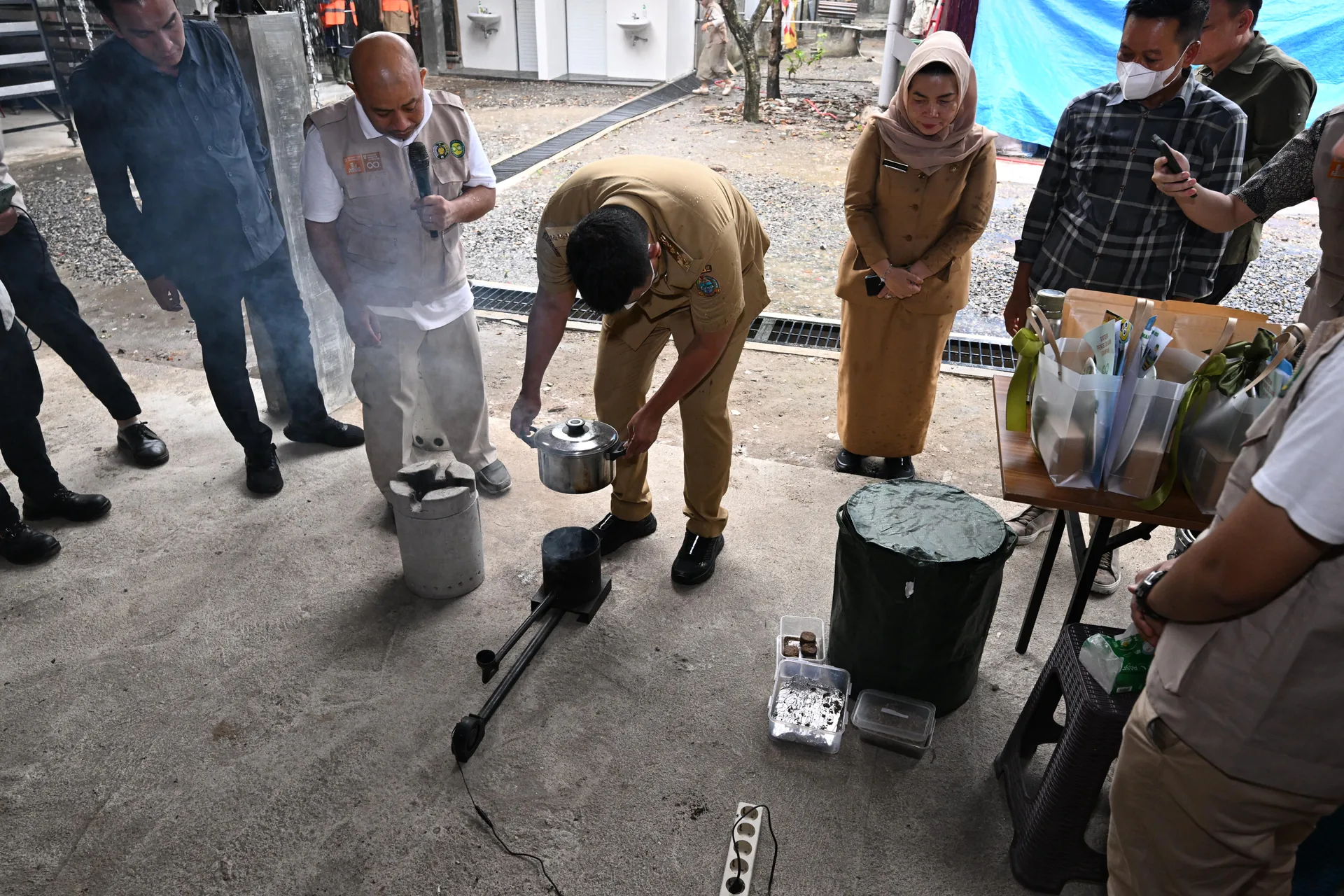
For non-hazardous inorganic waste, university records document 317 metric tonnes generated in 2025 and 150 metric tonnes recycled. Recorded material streams include plastic cups, plastic bottles, paper, metals and glass.
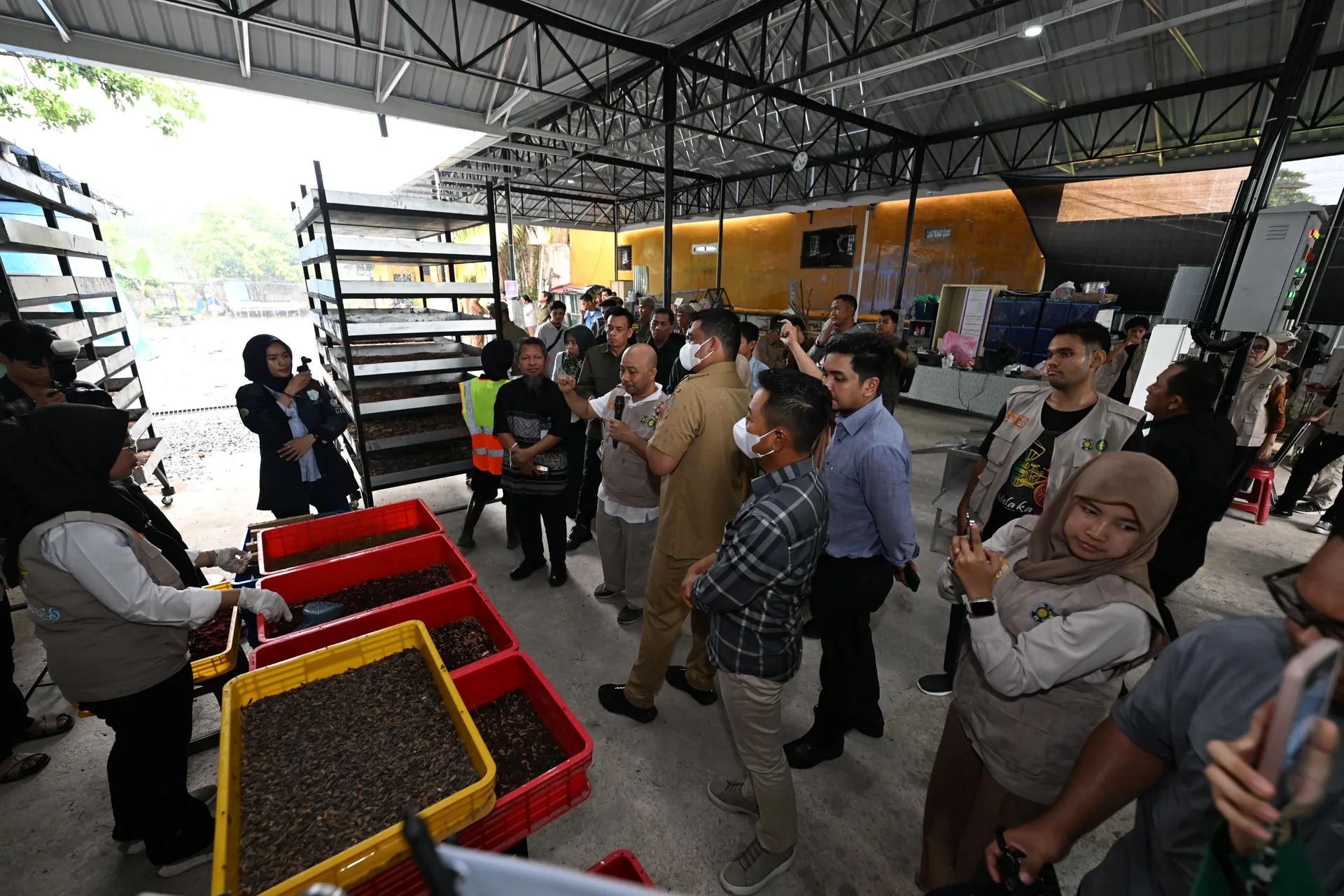
Integrated Waste Processing Supports Campus Resource Recovery
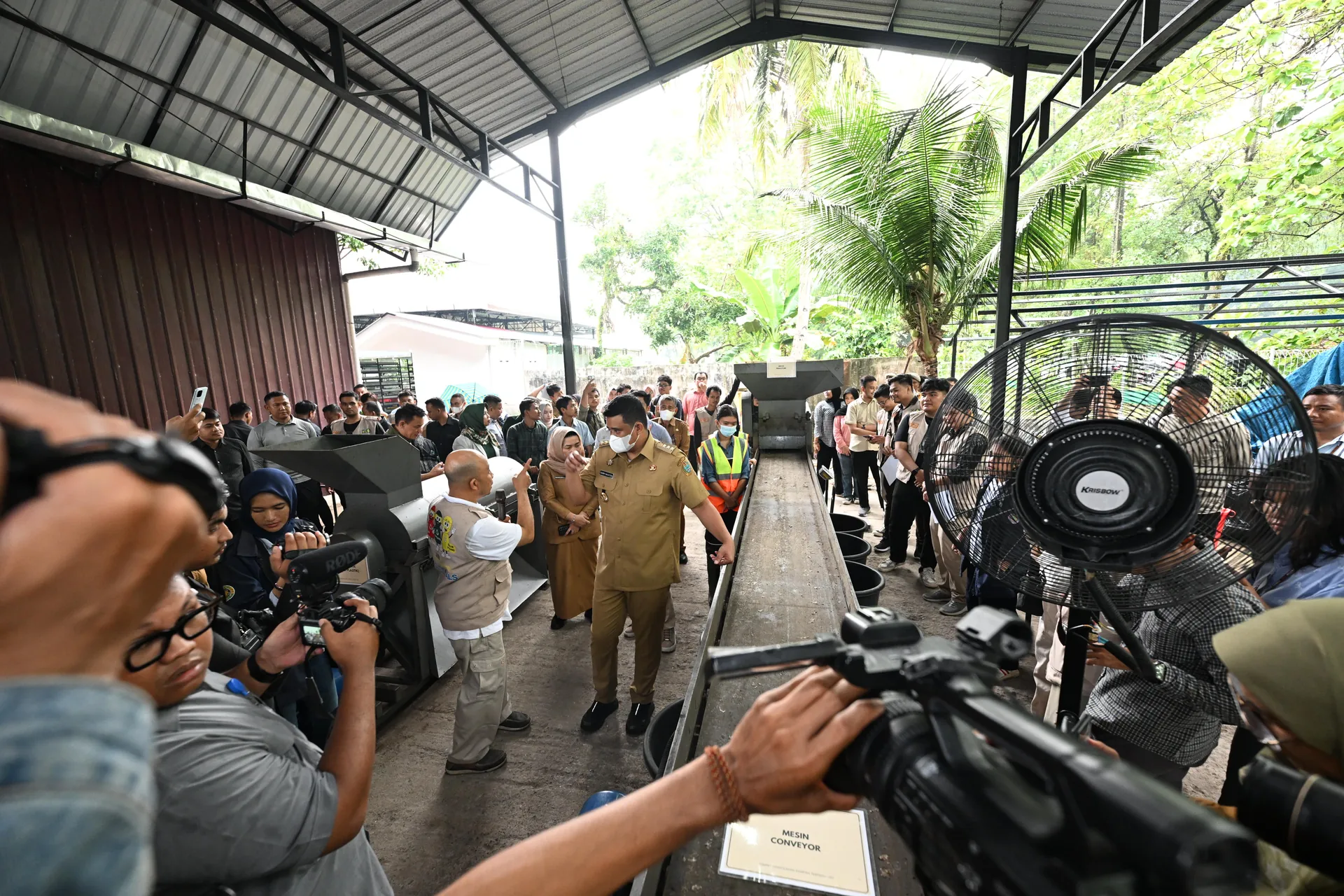
USU inaugurated its Integrated Waste Processing Facility (TPST) in May 2025 in cooperation with the North Sumatra Provincial Government. The facility supports segregation, composting, BSF processing, plastic shredding, and other recovery approaches. A source-segregation pilot included the Faculties of Social and Political Sciences, Engineering, Medicine, and Psychology alongside the Rectorate. These activities provide an operational basis for recording materials collected and treated.
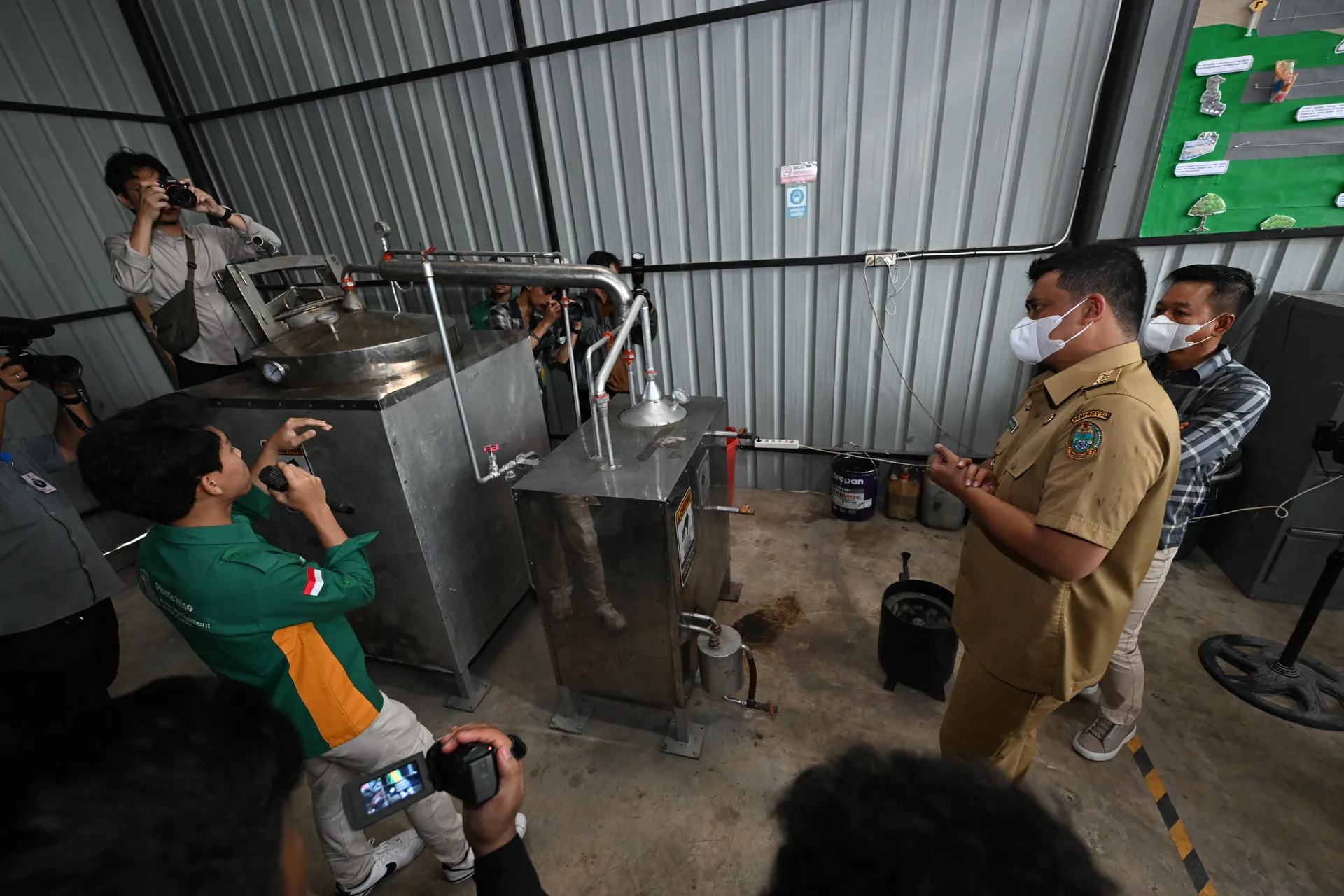
Advancing Quantitative Waste Monitoring
By documenting both waste generated and waste recycled or recovered, USU strengthens the evidence base for managing materials in university operations. The 2025 figures provide category-specific information that can inform processing priorities, resource recovery and institutional environmental reporting. The university’s continued development of waste segregation and TPST activities contributes to SDG Target 12.5 on waste reduction, recycling and reuse.