Medan, (March 17, 2024) – Universitas Sumatera Utara (USU) is strengthening its role as a socially responsible public university by expanding welfare assistance that addresses students’ day‑to‑day needs. Beyond Kartu Indonesia Pintar (KIP) Kuliah, which covers tuition and provides living support, USU operates a campus‑wide safety net—spanning food, housing, transportation, and counselling—to ensure financial or social hardship does not derail academic progress.
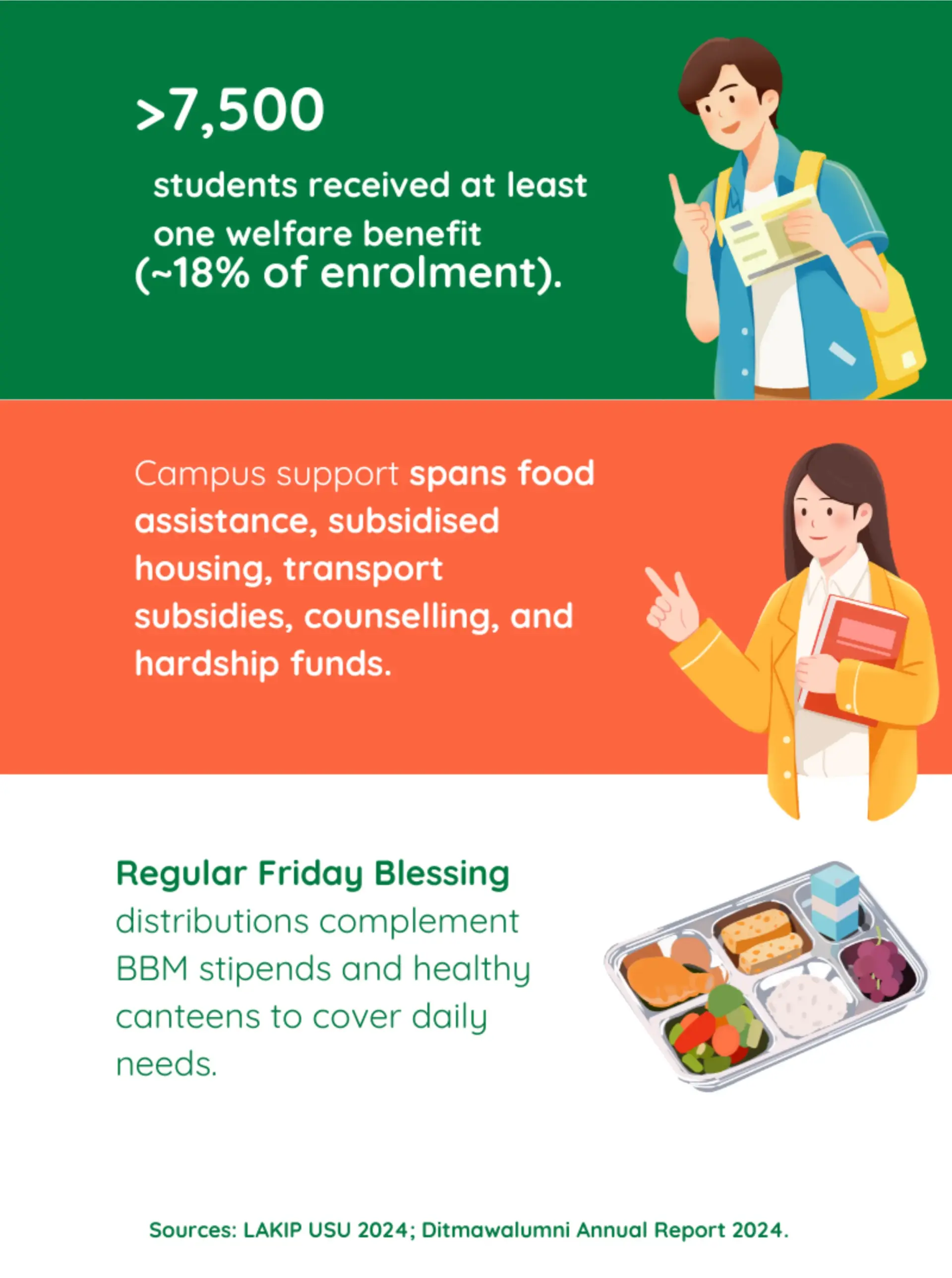
According to the LAKIP USU 2024 and the Ditmawalumni Annual Report 2024, more than 7,500 students—about 18% of total enrolment—benefited from one or more welfare programmes in 2024, underscoring the university’s institution‑wide approach to inclusion.
Supporting Students Through Daily Welfare Initiatives
Coordinated by the Directorate of Student Affairs (Ditmawa), USU’s welfare ecosystem combines Bantuan Belajar Mahasiswa (BBM) monthly stipends for economically vulnerable students with the Healthy and Affordable Campus Canteen Initiative, which offers nutritious meals at below‑market prices.
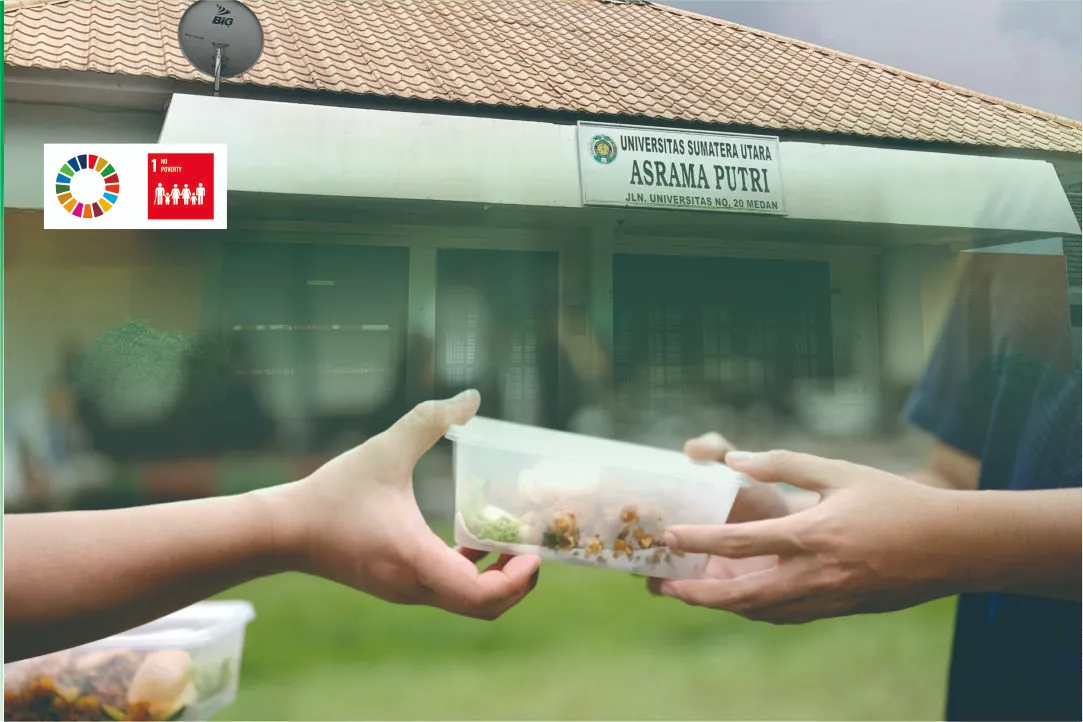
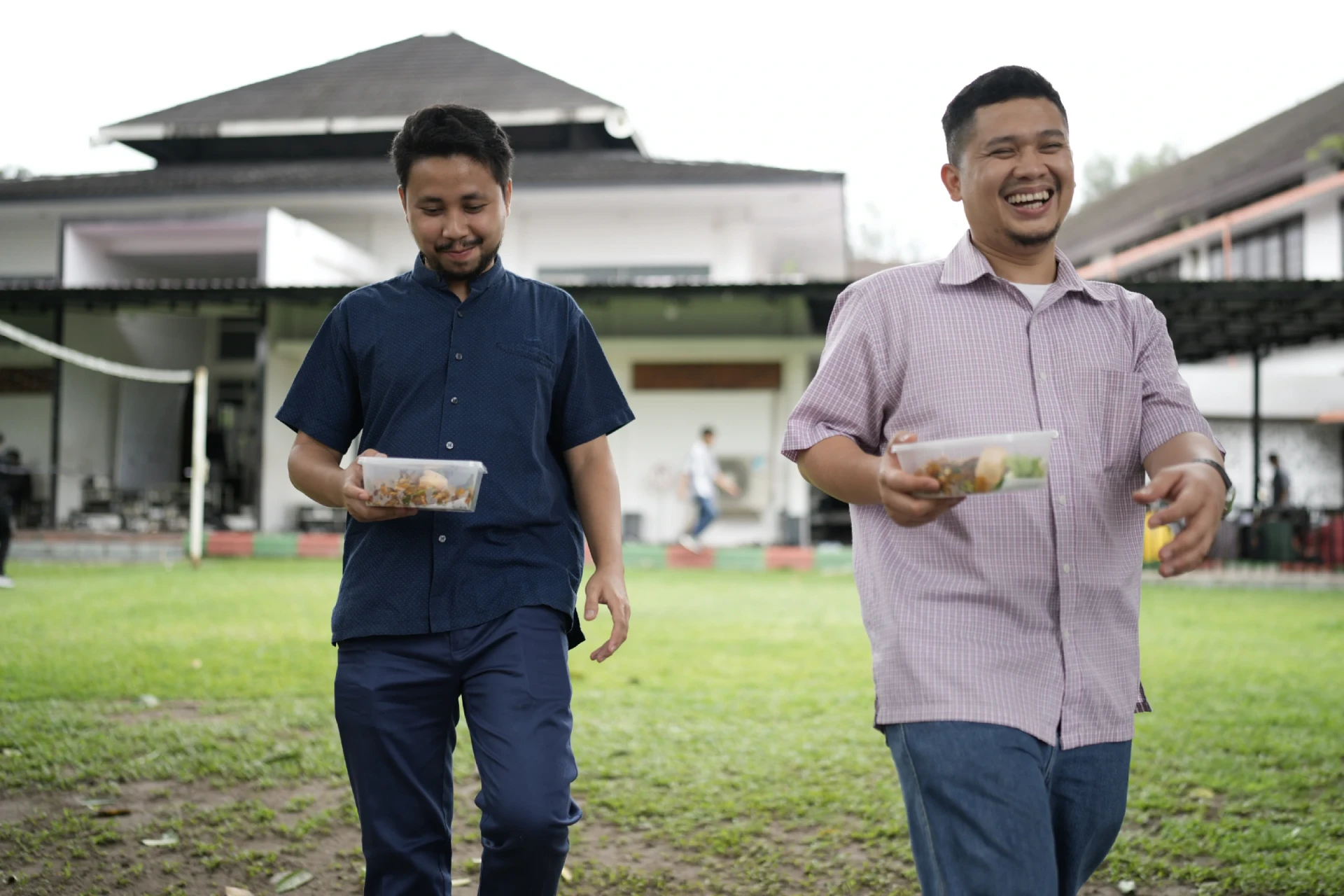
A visible symbol of this outreach is the “Friday Blessing” (Jumat Berkah) programme, held regularly in faculty mosques and prayer halls. Every Friday, academic staff, student organisations, and faculty welfare units distribute free snacks, drinks, and lunches. Faculties including Medicine, Economics and Business, Agriculture, and Social Sciences routinely lead these efforts, reinforcing a culture of mutual care on campus.
“Our goal is to create a compassionate campus where no one studies on an empty stomach,” said USU Rector Prof. Dr. Muryanto Amin, S.Sos., M.Si. “Small acts of kindness, such as the Friday Blessing meals, are part of a larger system that ensures every student feels supported and valued.”
Housing, Transport, and Counselling Assistance
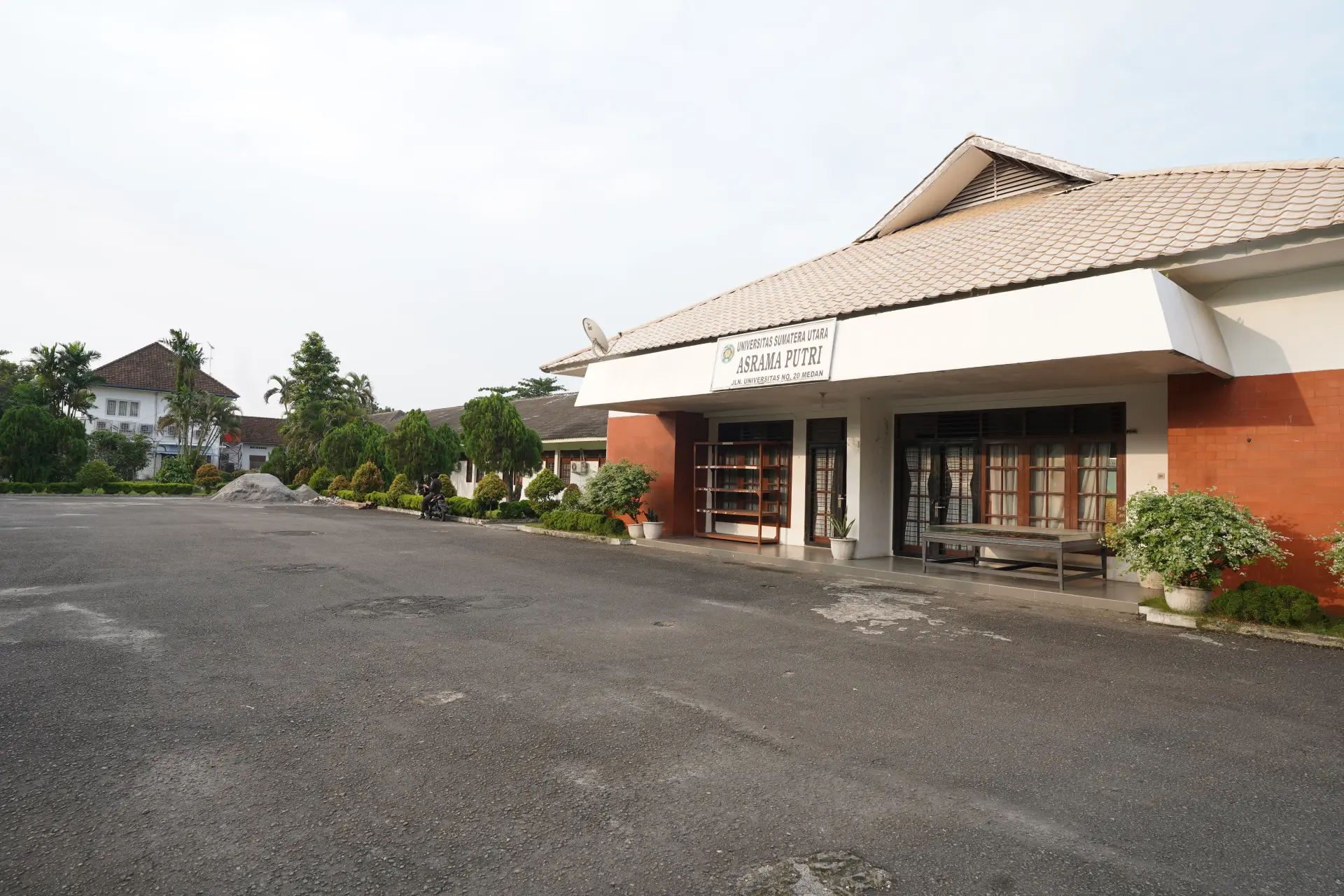
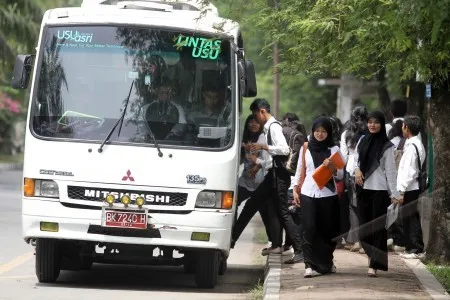
For students without family housing in Medan, USU partners with local dormitory providers and operates subsidised university housing near the main campus. The KIP Kuliah living allowance includes a transportation subsidy, lowering commuting costs for off‑campus and rural students.
In emergencies—such as eviction, food insecurity, or family crises—students may access temporary hardship funds and legal assistance through the Student Welfare and Counselling Division, which also provides mental‑health support, career guidance, and personal‑development counselling to promote well‑being and retention.
Collaborations and Community Partnerships
USU works closely with Baznas North Sumatra, Bank Indonesia, and multiple corporate social responsibility (CSR) programmes that supply food packages during exam periods, emergency meal assistance, and transportation stipends for rural students. These partnerships extend the reach of university welfare services beyond the campus, aligning inclusion with community‑level poverty alleviation.
Sustainable Impact and SDG Alignment
USU reports that the integrated welfare system contributes to high retention and on‑time graduation, particularly among low‑income groups. By embedding financial, housing, food, and psychological support into its institutional framework, the university advances SDG 1 (No Poverty) and SDG 4 (Quality Education)—translating access into sustained academic achievement and long‑term social mobility.
-dikonversi-dari-JPG.webp)
By the numbers (2024)