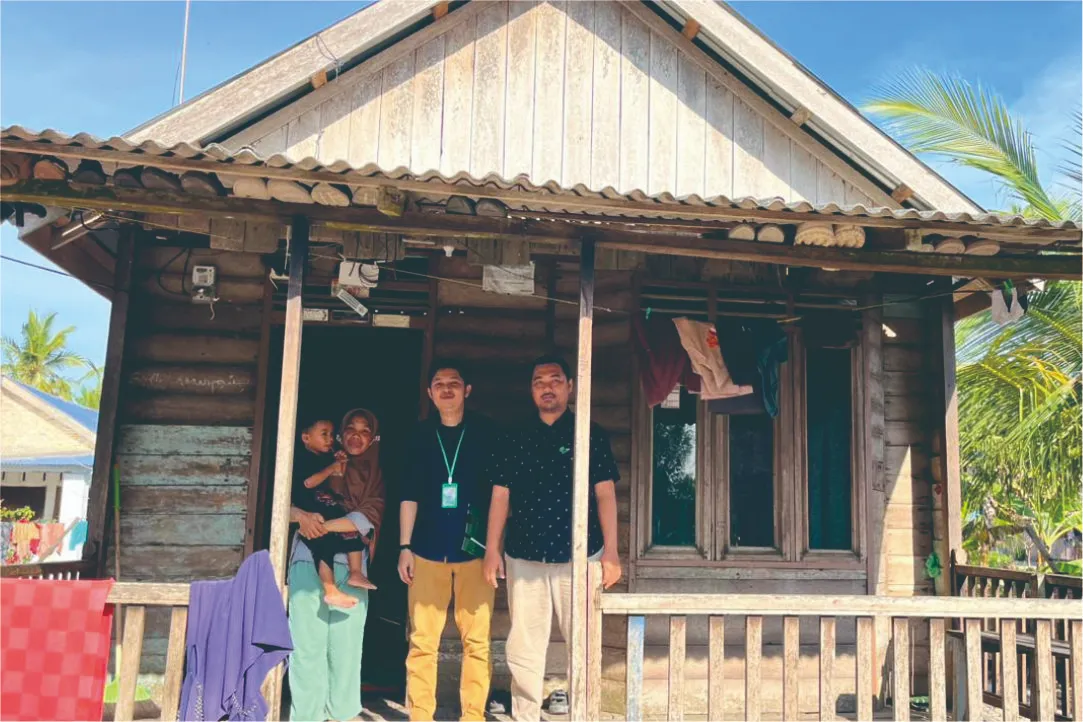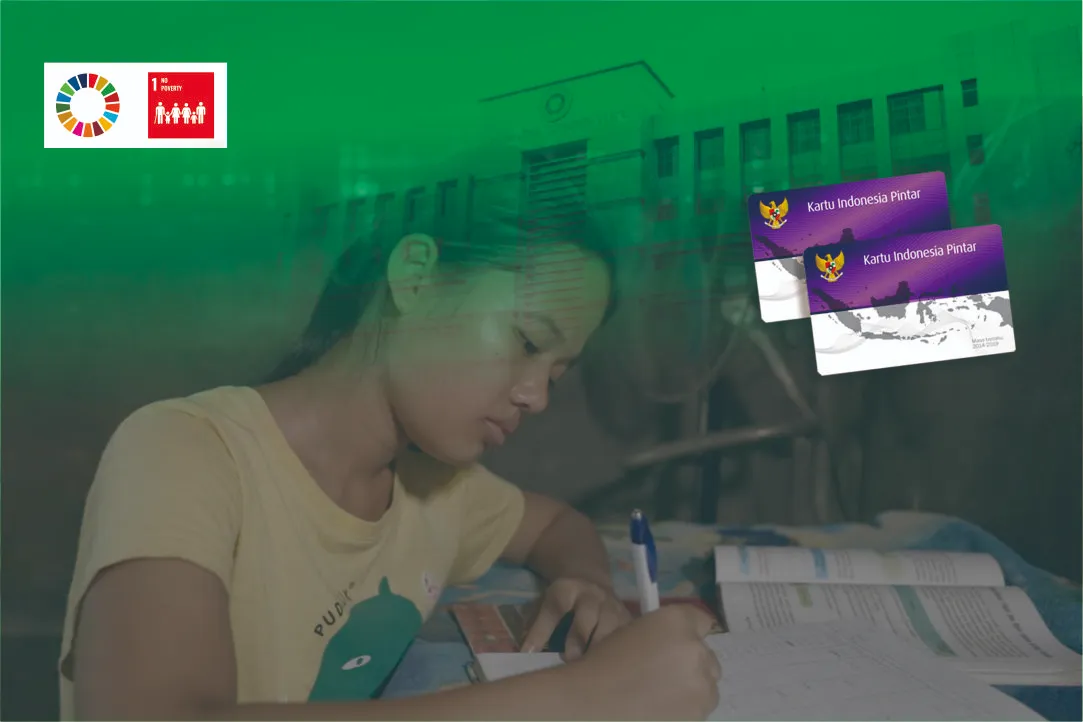
Medan, (January 4, 2024) – Universitas Sumatera Utara (USU) reaffirmed its institutional commitment to social inclusion by expanding pathways for students from low‑income families, particularly those in Indonesia’s bottom 20 percent of the household‑income distribution. The priority is embedded in the university’s Rencana Strategis (Renstra) 2020–2024 and Laporan Akuntabilitas Kinerja Instansi Pemerintah (LAKIP) USU 2024. “We want to ensure that financial background never becomes a barrier for talented young people to pursue university education,” said Prof. Dr. Muryanto Amin, Rector of USU.
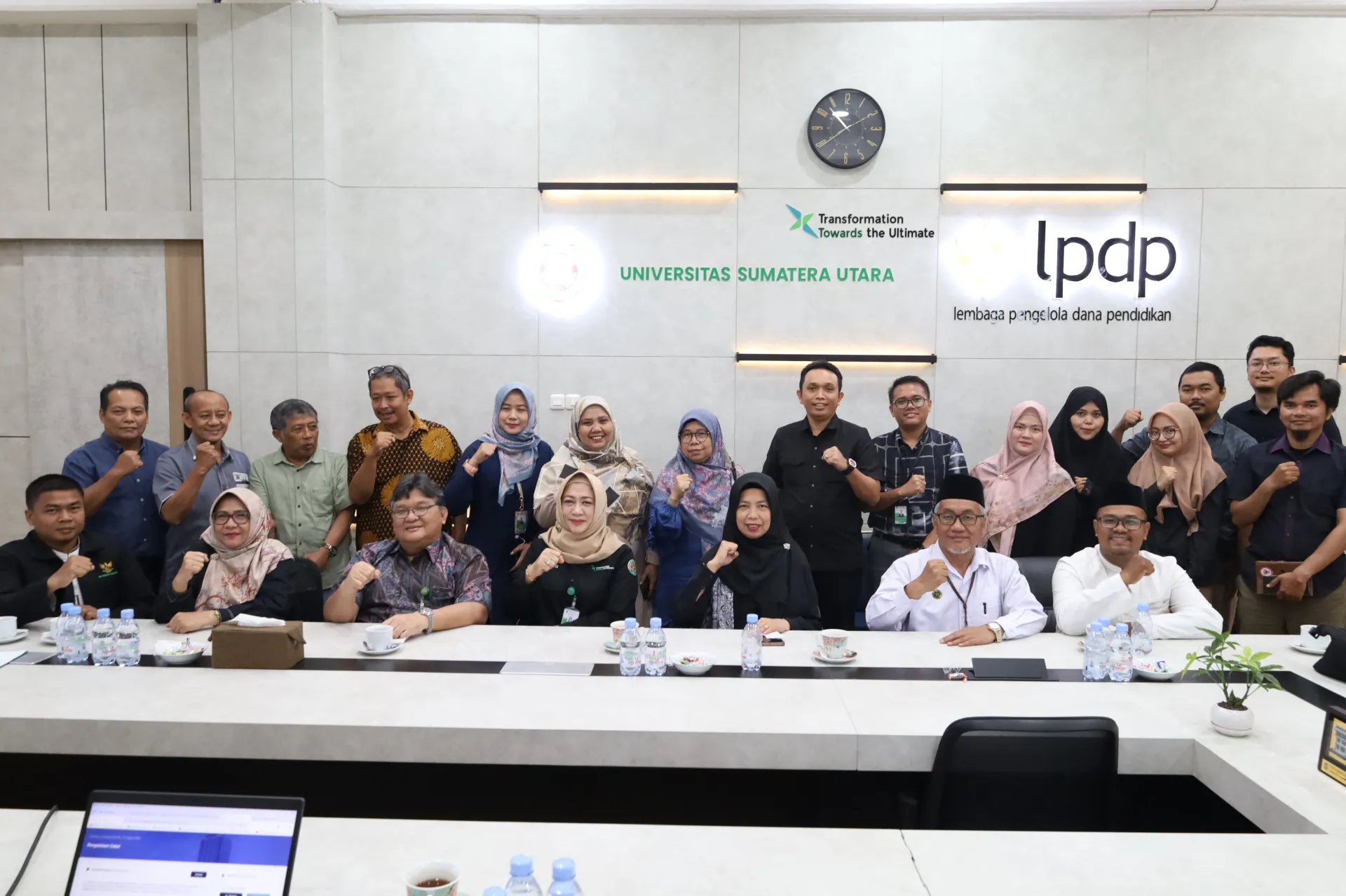
Admissions through KIP Kuliah Merdeka
In 2024, USU recorded 6,636 students under the national Kartu Indonesia Pintar (KIP) Kuliah Merdeka program—about 16% of total enrollment (41,570 students). The scheme targets learners whose families are listed in Data Terpadu Kesejahteraan Sosial (DTKS), Indonesia’s integrated database for social‑welfare recipients.
Each academic year, USU sets a special admission quota in collaboration with the Ministry of Education, Culture, Research, and Technology (Kemendikbudristek), with a continuing target that 15–20% of new entrants come from the lowest‑income category. To strengthen outreach, USU also implements KIP Kuliah Usulan Masyarakat, enabling local governments and high schools in disadvantaged regions to nominate eligible students who would otherwise lack access to higher education.
Three-Year Data on Low-Income Student Inclusion
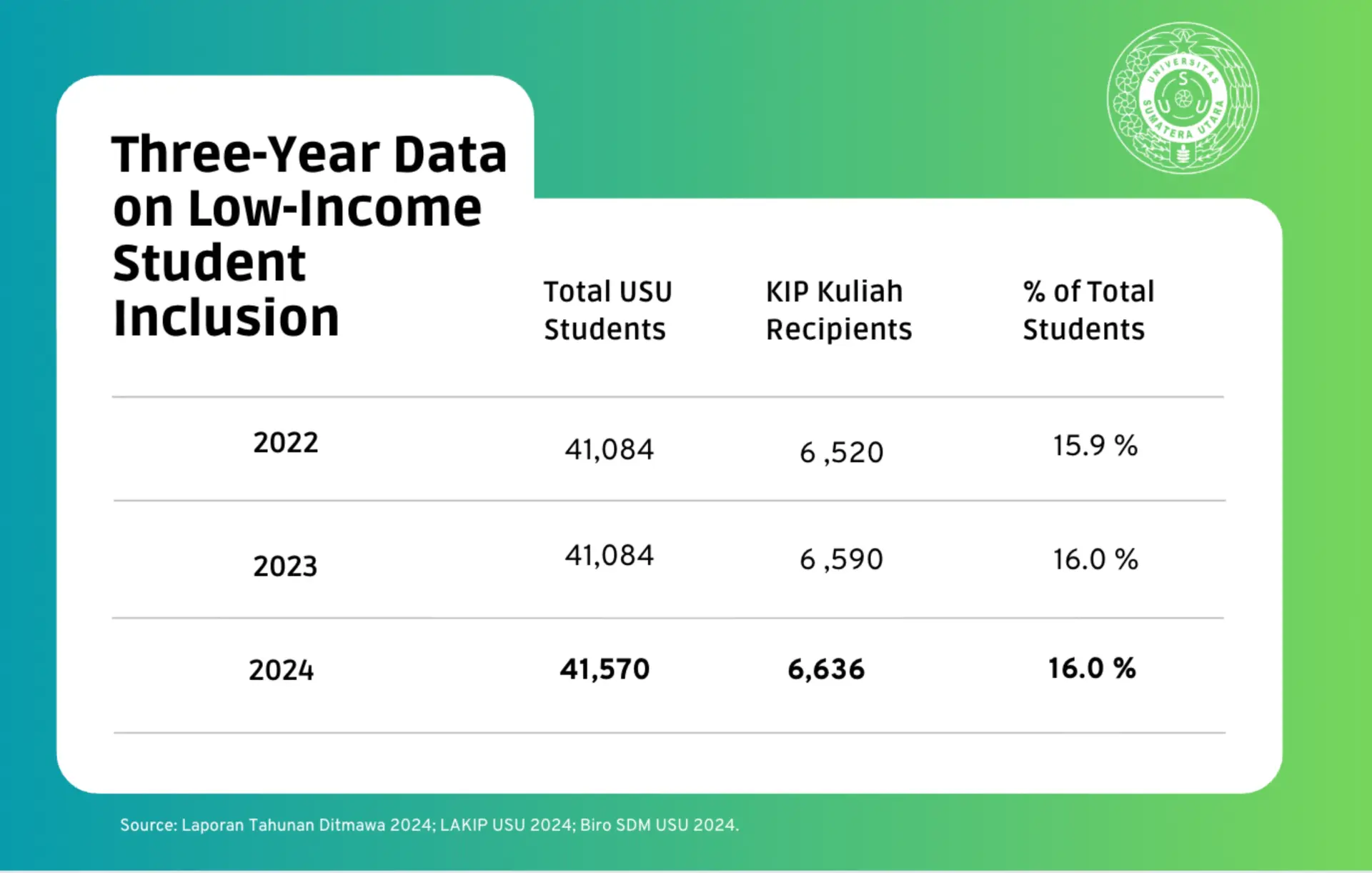
Academic Year | Total Students | KIP Kuliah Recipients | % of Total Students | Additional Internal Aid Schemes |
2022 | 41,084 | 6,520 | 15.9 % | BBM Grants, Baznas Aid |
2023 | 41,084 | 6,590 | 16.0 % | BBM, Baznas, Corporate Scholarships |
2024 | 41,570 | 6,636 | 16.0 % | KIP Usulan Masyarakat, BBM, Baznas |
Source: Ditmawalumni Annual Report 2024; LAKIP USU 2024; Biro SDM USU 2024.
Beyond Government Scholarships
USU complements national funding with internal Bantuan Belajar Mahasiswa (BBM) and zakat‑based Baznas assistance for students whose family income falls below the provincial minimum‑wage threshold, extending inclusion beyond government quotas. The university conducts annual eligibility verification—using DTKS records, income documentation, and school recommendations—to ensure that recipients represent the lowest socioeconomic groups.


Impact on Social Mobility and SDG Alignment
Through this structured and data‑driven framework, USU enables students from economically vulnerable families not only to access higher education but also to complete it successfully. The initiative contributes directly to SDG 1 (No Poverty) and SDG 4 (Quality Education) by converting financial hardship into opportunity and long‑term social mobility.