


Building Global Best Practice: USU’s Unites 9 Countries for Eco-Friendly Agriculture
Universitas Sumatera Utara conducts international collaboration into comparative methods, harmonised datasets, and policy-ready guidance that advance the Sustainable Development Goals (SDGs). Across biodiversity, public health, climate action, sustainable tourism, and green infrastructure, USU acted as both initiator and partner, reviewing what works across countries and formalising it into international best practice.
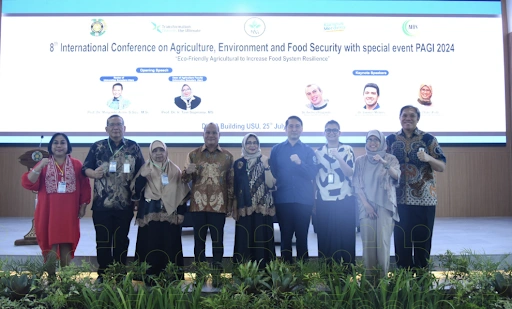
USU Hosts the 8th AEFS 2024 International Conference
USU and Netherlands Collaboration on Spatial Technology Builds Best Practice for Sustainable Forest Management
In the environment cluster, USU’s scientists worked with Indo-Pacific partners to standardise environmental DNA (eDNA) approaches for mangrove ecosystems and to build shared reference libraries—practical contributions to comparable indicators for SDGs 13, 14, and 15. A Top Scientist Seminar in May strengthened method alignment and capacity building across Malaysian–Indonesian sites, ensuring that field protocols yield interoperable data.
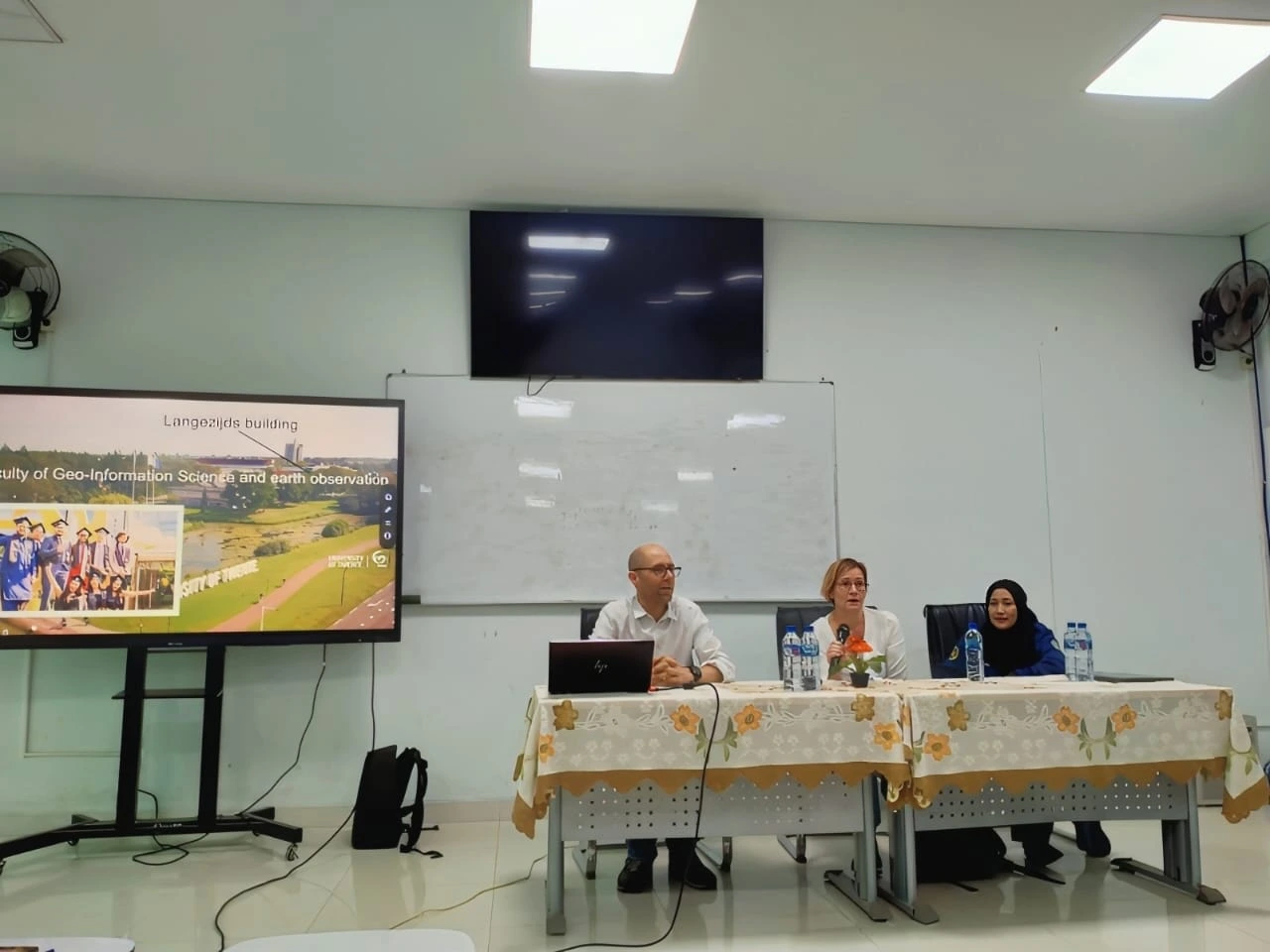
USU Holds International Guest Lecture with Experts from the Netherlands
International Urban Farming Workshop: USU–USM Build Best Practice for Healthy, Food-Secure Cities
Beyond biodiversity, USU and Malaysian universities conducted joint fieldwork across the Lake Toba and Langkawi Global Geoparks, generating multi-site evidence for sustainable tourism and climate resilience. The comparative design—shared instruments, mirrored observations, and co-analysis—produces datasets that decision-makers can apply in both geographies, reinforcing SDGs 8 and 13.
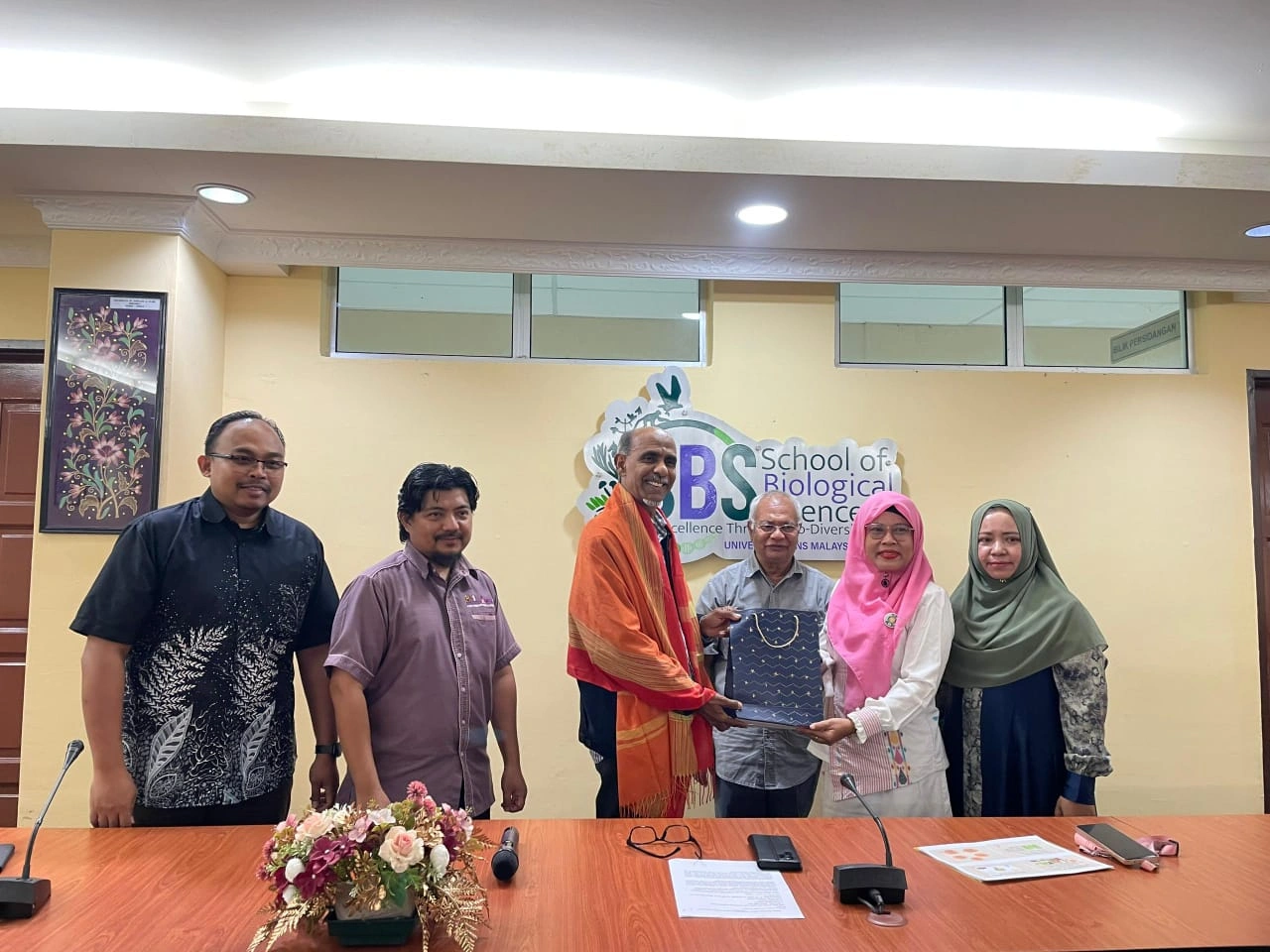
Urban Farming Workshop: A Synergy of International Community Service between USU and USM