


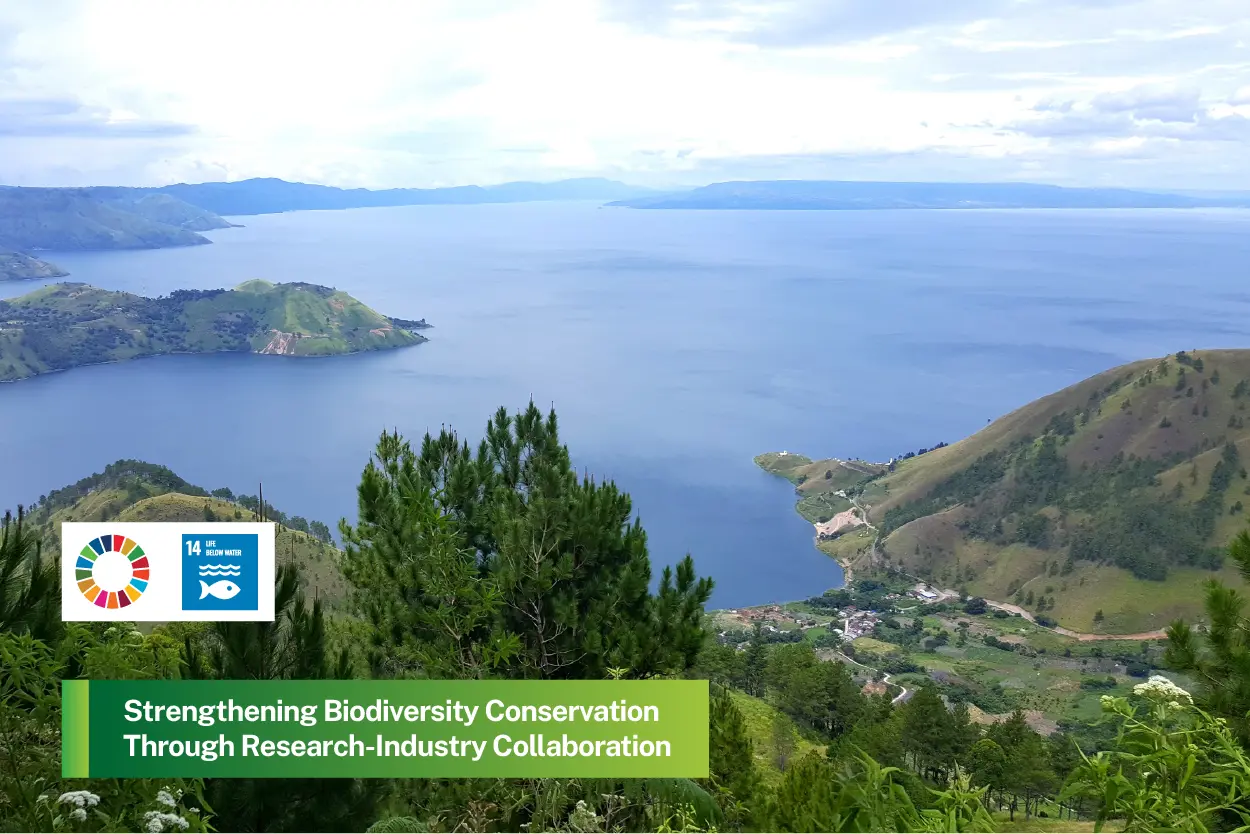
Medan, Indonesia (5 December 2024) – Universitas Sumatera Utara (USU) is deepening its role in ecosystem restoration and biodiversity conservation through applied research, field collaboration, and partnerships with national and international institutions. Throughout 2024, the university has focused on protecting threatened landscapes and species while supporting communities that depend on them.
International research partnerships for ecosystem sustainability
In 2024, the Faculty of Forestry at USU strengthened its cooperation with Malaysian universities Universiti Teknologi MARA (UiTM) and Universiti Putra Malaysia (UPM). Together, they conducted joint studies on sustainable natural resource management in several key ecosystems, including:
Buffer zones of the Leuser Ecosystem, one of the world’s most important biodiversity hotspots in Sumatra;
Volcanic landscapes around Mount Sinabung, focusing on land restoration after eruptions;
The Danau Toba Geopark, where geological and biological conservation are integrated; and
Langkawi Global Geopark in Malaysia, as part of an international learning exchange on geotourism and ecosystem management.
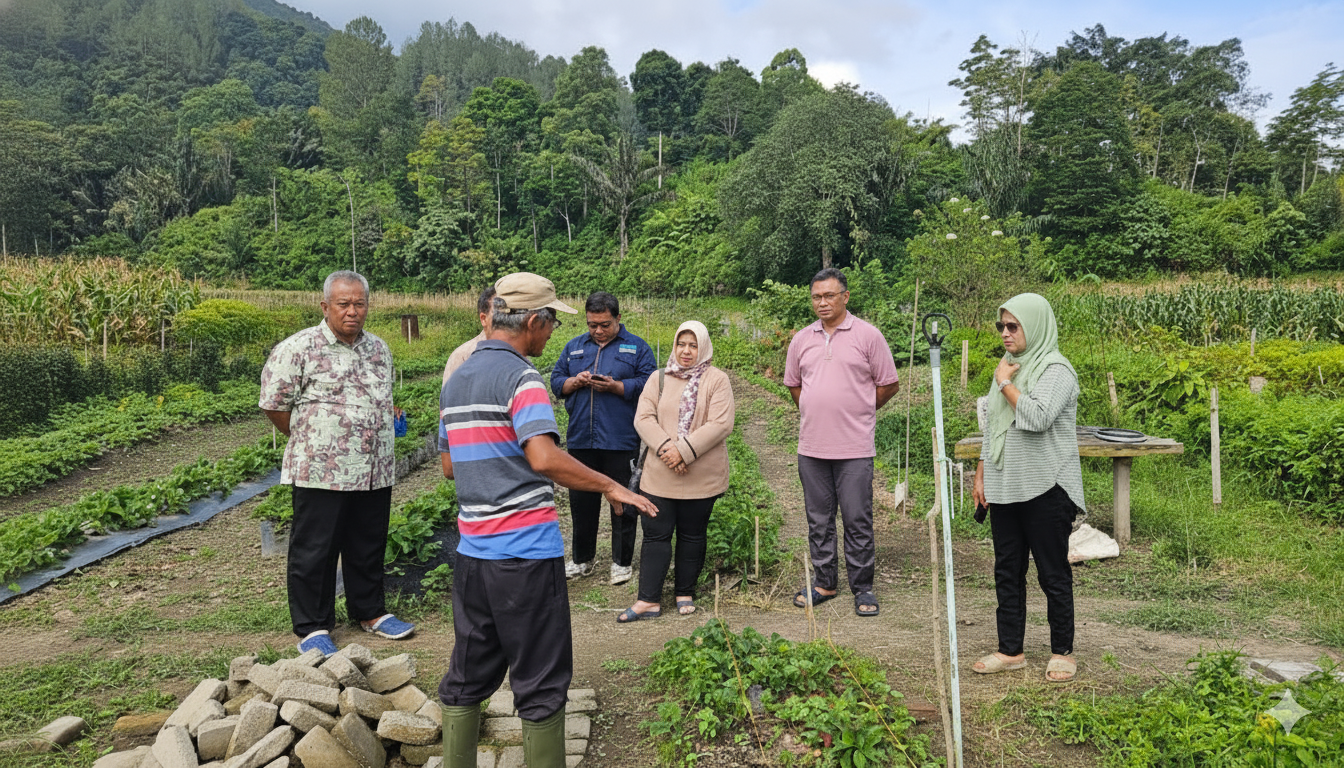
These collaborations support cross-border scientific dialogue and capacity-building, helping the region find practical ways to balance ecosystem protection with local livelihoods.
Institutional cooperation for conservation and restoration
USU has formalised strategic partnerships through Memoranda of Understanding (MoUs) and Agreements (MoAs) with the Yayasan Ekosistem Lestari (YEL), a key organisation involved in the protection and management of the Leuser landscape and other conservation areas in Sumatra.
Through this cooperation, USU and YEL work together on:
Joint research on forest, peatland, and wildlife habitats;
Ecological monitoring and data collection to support policy decisions;
Promoting sustainable land-use practices that reduce deforestation and habitat fragmentation.
Within the Faculty of Forestry, the Laboratory for Forest Resource Conservation and Arboretum/Biodiversity Garden (Taman Kehati) plays an active role in:
Species conservation through arboretum-based research and genetic diversity collections;
Long-term ecological monitoring of forest and mangrove ecosystems;
Biodiversity education through field programmes run with conservation NGOs and schools.
The laboratory works closely with the Sumatran Orangutan Conservation Programme / Yayasan Orangutan Sumatera Lestari (YOSL–OIC) and stakeholders of the FOLU Net Sink 2030 initiative, providing data and expertise to support Indonesia’s national targets on carbon reduction and biodiversity protection.
Supporting national ecosystem restoration and climate resilience
USU experts are also involved in national ecosystem rehabilitation projects, particularly in:
Peatland restoration, where degraded peat areas are mapped, studied, and monitored to reduce fire risk and restore their function as carbon sinks;
Tropical rainforest recovery, where USU contributes scientific consultation, vegetation surveys, and community-based monitoring to guide reforestation and landscape planning.
By working with government agencies and international conservation networks, USU helps design adaptive management strategies that combine field ecology, policy advice, and climate resilience planning. This integrated work contributes to reducing the impacts of deforestation, land degradation, and climate change, while supporting sustainable development and local economic opportunities.
Conserving threatened species and habitats
In its restoration and conservation work, USU also highlights the importance of threatened species and ecosystems in Sumatra, including:
.png)
Mangrove forests along the coast, which are under pressure from land conversion and coastal development;
.png)
Ikan Batak (Neolissochilus thienemanni) , an endemic freshwater fish from the Lake Toba region, threatened by habitat change and overexploitation.
Through research, environmental education, and community programmes, USU promotes the protection and restoration of these habitats and species. Mangrove conservation and monitoring are strengthened through drone-based mapping, field studies, and community awareness activities, while freshwater ecosystem management and education help draw attention to the need to protect endemic species like Ikan Batak by improving water quality, controlling pollution, and encouraging more sustainable fishing and aquaculture practices.
Integrating science, policy, and education
USU’s ecosystem and biodiversity initiatives are reinforced by its broader institutional framework, including the Green Campus Policy (Rector’s Regulation No. 3 of 2019) and Circular Letter No. 1 of 2023 on environmental management and carbon neutrality. These instruments guide the integration of ecological sustainability into:
Academic curricula and student fieldwork;
Research priorities related to forests, peatlands, lakes, and coastal ecosystems;
Community service programmes that bring scientific knowledge directly to villages and local stakeholders.
By combining science, education, and on-the-ground collaboration with NGOs and government, Universitas Sumatera Utara shows how a university can act as a catalyst for sustainable change. Its multi-level partnerships in Sumatra and across Southeast Asia reflect a long-term commitment to protecting biodiversity, restoring critical ecosystems, and building climate-resilient landscapes.