


.webp)
Medan, (August 15, 2024) — Universitas Sumatera Utara (USU) is strengthening its role as a partner to local communities by working collaboratively to restore and care for shared land and coastal ecosystems. Through joint programmes with residents, alumni, NGOs, and government agencies, the university is showing that its Green Campus vision extends far beyond the campus gates and into surrounding villages and coastal areas.
In Desa Bagan Kuala, USU’s Thematic Community Service Programme (KKNT) in 2024 became a concrete example of this partnership in action. Together with the USU Alumni Association (IKA USU) and village communities, students coordinated the staged planting of 5,000 mangrove seedlings along vulnerable stretches of coastline. Around 1,000 seedlings have already been planted, while the remaining trees will be planted gradually in line with tidal patterns and in close coordination with village authorities to ensure the best survival rates. This long-term planting schedule reflects not only ecological considerations, but also respect for local knowledge and rhythms of coastal life.
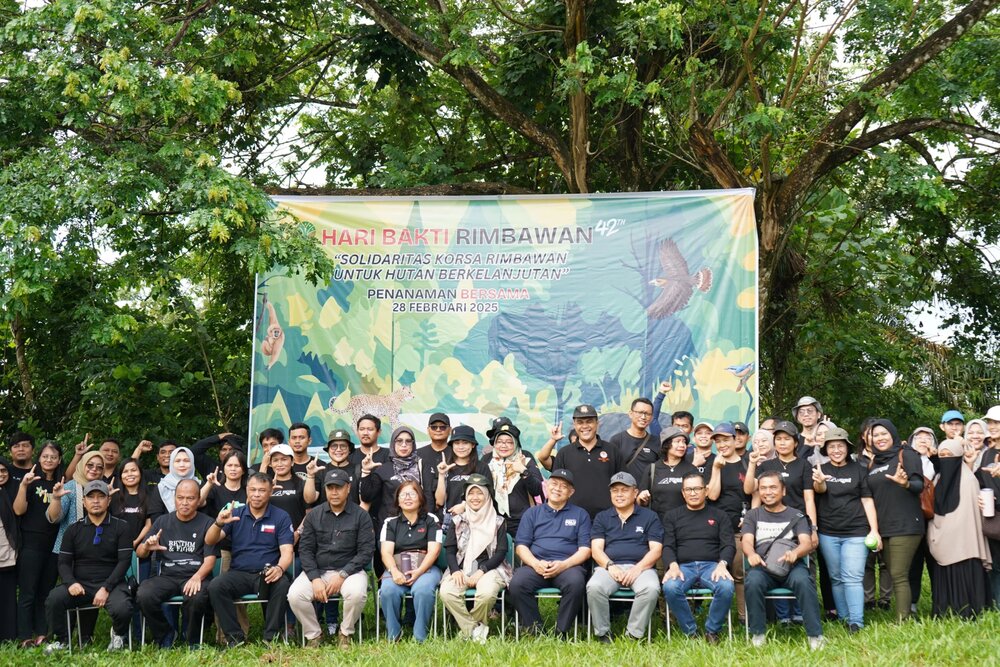
The Bagan Kuala initiative is designed with multiple objectives. Ecologically, it aims to restore mangrove forests that protect the shoreline from erosion, provide habitat for fish and other wildlife, and strengthen the resilience of coastal ecosystems to climate impacts. Socio‑economically, it supports community empowerment by linking conservation to new livelihood opportunities. The programme is integrated with ecotourism development, waste-management education, and training for residents—particularly women and youth—in skills such as eco-printing, sustainable tourism services, and mangrove-based small enterprises. In this way, environmental restoration and economic development are treated as two sides of the same coin.
These coastal efforts are closely connected to USU’s work on land-based ecosystems. At Bekala Campus, the Faculty of Forestry and the Institute for Community Service (LPPM) routinely use the arboretum and surrounding forest as a living classroom for both students and community partners. Reforestation activities using native tree species, environmental education visits, and joint planting events bring together academics, students, and local residents to rehabilitate degraded land and strengthen green buffers around the campus. These arboretum-based programmes emphasise land stewardship and biodiversity protection, helping participants understand how healthy forests support water regulation, soil stability, and wildlife habitat.
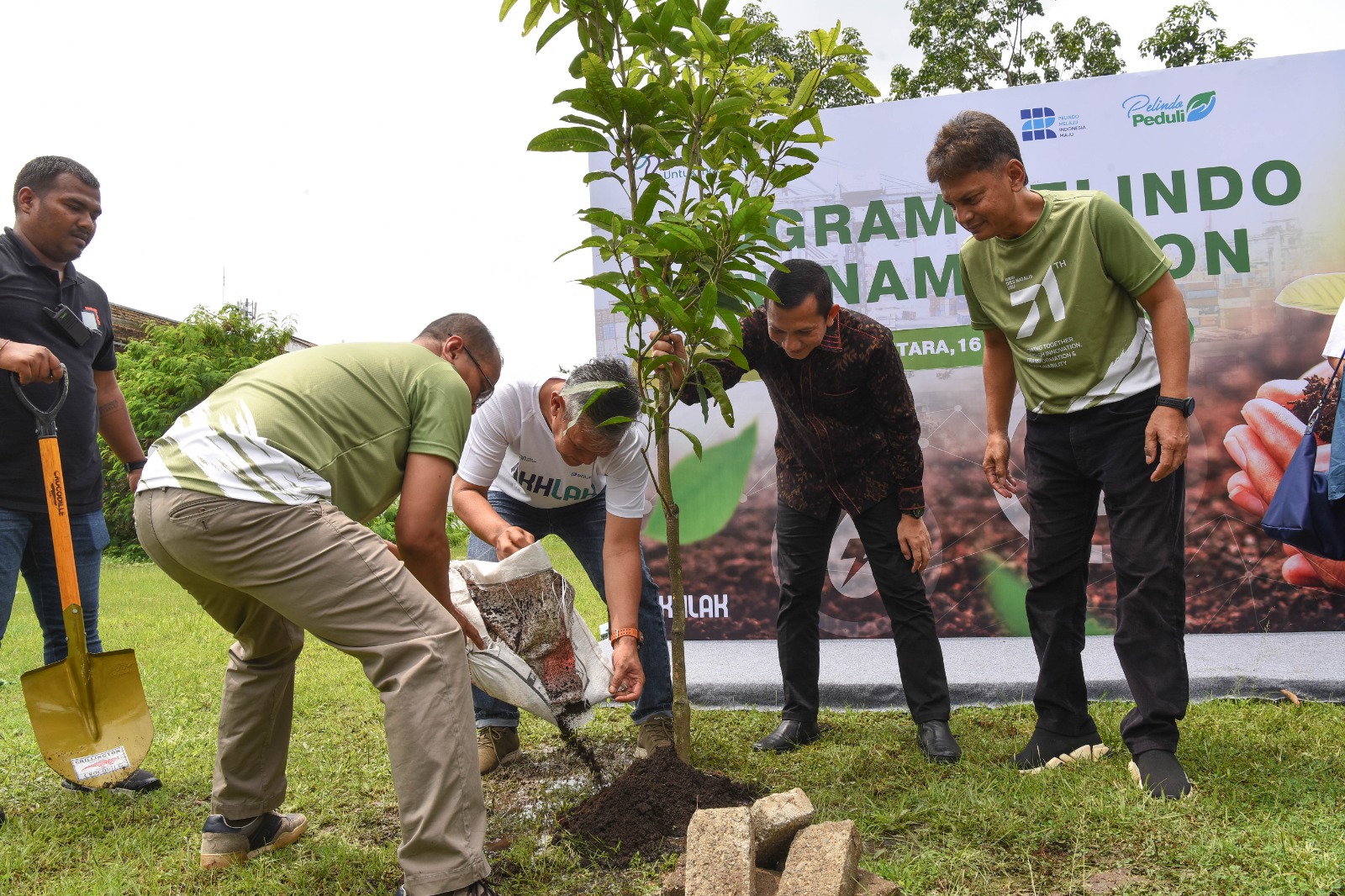
Across all of these initiatives, USU’s approach is rooted in collaboration and shared responsibility. Environmental projects are planned and implemented with community input, not simply delivered to communities as external interventions. LPPM coordinates with village governments, local NGOs, and provincial agencies to ensure that activities respond to local needs while also supporting broader sustainability targets. Monitoring of social and environmental impacts feeds back into planning processes, so that lessons learned in places like Bekala and Bagan Kuala can inform future programmes and regional policy discussions.
These partnerships are also tightly linked to USU’s academic mission. Faculty of Forestry, Agriculture, and Environmental Sciences integrate field experiences from Bekala, Bagan Kuala, and other sites into their teaching and research. Students are encouraged to see themselves not just as observers, but as contributors to real-world solutions—designing planting schemes, helping document ecological change, and working with communities to co-create sustainable land and coastal management practices.
By actively collaborating with local communities, alumni networks, NGOs, and government agencies, Universitas Sumatera Utara demonstrates a clear institutional commitment to ecosystem preservation that reaches well beyond campus boundaries. The mangrove planting in Bagan Kuala, combined with arboretum-based education and reforestation initiatives at Bekala, illustrates how the university combines science, education, and community empowerment to protect shared landscapes. These efforts show that for USU, being a Green Campus is not only about managing its own estate responsibly, but also about standing alongside communities to safeguard life on land and build a sustainable future together.