


.webp)
Medan, (November 02, 2024) - Universitas Sumatera Utara (USU) is accelerating its transition to a low‑carbon campus with a portfolio of measures that ties building design, digital oversight, and renewable generation to measurable reductions in energy use and emissions. Guided by a stated ambition to achieve carbon neutrality by 2029, the university is embedding efficiency standards into new construction and renovations while scaling clean‑energy pilots across its Medan campus. The program is anchored in policy—Rector’s Regulation No. 3 of 2019 on the Green Campus Movement and Circular Letter No. 1 of 2023 on environmental management and carbon neutrality—so that design choices, operations, and behavior change point in the same direction.
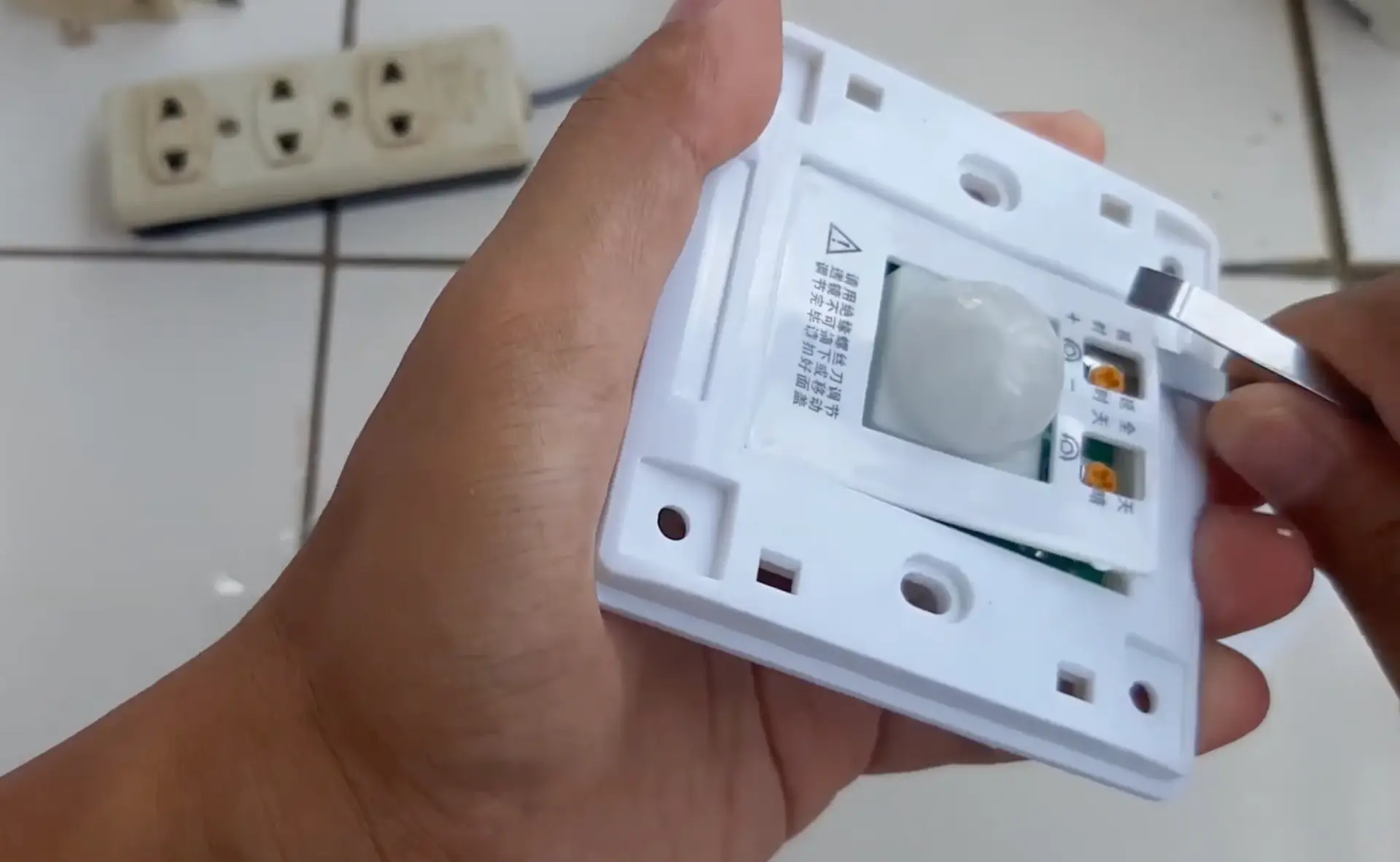
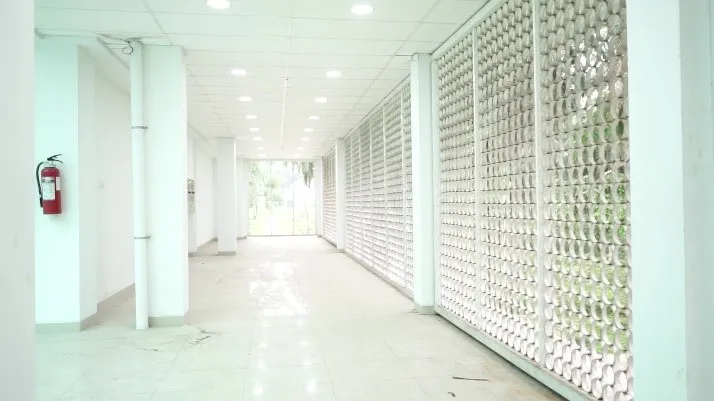
USU’s smart‑infrastructure drive now covers 83,988 m² of facilities equipped with Building Automation Systems (BAS) that manage lighting, ventilation, and safety. Timer‑controlled lights, automatic fire‑alarm systems, and centralized energy monitoring reduce waste while improving indoor environmental quality. The USU Teaching Hospital and the Information Systems Center illustrate the approach: building envelopes and interiors are planned for natural daylighting, and passive‑cooling features—such as hot attic chimney systems and air‑pressure ventilation—lower reliance on artificial lighting and mechanical cooling during peak hours. The emphasis is practical: conserve first through design and controls; then supply remaining loads with clean power.
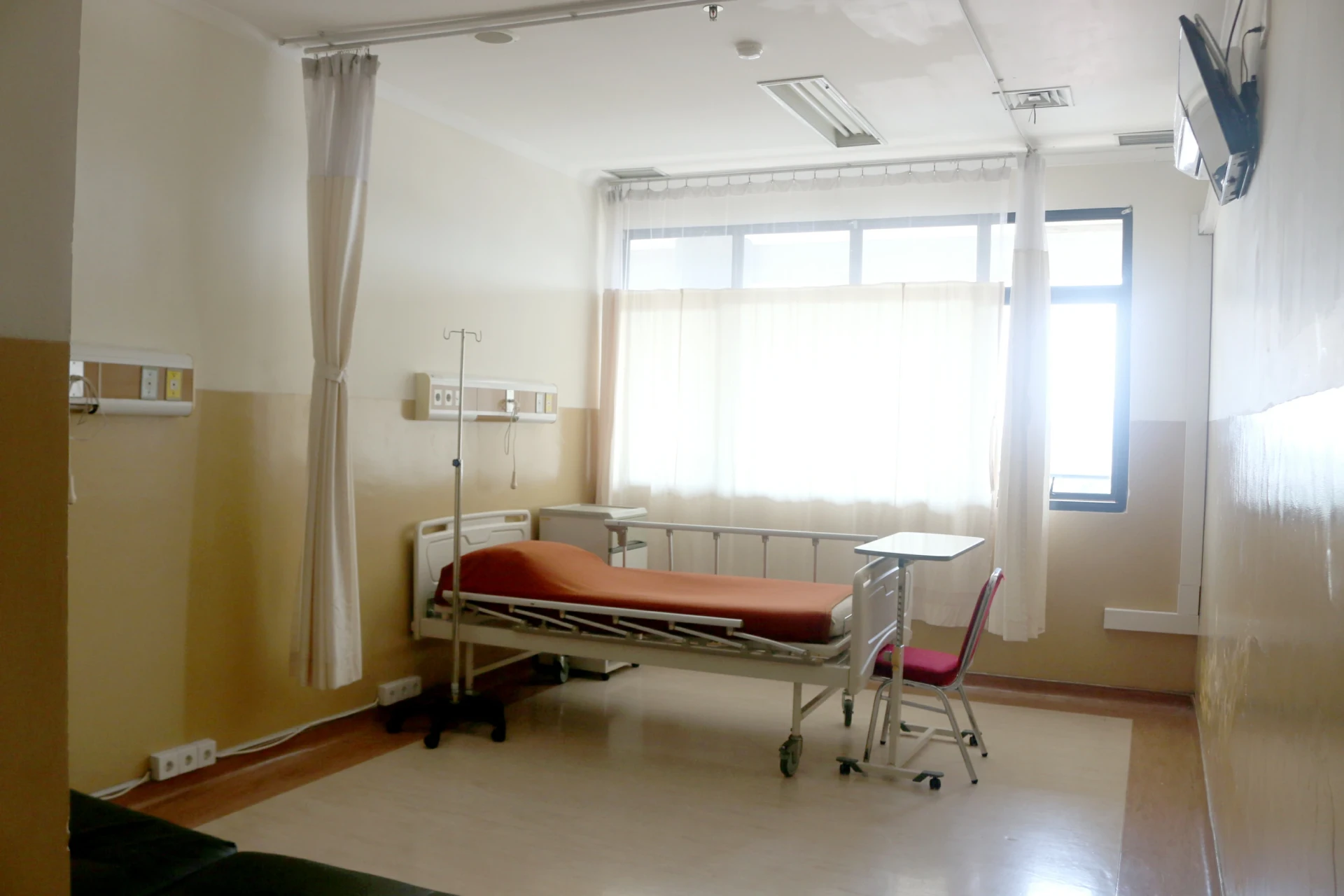
Green‑construction principles complement the digital layer. Many campus buildings use cantilevered floors and shaded courtyards to limit heat gain; in typical conditions, these measures reduce surface temperatures by up to 3°C. At the Teaching Hospital, a 1:1 courtyard height ratio with a grassed interior encourages natural airflow and lowers micro‑climate temperatures—improving occupant comfort and trimming energy demand. These passive features are locally appropriate to Indonesia’s tropical climate and are now informing the briefs for new projects and renovations.
.webp)
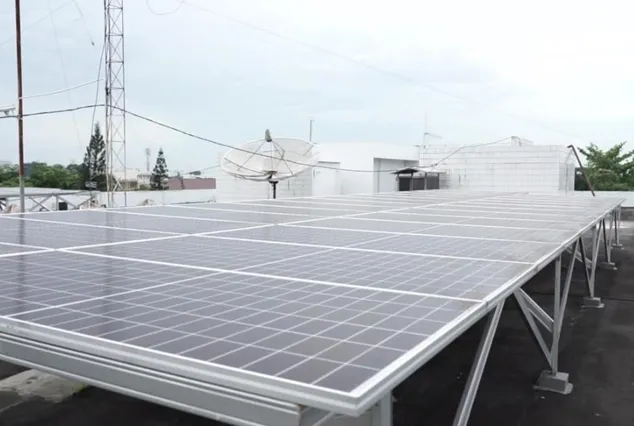
On the supply side, USU is expanding a diversified set of renewable‑energy sources. By 2024, rooftop solar PV, solar street lighting, and solar‑powered charging stations in student areas and shuttle‑bus shelters were supplemented by small wind and water turbines. In total, these systems generated 14,873.76 kWh of clean electricity per year—about 1.85% of the campus’s 803,081 kWh annual consumption—while pilots in biomass pyrolysis and a Picohydro installation demonstrated pathways to convert organic and hydrological resources into low‑carbon energy. Although the renewable share remains modest, university planners treat these figures as a baseline for scaled deployment as costs fall and siting data improve.
Measured savings inform retrofit standards. An energy‑audit simulation for the Student Center (Gelanggang Mahasiswa) showed that upgrading from split air‑conditioning units to a Variable Air Volume (VAV) system would cut electricity use by 41%, lowering monthly consumption from 7,760 kWh to 4,573 kWh. Findings like these are being translated into campus‑wide specifications for new builds and renovations, shifting procurement toward systems that deliver verifiable efficiency gains over their life cycle.
Oversight is increasingly data‑driven. Under the Energy and Climate Team, USU employs ICT‑based dashboards to track renewable output and building performance in near‑real time. Hoboware solar‑radiation tracking and GIS mapping support site selection for future installations and help verify that expected yields and savings materialize after projects are commissioned. The intent is transparency and accountability: evidence guides investment decisions; data validate outcomes.
The emissions profile reflects these shifts. In 2024, USU reported a total carbon footprint of 734.29 metric tons CO₂, equal to 0.0156 tons per person per year—among the lowest per‑capita figures reported by Indonesian universities. Mitigation efforts span campus operations: electric vehicles for select transport needs, retention ponds that moderate micro‑climate and manage stormwater, eco‑brick and enzyme initiatives that reduce waste, and landscape programs that include planting 10,000 mangrove trees across North Sumatra’s coastal zones to enhance sequestration and resilience.
USU’s roadmap to 2029 integrates Scope 1, Scope 2, and selected Scope 3 emissions, pairing ecological design and renewable supply with digital monitoring and community engagement. In academic terms, it is a whole‑of‑institution experiment in applied sustainability: architecture that leverages daylight and airflow; controls that curb unnecessary load; generation that offsets the remainder; and a governance model that codifies what works. In development terms, the effort advances SDG 7 (Affordable and Clean Energy) and SDG 13 (Climate Action) by turning policy into operations and evidence into standards.
The result is less a single project than a living framework. As retrofits scale and monitoring deepens, USU expects efficiency and renewable shares to rise, cost curves to improve, and emissions to continue falling. More importantly, the campus becomes a teaching tool in its own right—demonstrating to students, staff, and partners how design choices and disciplined operations can accelerate a fair, feasible transition to a low‑carbon future.
.webp)