


Medan, Indonesia — 2024 – Universitas Sumatera Utara (USU), as a State University with Legal Entity (PTN‑BH), is strengthening its model of inclusive and accountable governance by ensuring that academic staff and wider stakeholders are formally represented in its highest decision‑making bodies through open and democratic elections.
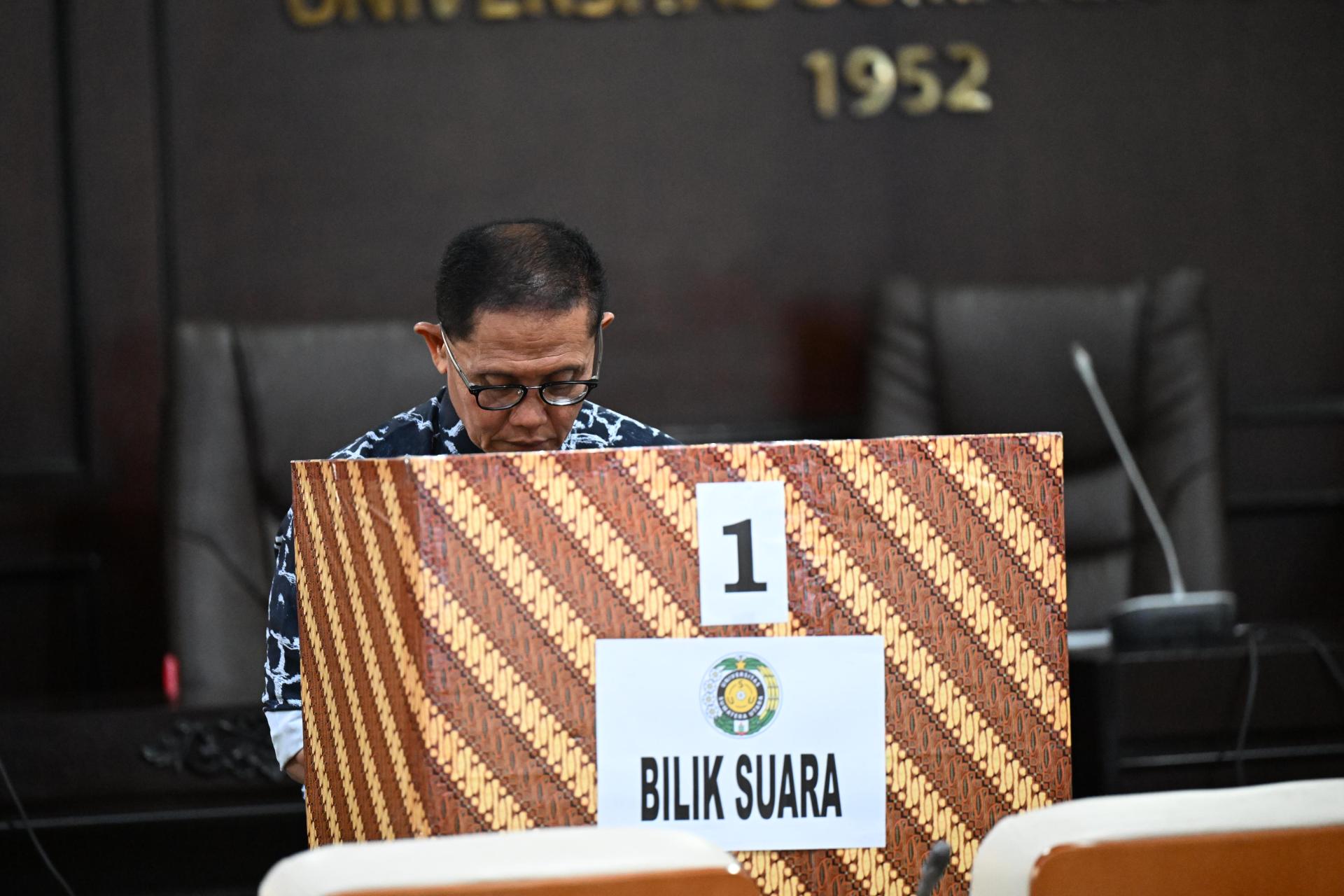
The election process for USU’s Board of Trustees (MWA) and Academic Senate is conducted through a fair and democratic voting system
Under Government Regulation No. 16 of 2014 on the Statute of USU, the Majelis Wali Amanat (MWA) / Board of Trustees is defined as the university’s supreme governing body. The Board is responsible for overall policy direction, institutional strategy, and public accountability. Its membership is deliberately plural and reflects the Indonesian democratic system: it consists of representatives of the Government, representatives of the community, elected representatives of academic staff/lecturers, and public or societal representatives.
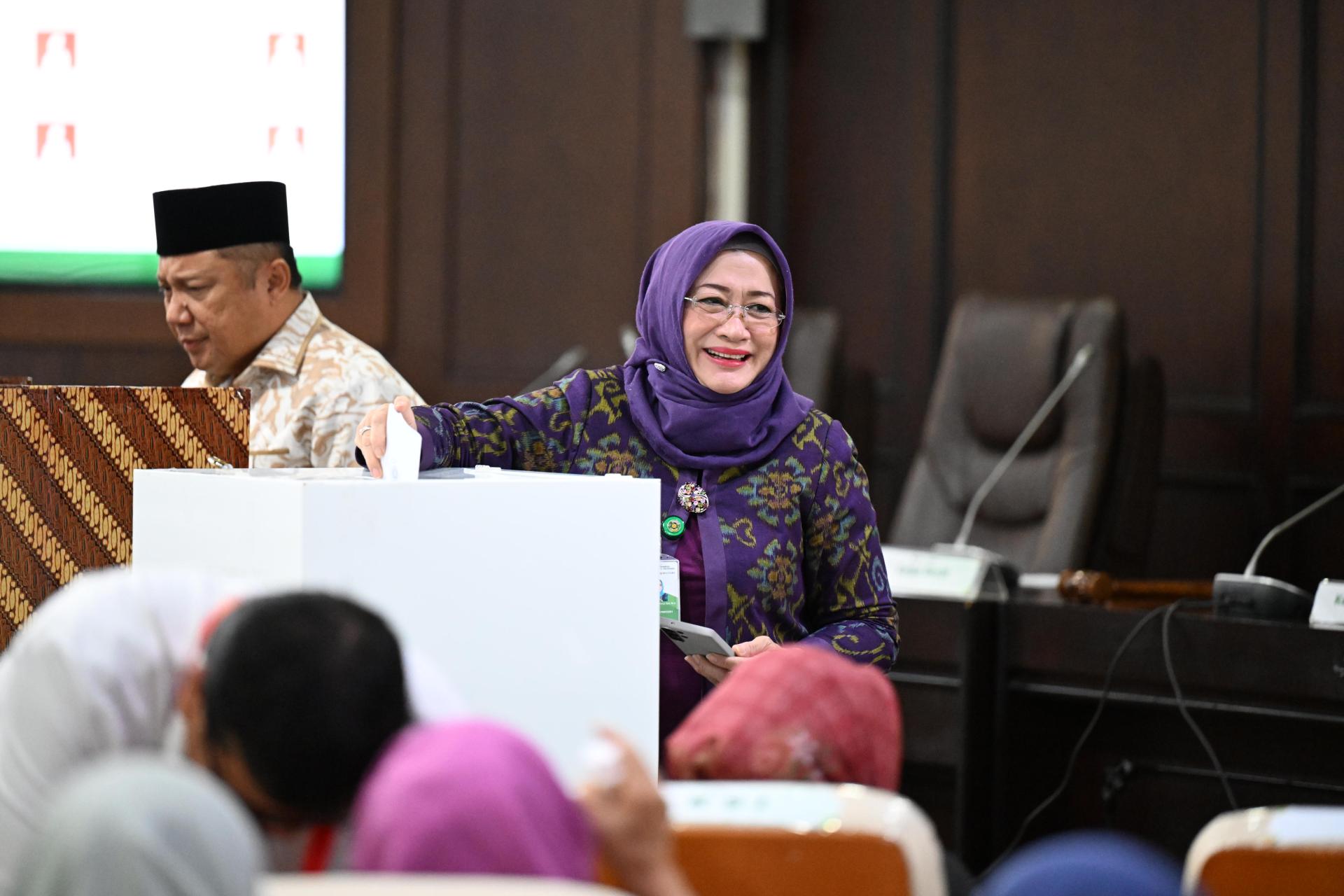
These members are selected through procedures that follow national democratic principles, ensuring that the composition of the Board is not appointed unilaterally but emerges from a participatory and transparent selection process.
Academic members of the Board of Trustees are elected through a process coordinated by the Academic Senate (Senat Akademik USU). Eligible candidates are typically senior academics such as professors, deans, and heads of research institutions. In the 2023–2024 term, several professors with recognised contributions to national education and research policy sit on the Board, bringing their expertise in curriculum, research strategy, and quality assurance into institutional decision‑making. Their presence helps ensure that strategic choices remain aligned with academic freedom, integrity, and educational excellence.
.png)
Members of USU’s Board of Trustees (MWA) and Academic Senate are publicly listed on the official USU website, ensuring transparency and accessibility for the academic community.
Inclusive governance at USU does not stop at the Board of Trustees. Within the Academic Senate and key university committees, representation is broadened further. Academic staff, faculty representatives, administrative personnel and staff representatives are involved in deliberations on academic regulations, development plans, and campus policies. This arrangement provides structured channels for the wider university community to contribute to formal decision‑making and to have their perspectives heard.
By combining elected representation, clear legal mandates, and open deliberation, USU demonstrates a strong commitment to Good University Governance. Policies are shaped with input from those who teach, conduct research, manage services, and represent the public interest. This participatory framework directly supports SDG 16 (Peace, Justice and Strong Institutions) by promoting transparency, fairness, and trust in how the university is governed.
Through this model, Universitas Sumatera Utara shows that university autonomy can go hand in hand with accountability. Leadership is strong, but it is also answerable to a community of peers and stakeholders, illustrating how a modern university can live out the values of justice, integrity, and inclusion in its own governance structure.