


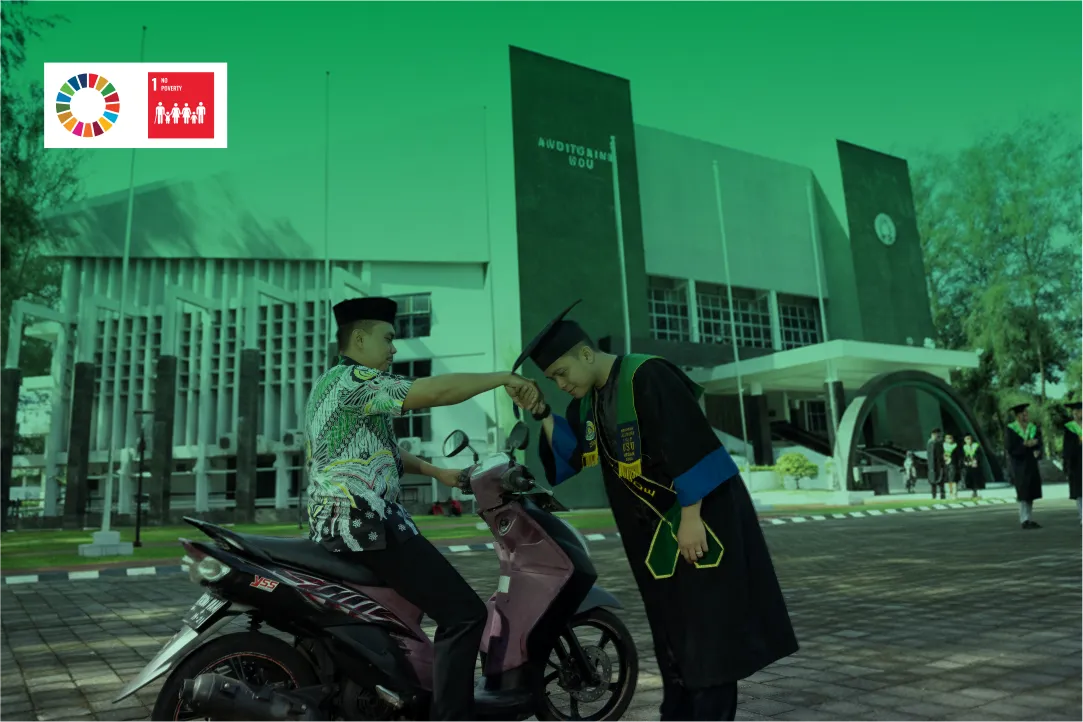
Medan, (February 19, 2024) — Universitas Sumatera Utara (USU) is deepening its commitment to social inclusion and poverty reduction by prioritizing access and completion for students from low‑income families, especially those in the bottom 20 percent of Indonesia’s household‑income distribution. Through a suite of financial‑assistance programs—chiefly the Kartu Indonesia Pintar (KIP) Kuliah Merdeka scheme—USU lowers financial barriers and pairs funding with academic oversight to support on‑time graduation.
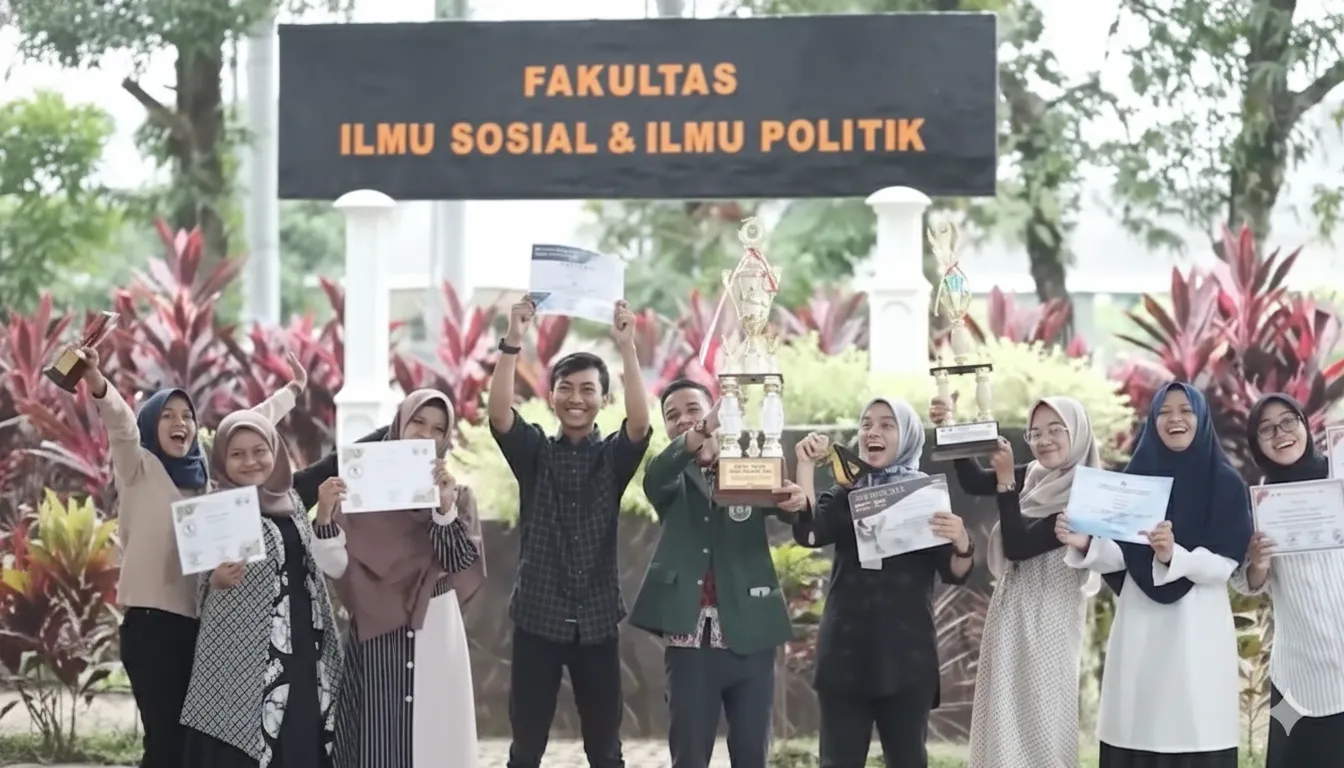
In 2024, USU admitted 6,636 KIP Kuliah students, equivalent to about 16% of the university’s 41,570 students. The program covers full tuition and a monthly living allowance for up to eight semesters, contingent on satisfactory academic progress. KIP Kuliah targets applicants from households below the national poverty threshold and registered in the Data Terpadu Kesejahteraan Sosial (DTKS), Indonesia’s integrated database for social‑welfare recipients.
Comprehensive Support to Ensure Success
To move beyond access and secure completion, USU—working with the Directorate General of Higher Education (DIKTI)—monitors recipients through semester‑based academic evaluations, GPA tracking, and personal counseling. The Student Welfare and Counselling Division provides continuous mentoring and remedial programs that address academic and non‑academic challenges commonly faced by low‑income students.

Graduation Outcomes
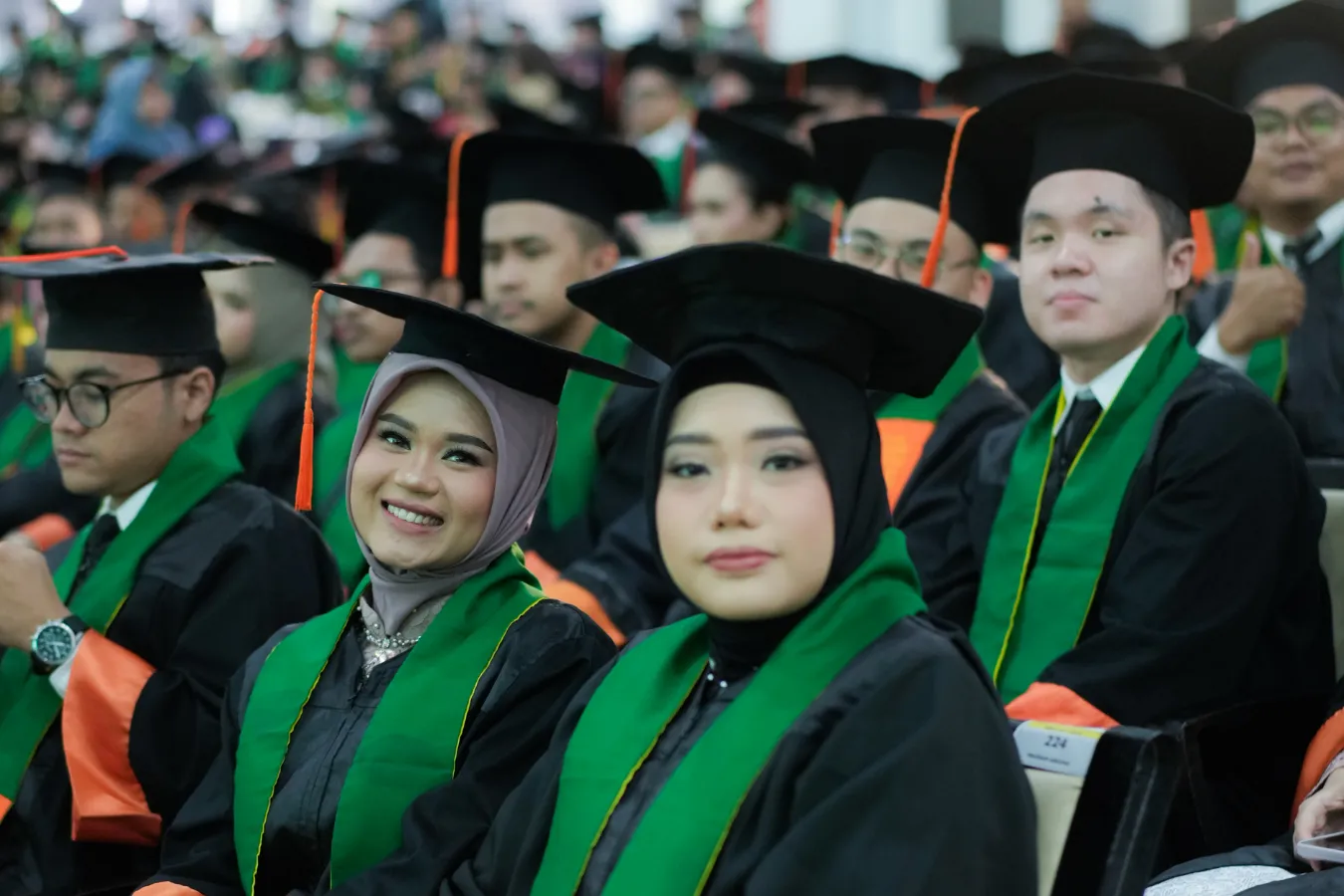
USU conferred degrees on 9,800 students in 2024 across undergraduate, postgraduate, and professional programs. Approximately 1,200 graduates were beneficiaries of financial‑aid schemes, including KIP Kuliah, Bantuan Belajar Mahasiswa (BBM), and Baznas scholarships. Notably, more than 85% of KIP Kuliah recipients completed their studies within the designated period, with an average GPA of 3.40—indicating strong academic performance despite financial constraints.
Policy Alignment and SDG Contribution
These outcomes align with USU’s Rencana Strategis (Renstra) 2020–2024, which prioritizes high graduation rates for socioeconomically disadvantaged students, and contribute directly to the United Nations Sustainable Development Goals—notably SDG 1 (No Poverty) and SDG 4 (Quality Education). By integrating financial support, academic monitoring, and welfare services, USU ensures that expanded access translates into tangible academic success, professional opportunities, and long‑term social mobility.

Sources: Ditmawalumni Annual Report 2024; LAKIP USU 2024; Biro SDM USU 2024.