


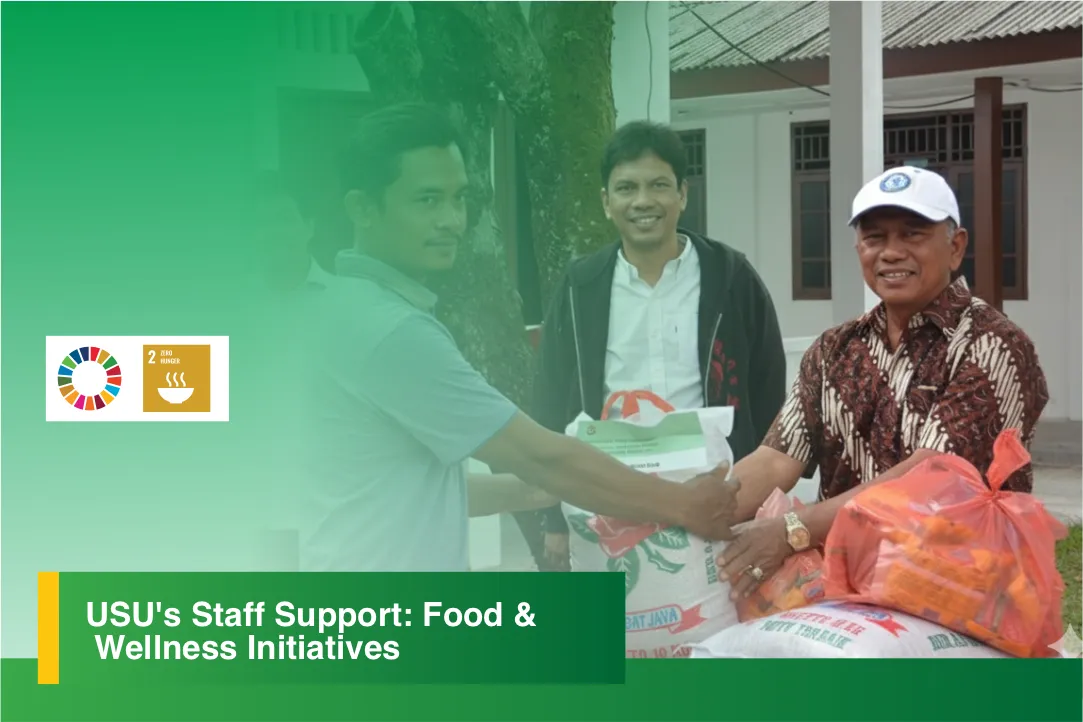
Medan, 2024. Universitas Sumatera Utara (USU) is reinforcing its commitment to staff well‑being through a comprehensive system of food assistance, financial support, and community‑based programmes. Together, these efforts promote health, equity, and food security for employees and are closely aligned with Sustainable Development Goal (SDG) 2: Zero Hunger.
Institutional commitment to staff welfare
On the basis of a formal Rector’s decree, USU has introduced a daily meal allowance as a core element of staff welfare benefits. Under this policy, all eligible employees receive a monthly meal allowance of Rp 450,000 to Rp 500,000, which is equivalent to around Rp 25,000 per day.
The Bureau of Human Resources Universitas Sumatera Utara reviews this allowance each year to ensure that it remains fair and sufficient amid changing food prices and living costs. This structured support enables both academic and non‑academic staff to maintain consistent access to nutritious meals.
Food assistance during religious holidays
To further support staff and their families, USU distributes holiday food hampers during major religious and cultural celebrations, including Ramadan, Eid al‑Fitr, and Christmas.
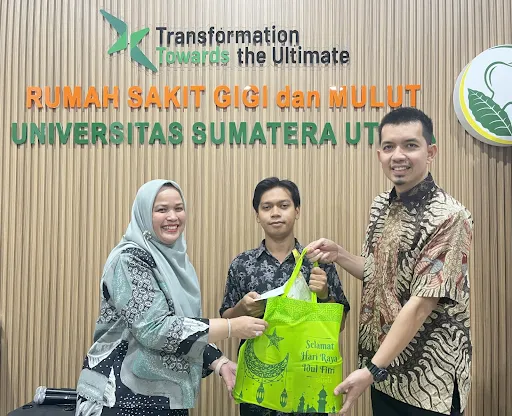
In 2024, the Welfare Division, Bureau of Human Resources Universitas Sumatera Utara allocated more than Rp 2.3 billion for these hampers. Each package typically includes rice, sugar, cooking oil, canned goods, and other essential food items. This initiative helps ease the financial burden on employees during festive seasons and reinforces a culture of solidarity and care within the university.
Shared meals and campus events
USU also builds a sense of inclusivity and togetherness by providing shared meals at university‑wide events. Staff members receive free meals during key occasions such as:
USU’s Dies Natalis (University anniversary)
Independence Day (17 August) gatherings
Academic ceremonies
Award events
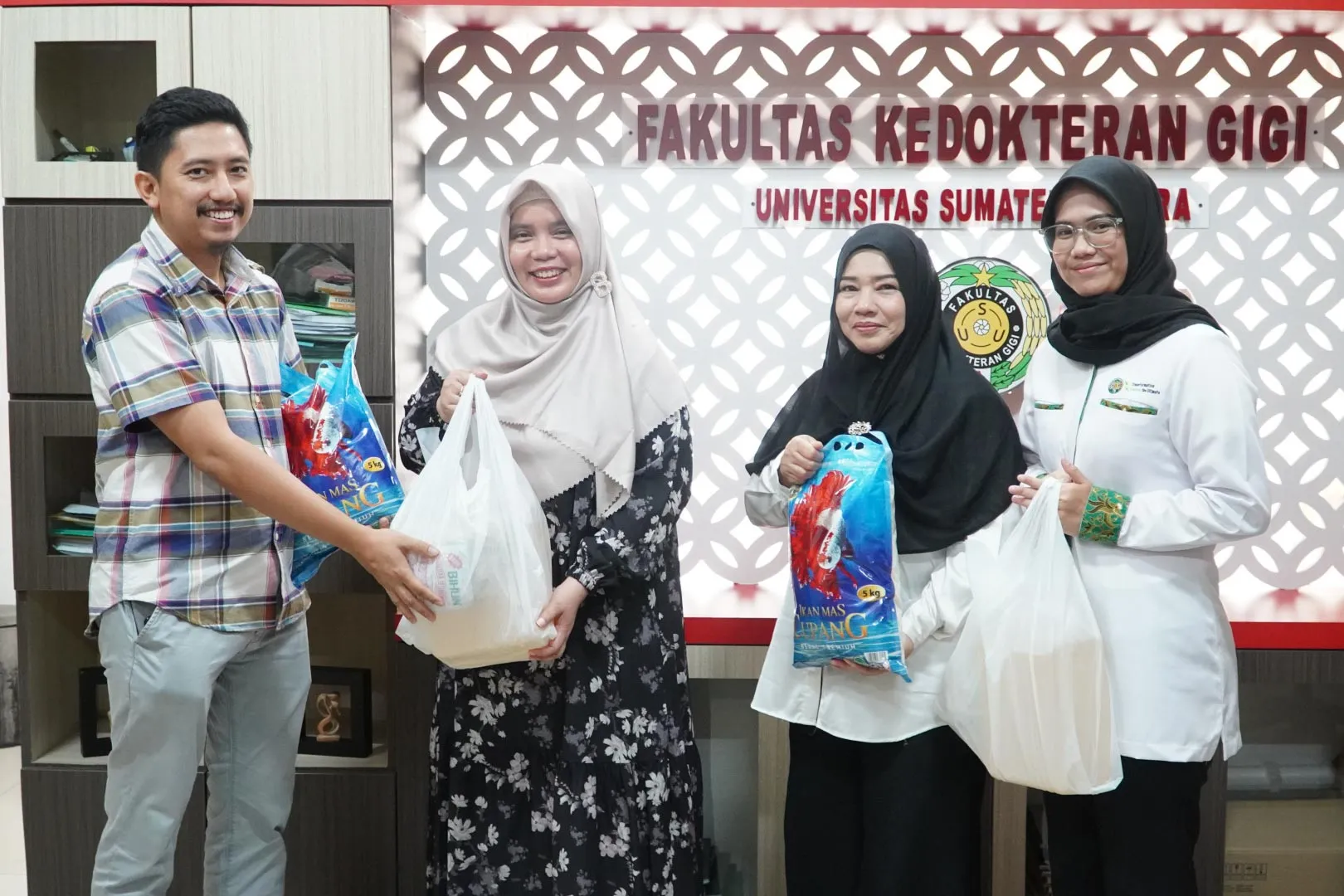
These shared meals strengthen community bonds and ensure that all staff—regardless of position or income level—have equal access to food and nutrition.
In addition, the university’s “Jumat Berkah” (Blessed Friday) programme offers free lunch packages every Friday to both students and staff, including non‑permanent workers and security personnel. In 2024, this initiative distributed approximately 18,000 meal packages.
Affordable dining and sustainable practices
As part of its Healthy and Affordable Canteen Policy, USU operates 17 officially registered canteens that serve more than 12,000 meals per day at accessible prices, typically between Rp 8,000 and Rp 15,000 (about USD 0.50 to 1.00).
All vendors must meet standards for nutritional balance, food hygiene, and fair pricing, under the supervision of the Faculty of Public Health and the Green Campus Team (UIGM USU).
USU’s main dining venue, Café Talenta USU, applies the same principles. Meals are prepared and served according to food safety protocols, and the café uses food‑grade, environmentally friendly packaging, such as paper‑based cups and biodegradable containers. These practices support the university’s broader sustainable campus vision.
Collaborative welfare and support mechanisms
USU’s staff welfare system is further strengthened through collaboration between the Bureau of Human Resources (SDM), Baznas USU, and the Employee Cooperative (Koppeg USU):
Baznas USU provides monthly zakat‑based assistance to lower‑income staff, including cleaning and security personnel.
.webp)
source: instagram.com/ditmawaalumni.usu
Koppeg USU offers affordable staple foods and household goods at subsidised prices for more than 900 active members.
Together, these mechanisms help prevent food insecurity and support economic stability for employees across all job categories.
Building a culture of solidarity and food security
By combining structured financial support, food assistance programmes, and shared‑meal traditions, USU ensures that staff have reliable access to nutritious and affordable food. This reflects a holistic approach to staff well‑being that brings together economic, social, and spiritual dimensions of care.
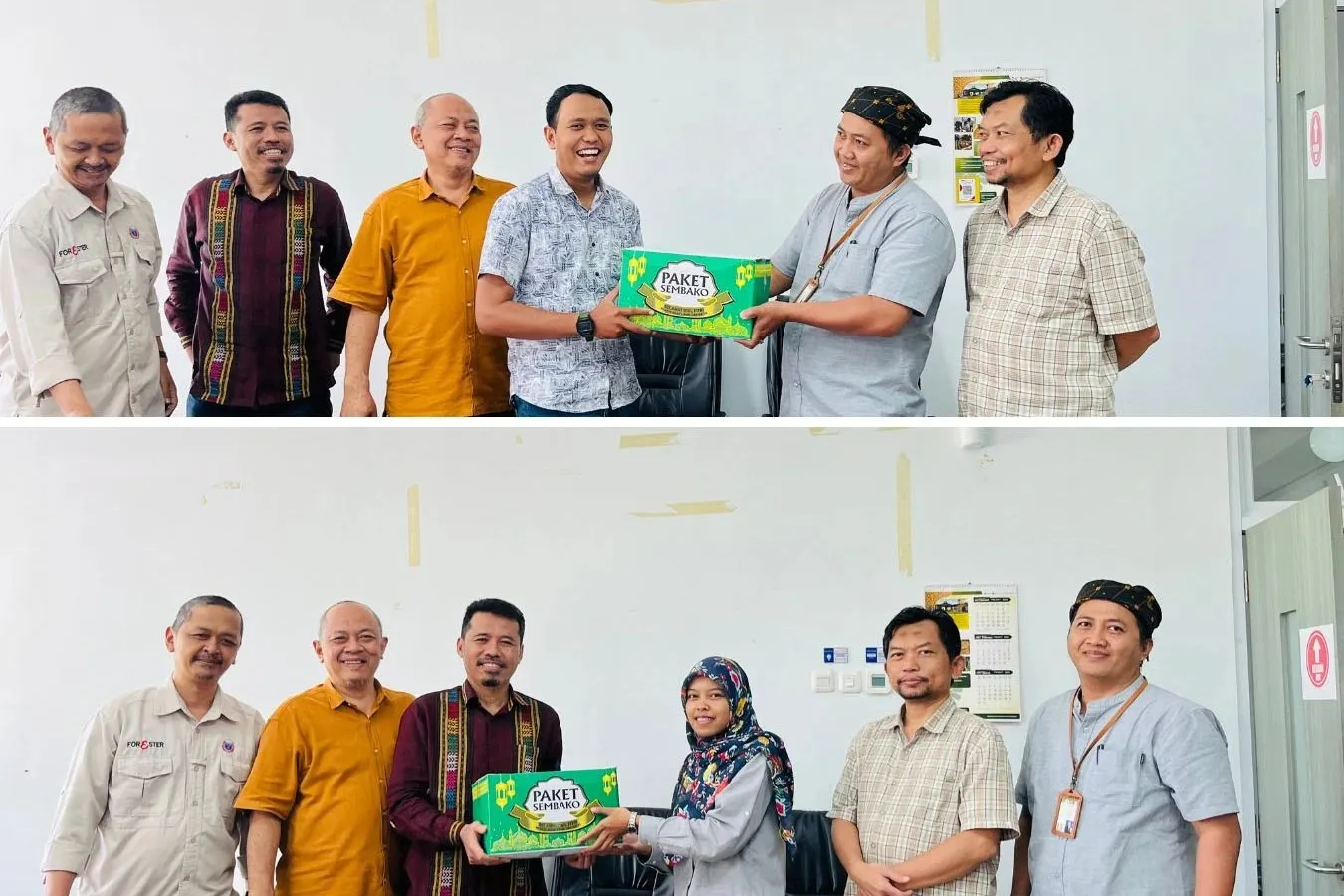
By embedding food assistance within its institutional welfare policies, Universitas Sumatera Utara actively advances SDG 2 (Zero Hunger), addressing both immediate food needs and long‑term goals for sustainable food security and social responsibility on campus.