


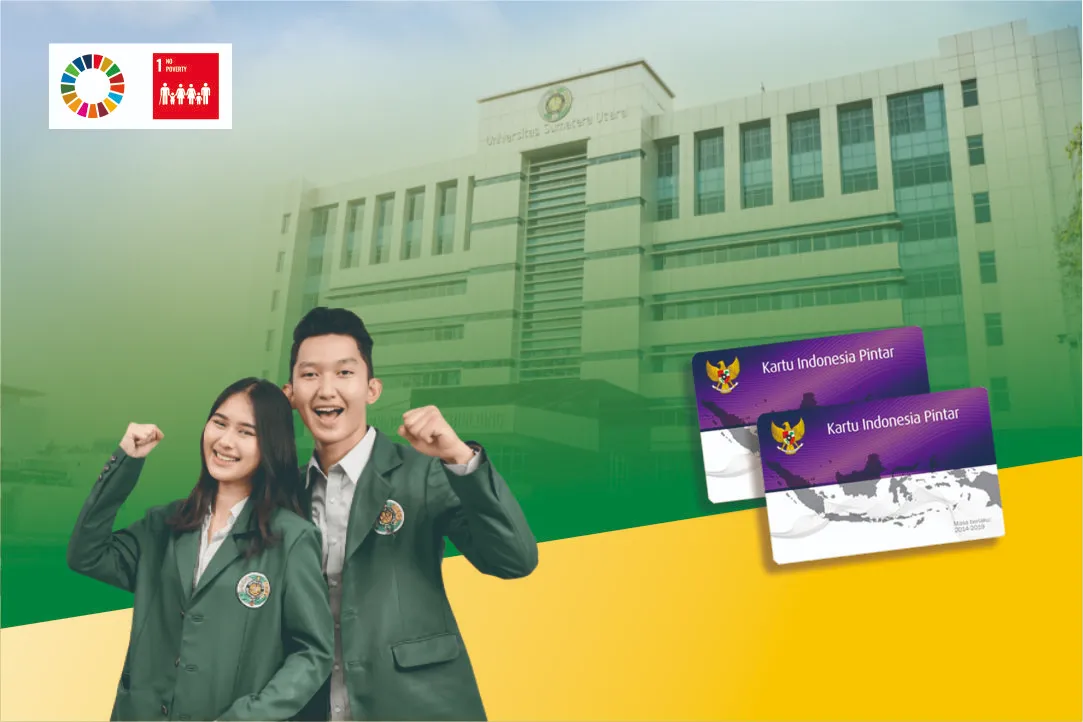
Medan, (January 21, 2024) – Universitas Sumatera Utara (USU) is expanding its financial‑aid portfolio to ensure equitable access for students from low‑income families. In 2024, USU supported 8,250 students across public, private, and university‑funded schemes—about 19.8% of its 41,570 students based on internal calculations—underscoring the university’s commitment to social inclusion and poverty reduction through higher education.
USU has sustained an upward trend in both the scale and diversity of student assistance since 2022. Coverage has remained above one‑sixth of total enrollment for three consecutive years, indicating a durable institutional focus on equity and social mobility.
Expanded Access via Multi‑Source Support
The largest share of recipients—6,636 students—benefited from the national Kartu Indonesia Pintar (KIP) Kuliah program, which targets learners from the bottom 40 percent of household incomes. The scheme covers full tuition and provides a living stipend for eight semesters, enabling students to meet both academic and daily needs without undue financial pressure.
An additional 119 students received funding through KIP Kuliah Usulan Masyarakat, prioritizing those from disadvantaged or frontier regions. Internal university support was delivered through Bantuan Belajar Mahasiswa (BBM) grants and zakat‑based Baznas scholarships. External partners—including PT Martabe, BCA, Bank Indonesia, and the Government of Labuhanbatu Utara (Labura)—contributed further aid. Specialized programs such as Beasiswa Afirmasi Pendidikan Tinggi (ADik) and Beasiswa Barista BRIN broadened access for students from remote areas and low‑income research participants.
Three‑Year Snapshot of Aid Coverage
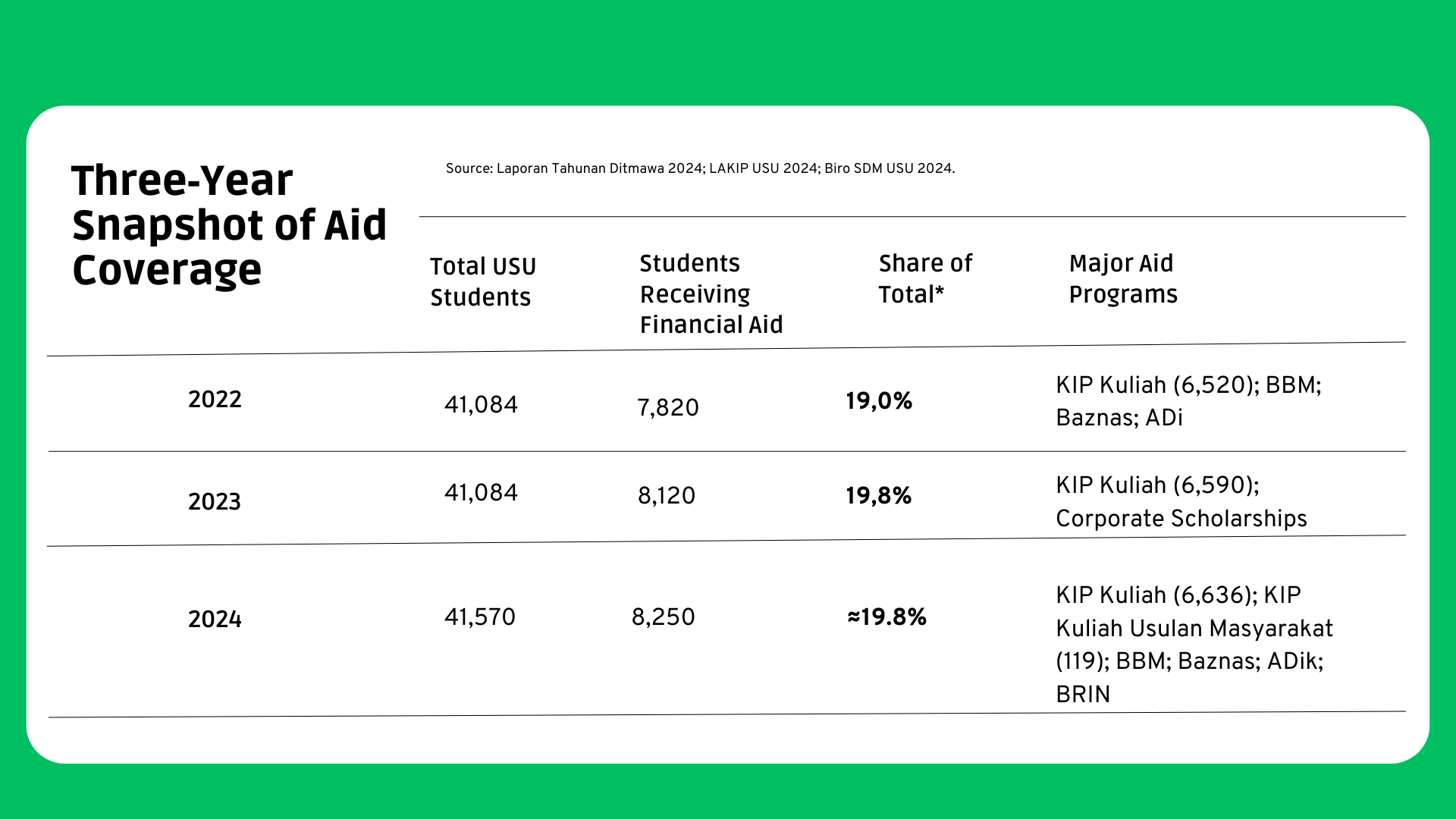
Source: Laporan Tahunan Ditmawa 2024; LAKIP USU 2024; Biro SDM USU 2024.
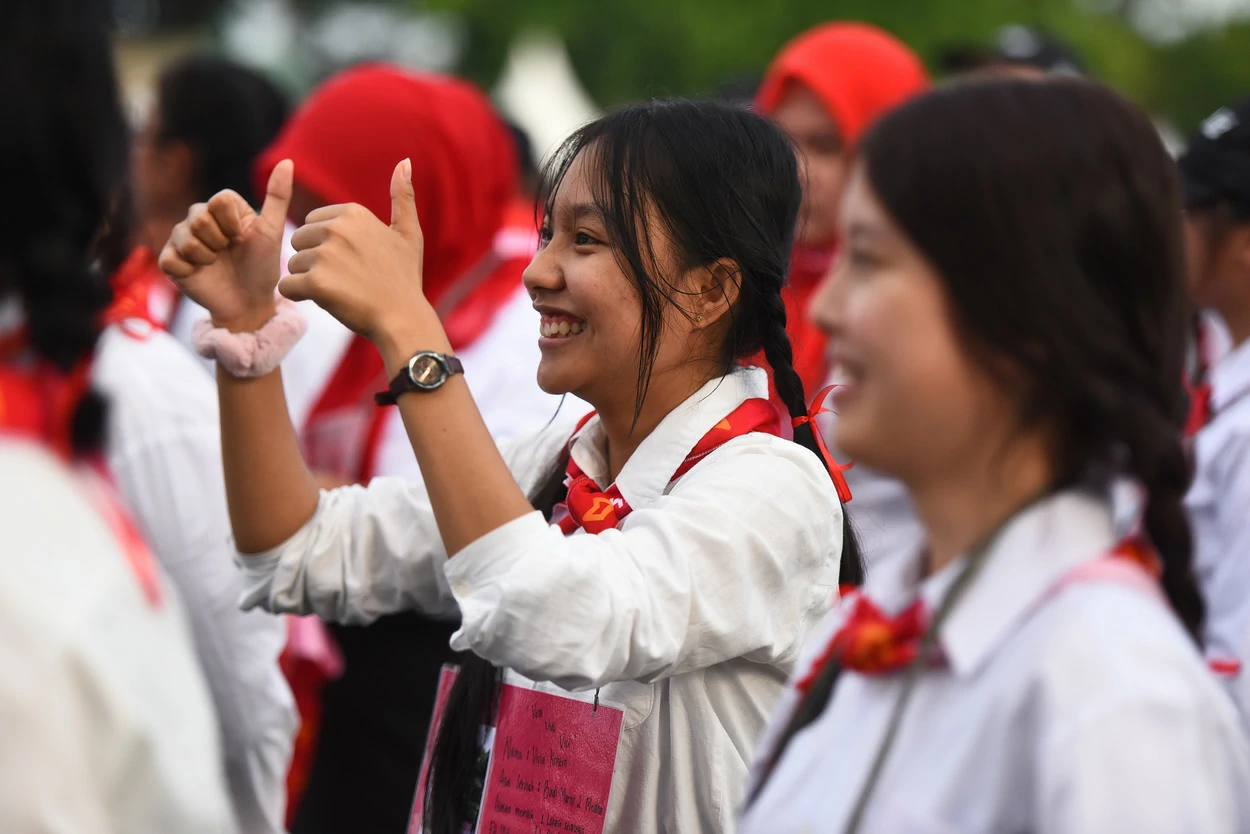
Impact on Social Mobility and SDG Alignment
Most recipients come from rural and semi‑urban districts in North Sumatra—Langkat, Simalungun, and Tapanuli—as well as other provinces across Sumatra and Eastern Indonesia. USU conducts periodic academic performance reviews for all scholarship holders to ensure accountability and maintain academic progress and on‑time graduation.
By integrating public programs, private sponsorships, and internal funds, USU enables thousands of first‑generation students to complete higher education and transition into professional careers. The multi‑stakeholder model embeds social responsibility within USU’s core mission, contributing directly to SDG 4 (Quality Education) and SDG 1 (No Poverty).
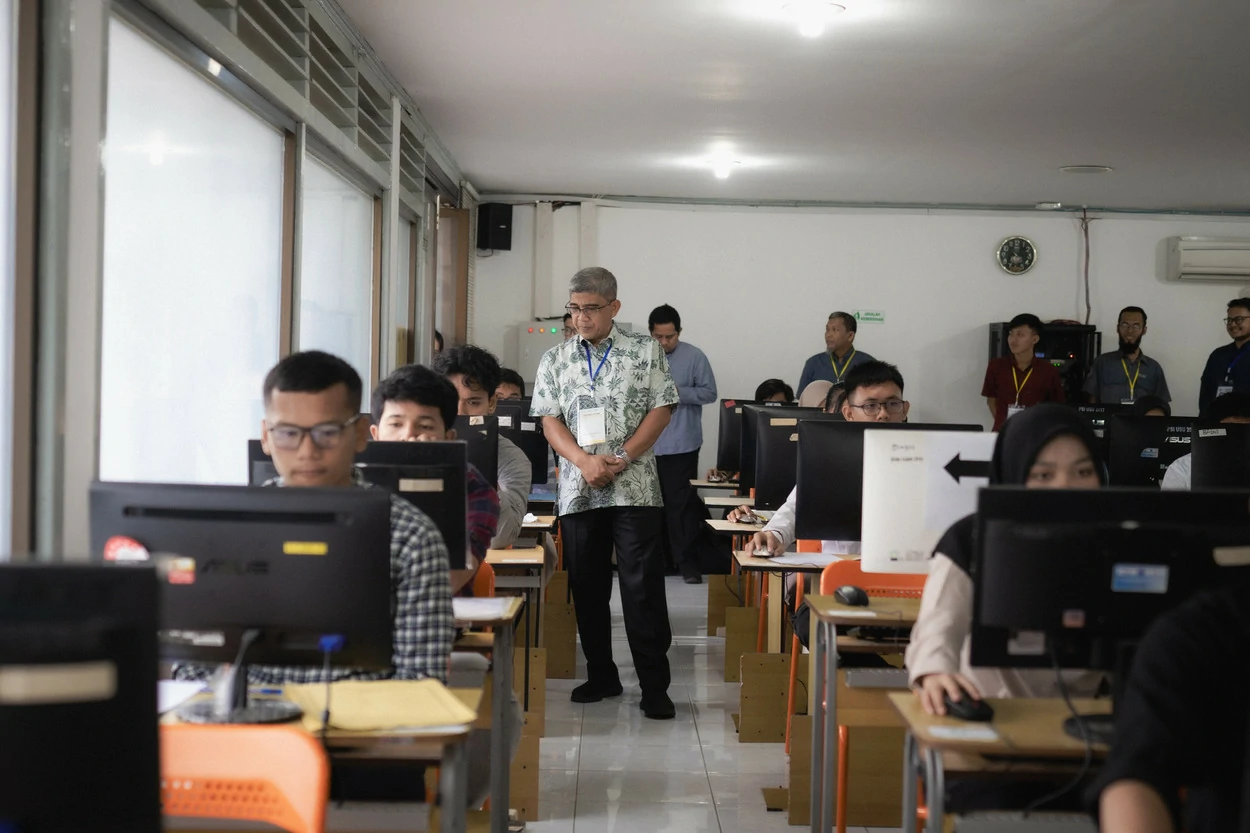
“Higher education should not be a privilege limited by economic background,” said Prof. Dr. Muryanto Amin, Rector of USU. “By ensuring that financial constraints never prevent talented young people from completing their studies, we uphold our social contract to empower the next generation.”
Sources: Ditmawa Annual Report 2024; LAKIP USU 2024; USU HR Bureau 2024.