


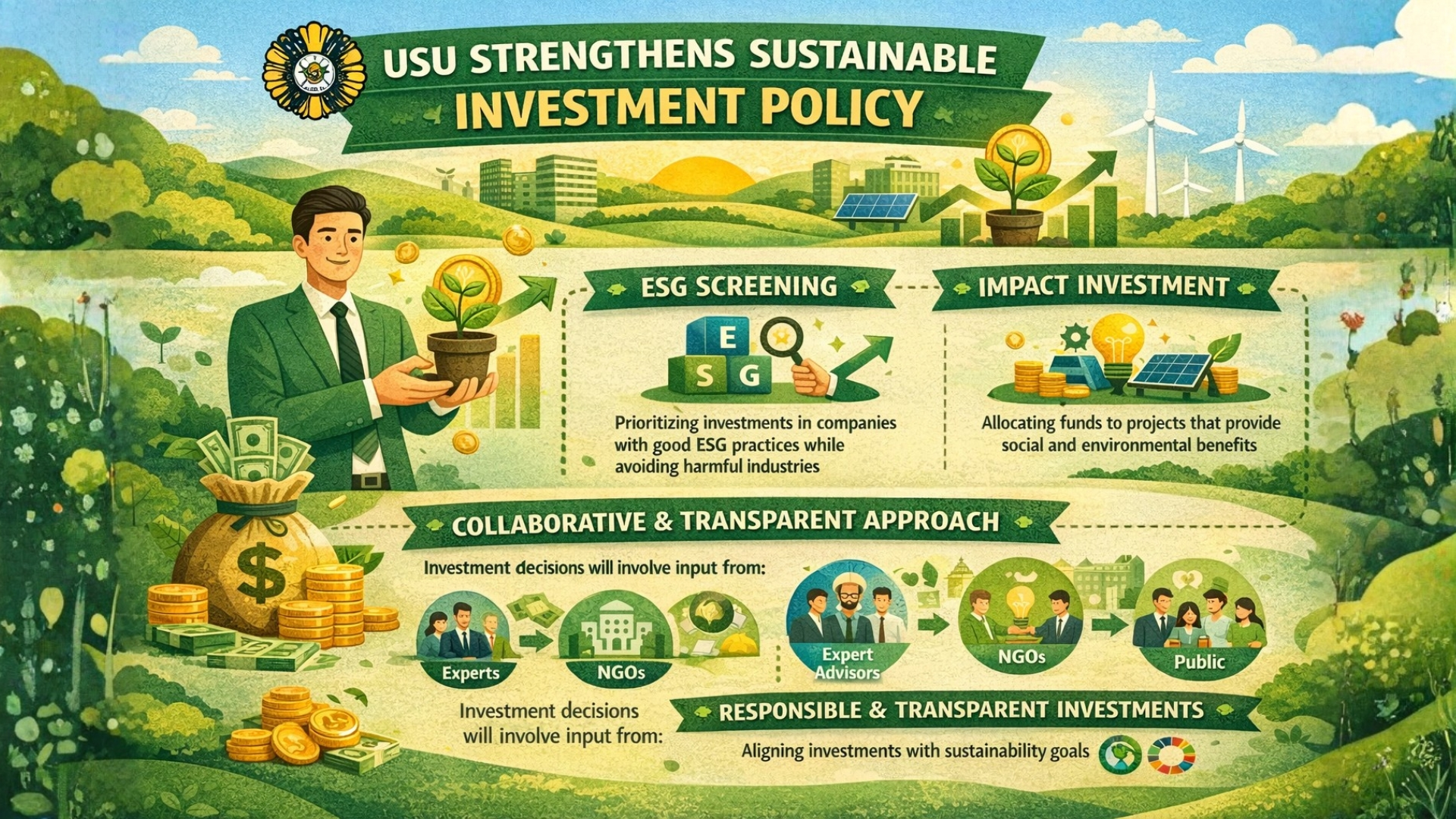
As an operational basis, the policy is strengthened through the Rector Regulation of the University of North Sumatra Number 3 of 2019 concerning the Implementation of the Green Campus Movement.
Sustainable Investment Policy of Universitas Sumatera Utara 2025
This regulation emphasizes resource efficiency, reduction of environmental impact, and the application of environmentally friendly principles in every activity, including investment. Its implementation includes energy efficiency, integrated waste management, water conservation, green open space development, and the use of environmentally friendly technology, so that every investment decision at USU always considers ecological sustainability and long-term impact.
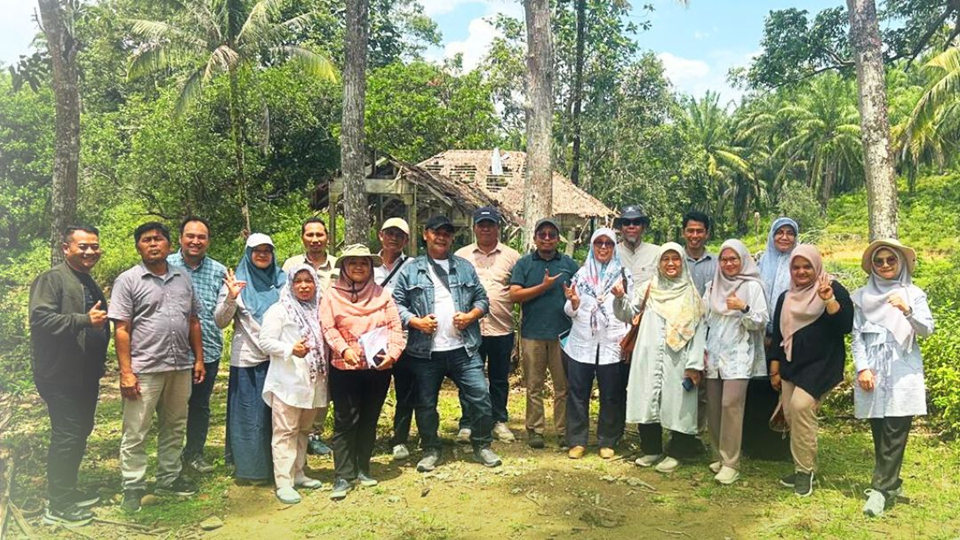
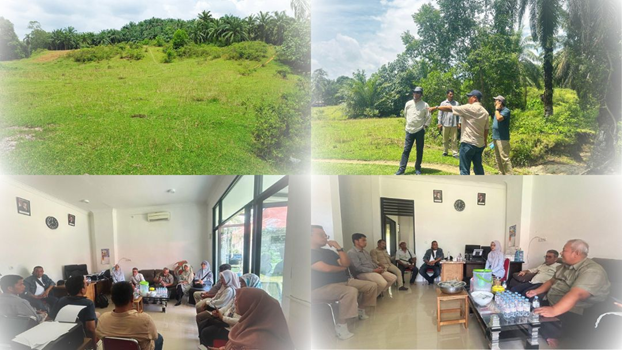
One of the tangible forms of the sustainable investment policy is realized through the optimization of the Tambunan A Experimental Garden which is a strategic asset of USU in Salapian District, Lalat Regency. With an area of about 555 hectares, this area has great potential as a center for the development of agribusiness-based businesses and agro-industries in North Sumatra. In addition to functioning as a means of education and research, this garden is also developed as an economic resource that supports the principle of sustainability. Historically, this garden was part of a university improvement project funded by the Asian Development Bank in 1983, and has been handed over to USU by the North Sumatra Provincial Government since 1981 with an initial area of 634.5 hectares, which was later adjusted to around 555.18 hectares in 2003. Until now, the Tambunan Experimental Garden has played an important role in supporting the curriculum of the Faculty of Agriculture, providing practicum facilities, lecturer research, and community service, as well as becoming a field laboratory in the development of applicative, innovative, and sustainable agricultural technology.
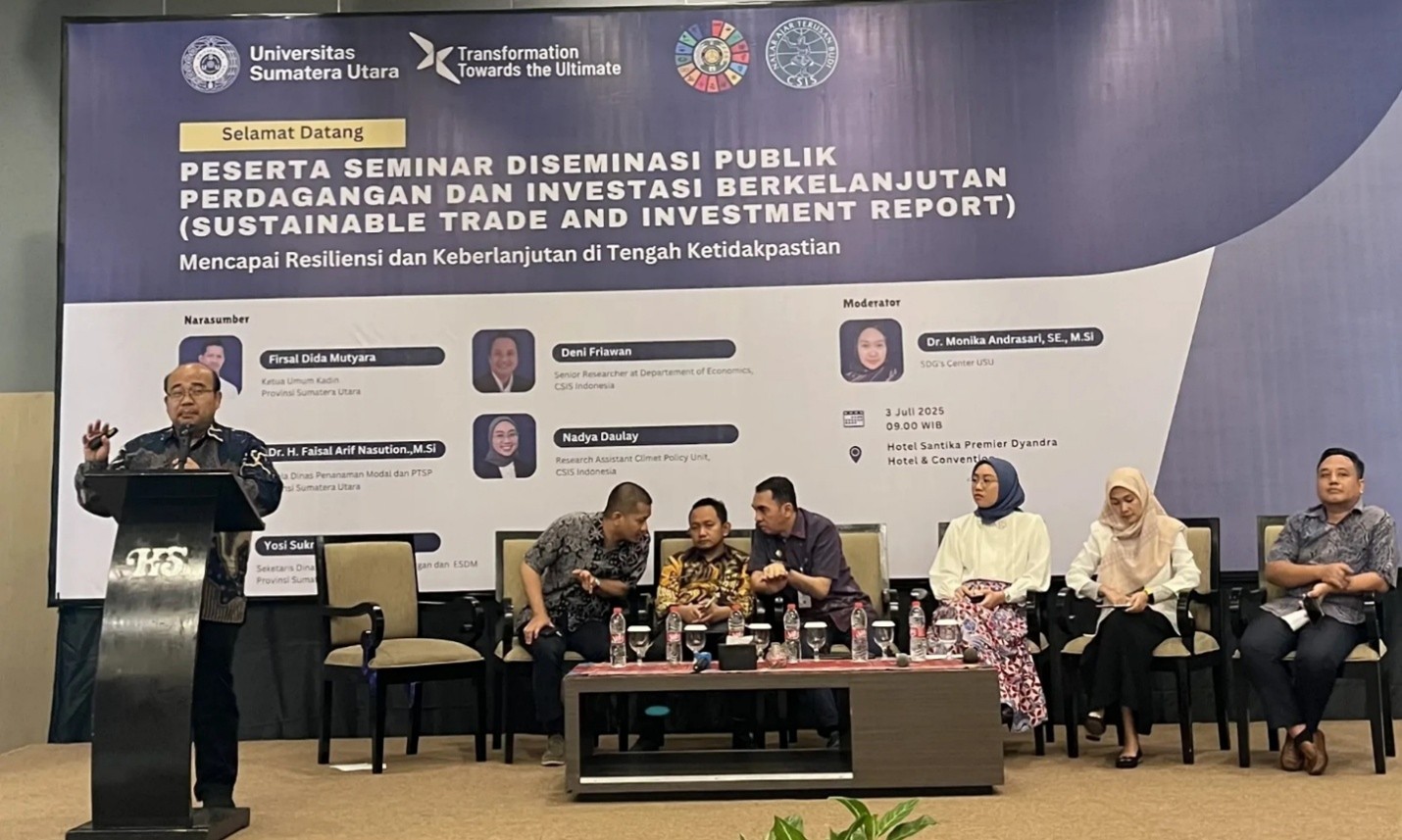
The implementation of this policy is also strengthened through the role of the SDGs Center of the University of North Sumatra as a center for studies and driving sustainability programs at USU. In order to expand strategic insights and networks, USU's SDGs Center in collaboration with the Center for Strategic and International Studies Indonesia (CSIS) Indonesia held a public dissemination seminar entitled "Sustainable Trade and Investment: Achieving Resilience and Sustainability in the Midst of Uncertainty." This activity became a forum for cross-sector discussion to encourage adaptive, inclusive, and long-term oriented investment practices.
Through policy strengthening, internal regulatory support, and strategic collaboration that continues to be developed, USU demonstrates its active role as a higher education institution that contributes to encouraging sustainable investment practices in Indonesia. This effort is expected not only to improve the performance of institutions in global rankings such as QS and THE Impact Rankings, but also to have a real impact on the environment and society at large.