


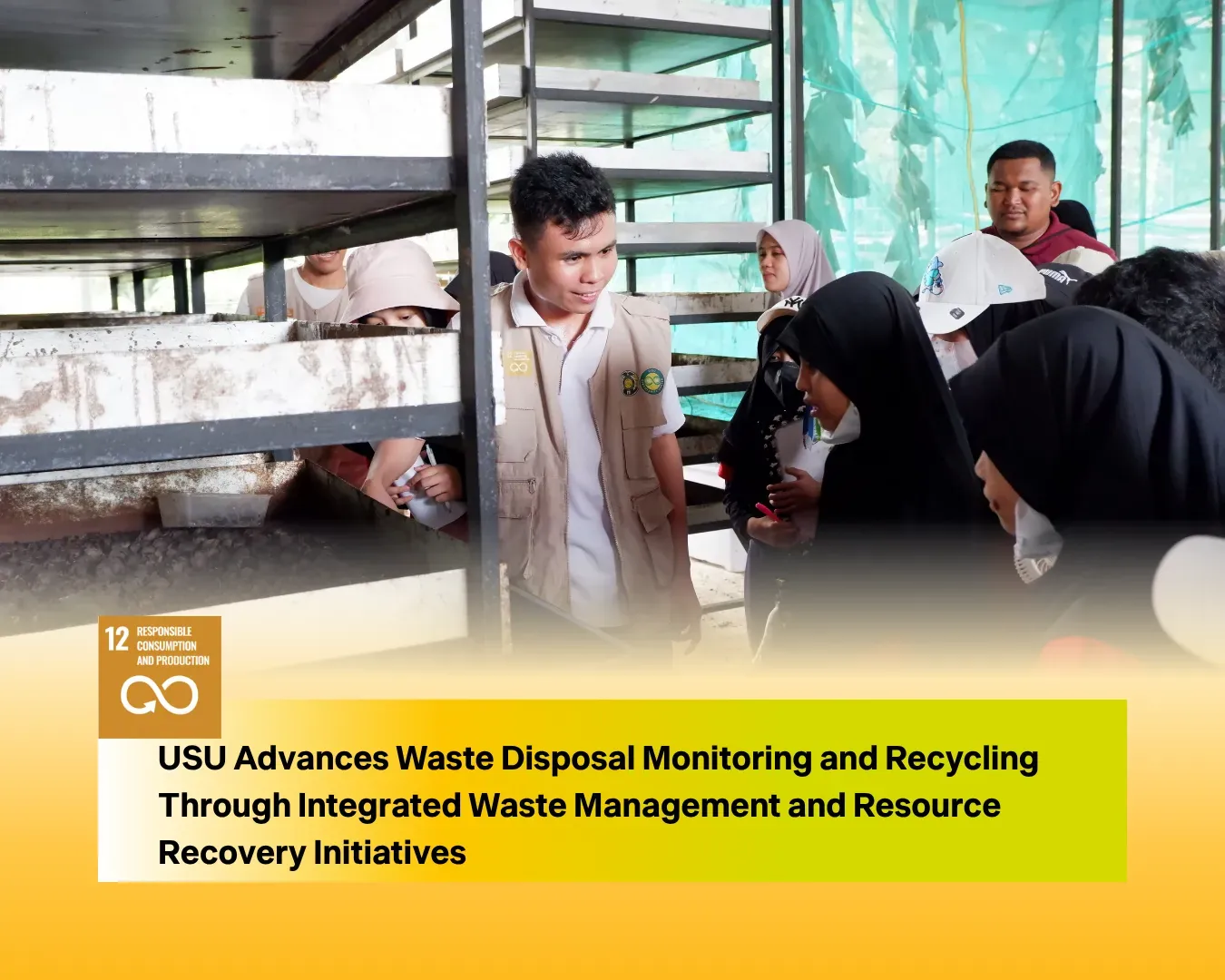
Medan, Indonesia – Universitas Sumatera Utara (USU) is strengthening institutional waste monitoring, material recovery, and responsible disposal through its Green Campus programme and the Integrated Waste Processing Facility (TPST). USU’s 2025 institutional waste measurements provide category-specific measurements of waste generated and treated, supporting evidence-based monitoring of campus environmental performance.
Institutional Policy Guides Waste Management
Rector’s Regulation No. 3 of 2019 concerning the Green Campus Movement provides an institutional framework for environmental protection and responsible resource management. USU’s waste management records document efforts in waste segregation, organic treatment, inorganic material recovery, and integrated processing. These practices contribute to SDG 12 through improved monitoring and sustainable resource use.
2025 Waste Measurement Shows Increased Treatment
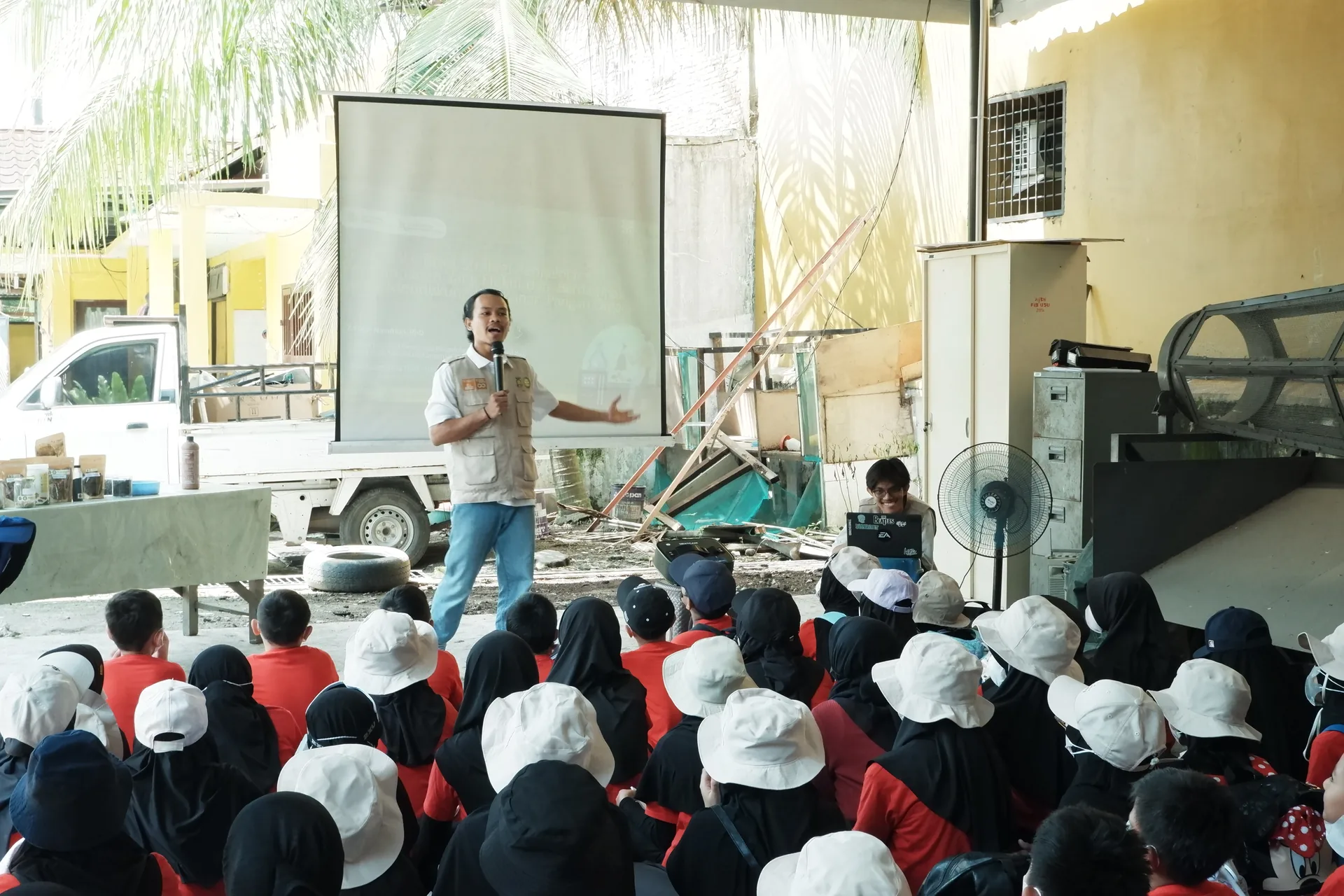
USU’s 2025 waste measurement records present the following quantities of organic and non-hazardous inorganic waste. The figures distinguish waste generated from waste treated and enable comparison with the preceding year.
Waste category / metric | 2024 (mt) | 2025 (mt) |
Organic waste generated | 191 | 193 |
Organic waste recycled | 55 | 105 |
Non-hazardous inorganic waste generated | 460 | 317 |
Non-hazardous inorganic waste recycled | 271 | 150 |
Total waste generated | 651 | 510 |
Total waste recycled | 326 | 255 |
Total waste sent to landfill | 325 | 255 |
Table 1. Waste generation, recycling, and landfill disposal recorded by Universitas Sumatera Utara in 2024 and 2025 (metric tonnes).
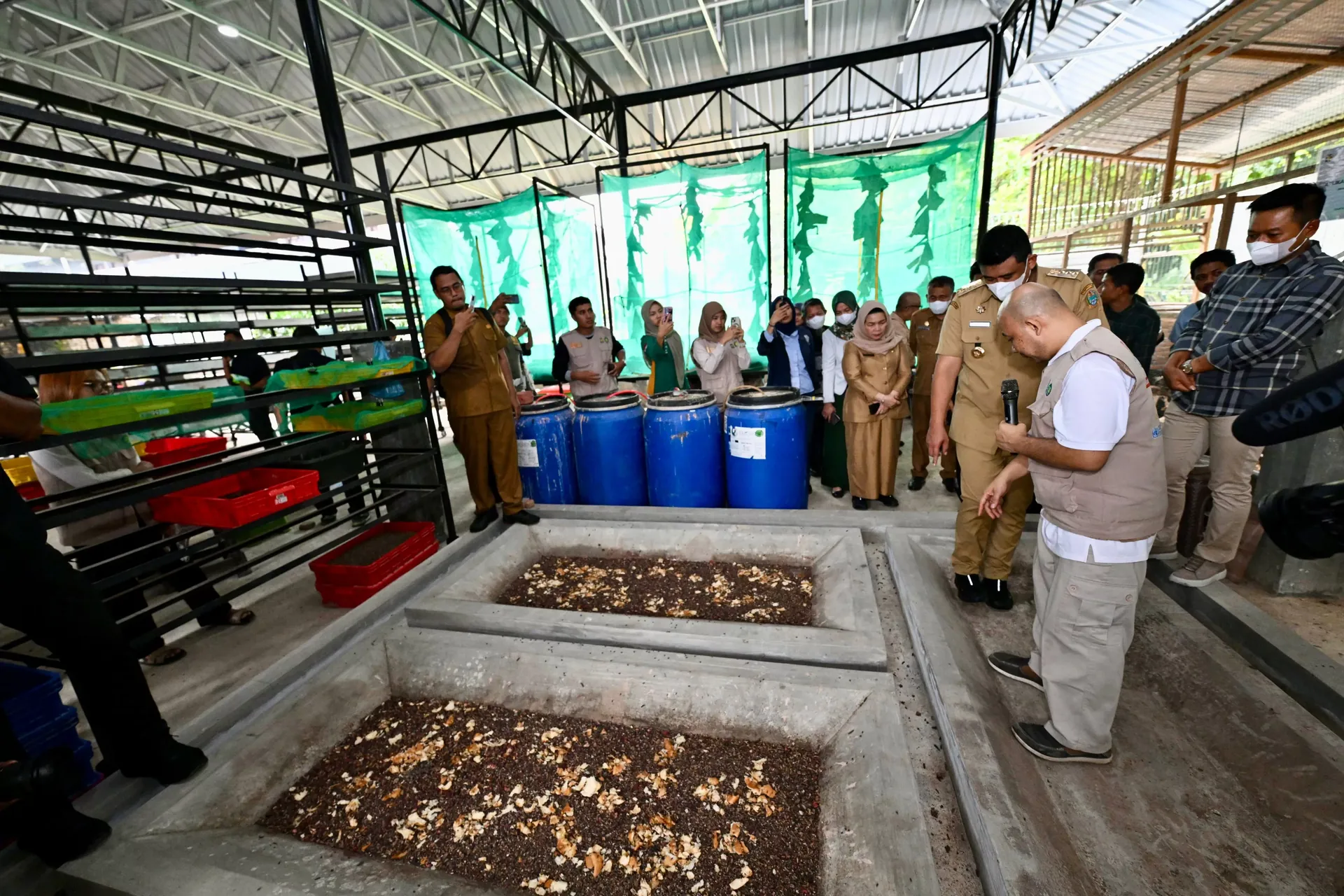
In 2025, USU recorded 193 metric tonnes of organic waste generated and 105 metric tonnes recycled, compared with 55 metric tonnes recycled in 2024. The university's principal organic waste streams include food waste, leaves, and yard waste. Composting and Black Soldier Fly (BSF) bioconversion support the conversion of organic waste into useful products, contributing to resource recovery and sustainable campus waste management.
For non-hazardous inorganic waste, USU's provisional data allocation records 317 metric tonnes generated and 150 metric tonnes recycled in 2025, compared with 271 metric tonnes recycled in 2024. The university's recycling activities cover materials such as plastic containers, paper, metals, and glass through sorting, material recycling, and upcycling initiatives.
Integrated Waste Processing Supports Material Recovery
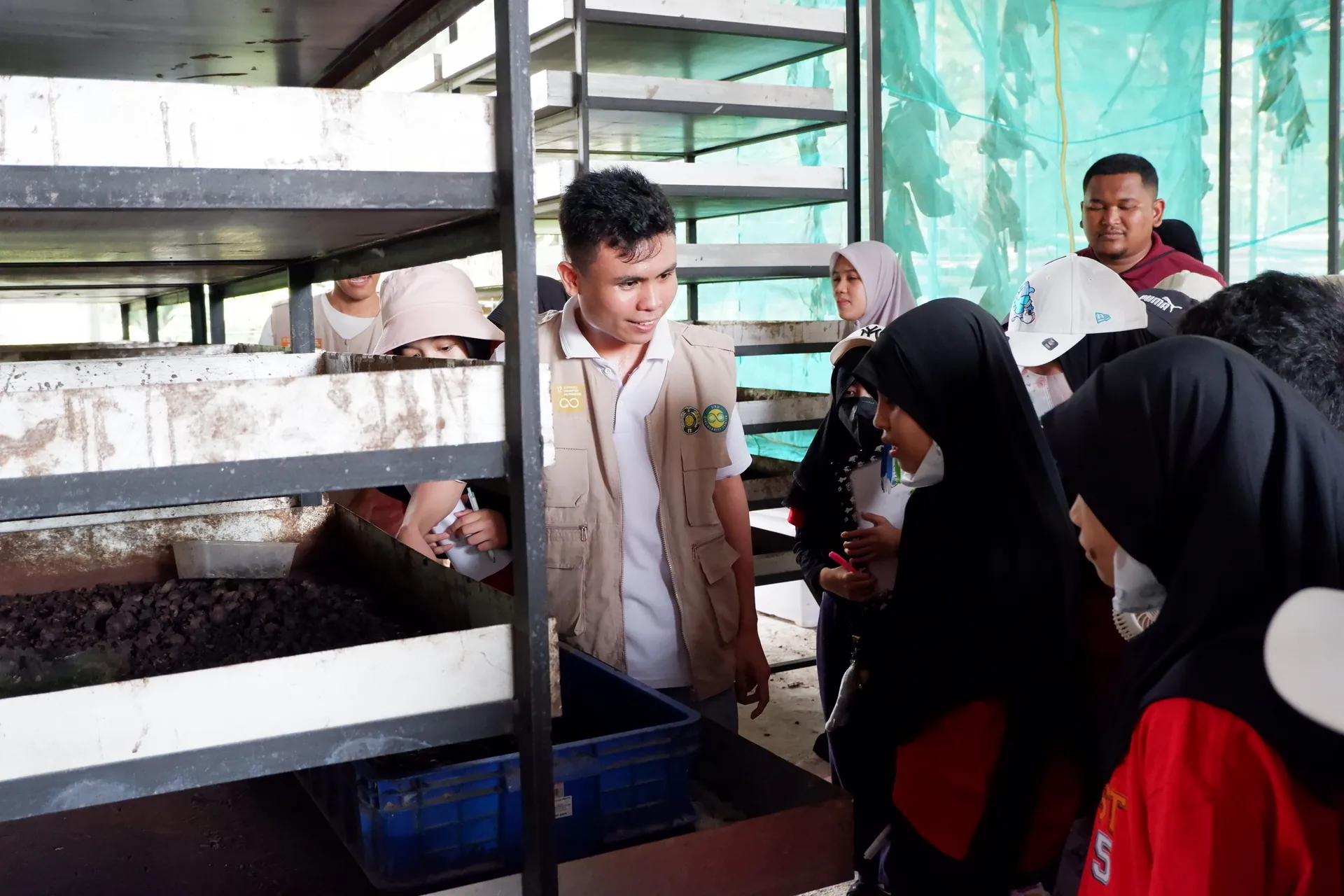
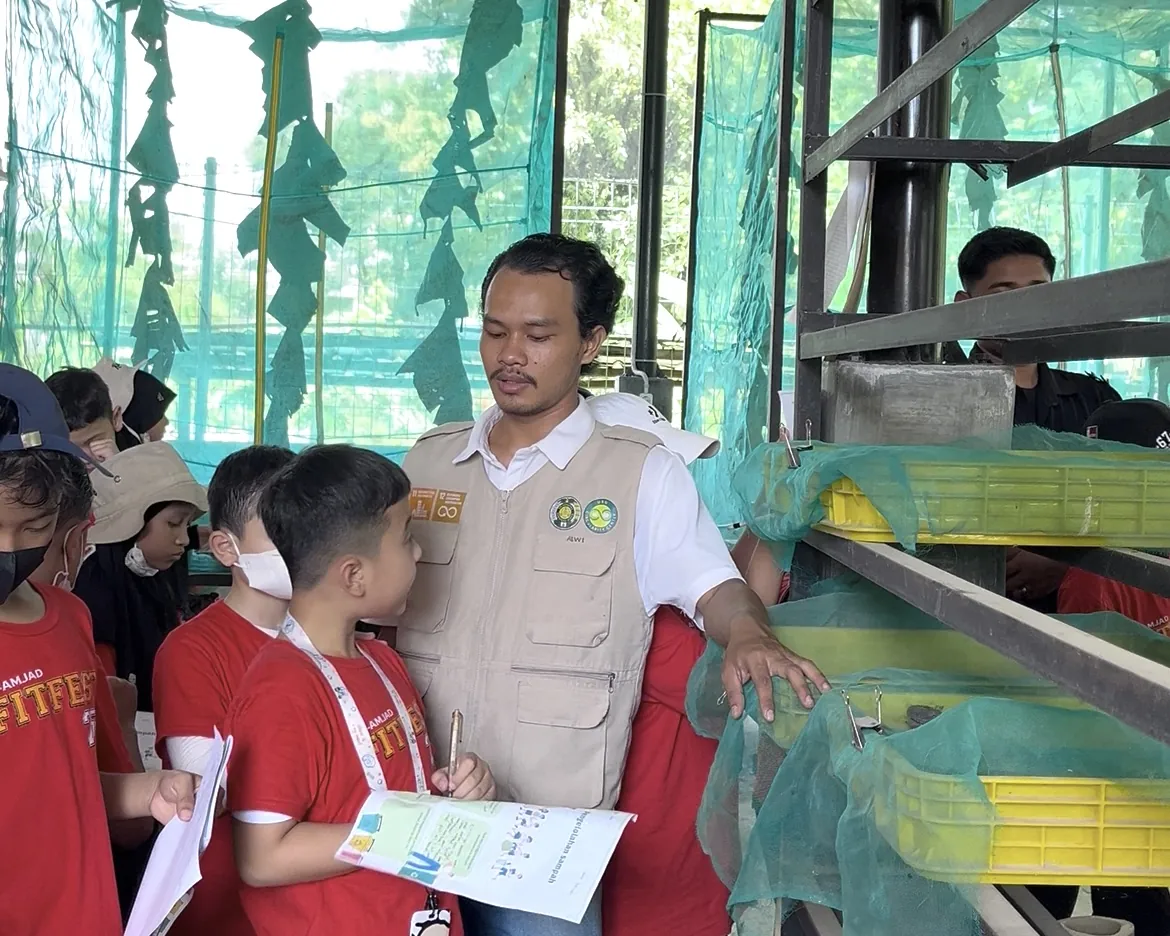
The TPST, inaugurated in May 2025 in cooperation with the North Sumatra Provincial Government, brings together waste segregation and processing activities. USU’s 2025 published information describes a segregation pilot involving several faculties and the Rectorate, supported by collection and sorting arrangements, organic processing, and equipment for recovering useful materials from selected inorganic waste streams.
These activities provide operational context for the waste quantities recorded in USU’s institutional measurements. They also help distinguish materials recovered through treatment from residual waste requiring final disposal.
Strengthening Measurement of Waste Destinations
By reporting quantities generated and treated, USU documents an important part of the waste-management measurement process. The landfill component is a separate reporting measure: USU’s 2025 measurement figures quantify waste generated and treated. Landfill-transfer quantities are tracked as a separate category when disposal records are available. USU’s waste-management monitoring can therefore be presented through its published treatment data while landfill figures are reported from the relevant disposal or transfer records.
Advancing Responsible Campus Waste Management
USU’s Green Campus framework, documented 2025 waste measurement records, and TPST operations demonstrate an institutional approach that combines monitoring with waste recovery. The continued development of segregated collection, treatment records, and final-disposal documentation supports transparent environmental reporting and the university’s contribution to SDG 12.