


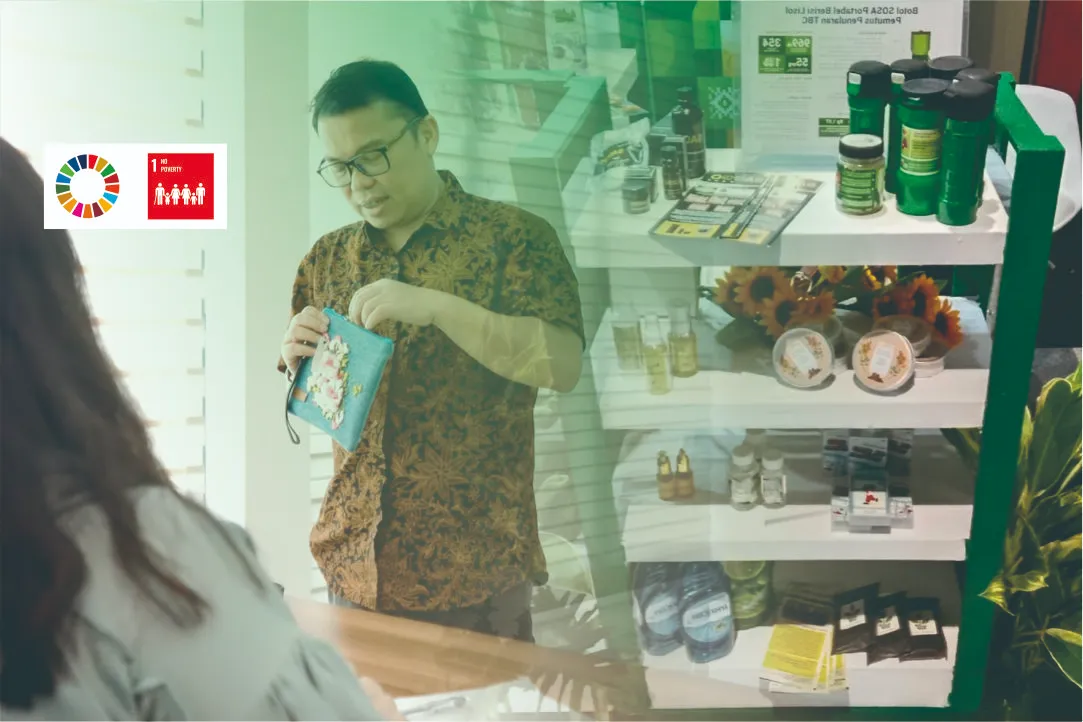
Medan, (June 7, 2024) – Universitas Sumatera Utara (USU) is scaling a university‑wide entrepreneurship pipeline that blends education, mentoring, and applied research to help students and local communities launch ventures that are financially viable and socially responsible. The approach moves ideas from the classroom into real‑world solutions aimed at reducing poverty and strengthening local economies.
-dikonversi-dari-jpeg.webp)
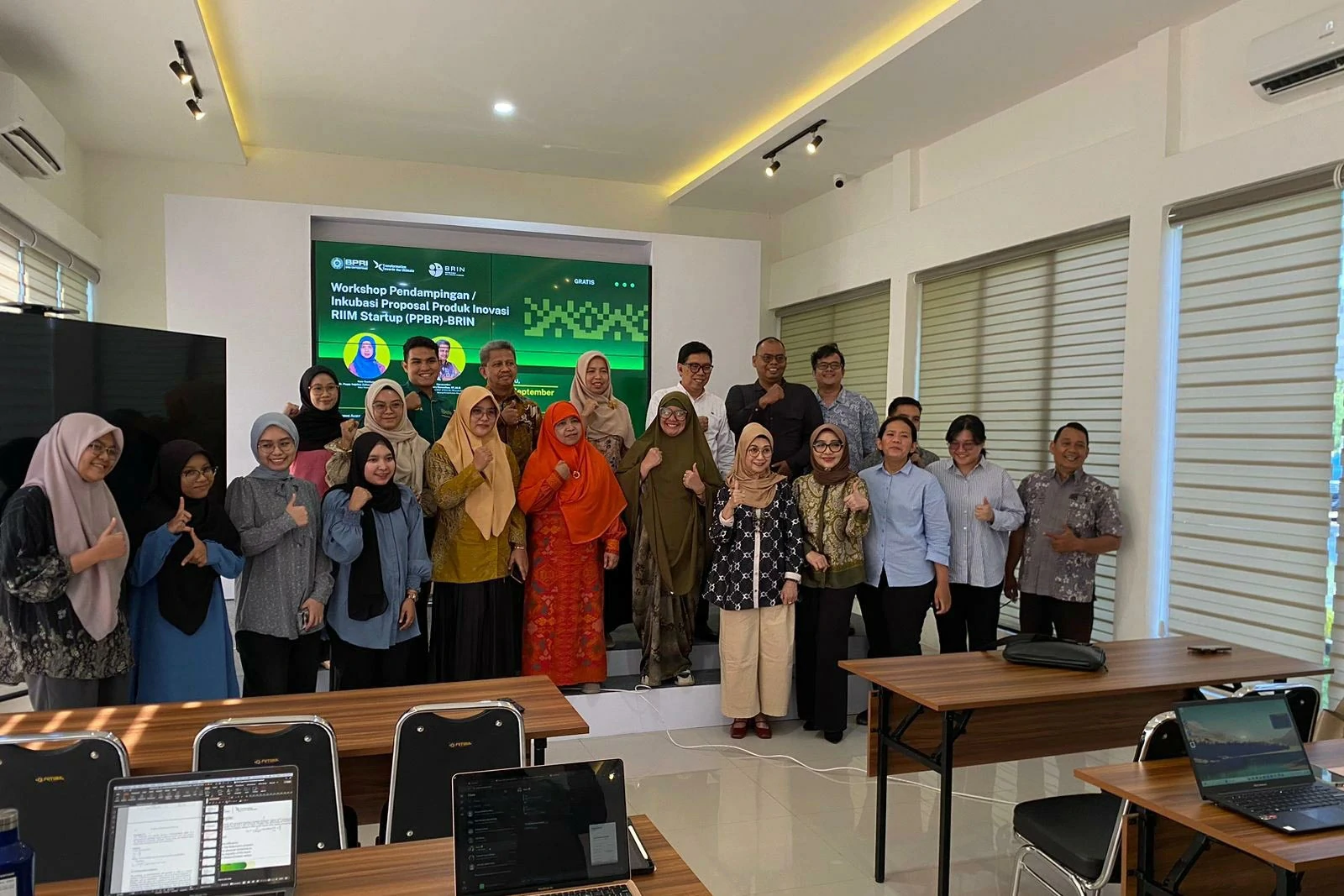
The program’s design combines personalized and group mentorship with practical training and incubation. Under faculty, alumni‑founder, and industry guidance, teams receive structured 1:1 coaching and milestone reviews on product–market fit, unit economics, and impact pathways. A rolling series of workshops and clinics builds core competencies in business modeling, customer discovery, branding and digital marketing, intellectual property and regulatory compliance, financial literacy, and impact measurement aligned with ESG and circular‑economy principles. For projects ready to grow, the Business Innovation Center (BPRI) Universitas Sumatera Utara offers six‑ to twelve‑month incubation tracks that provide co‑working space, laboratories, small‑scale production tools, prototyping support, seed micro‑grants, and investor or pitch days.
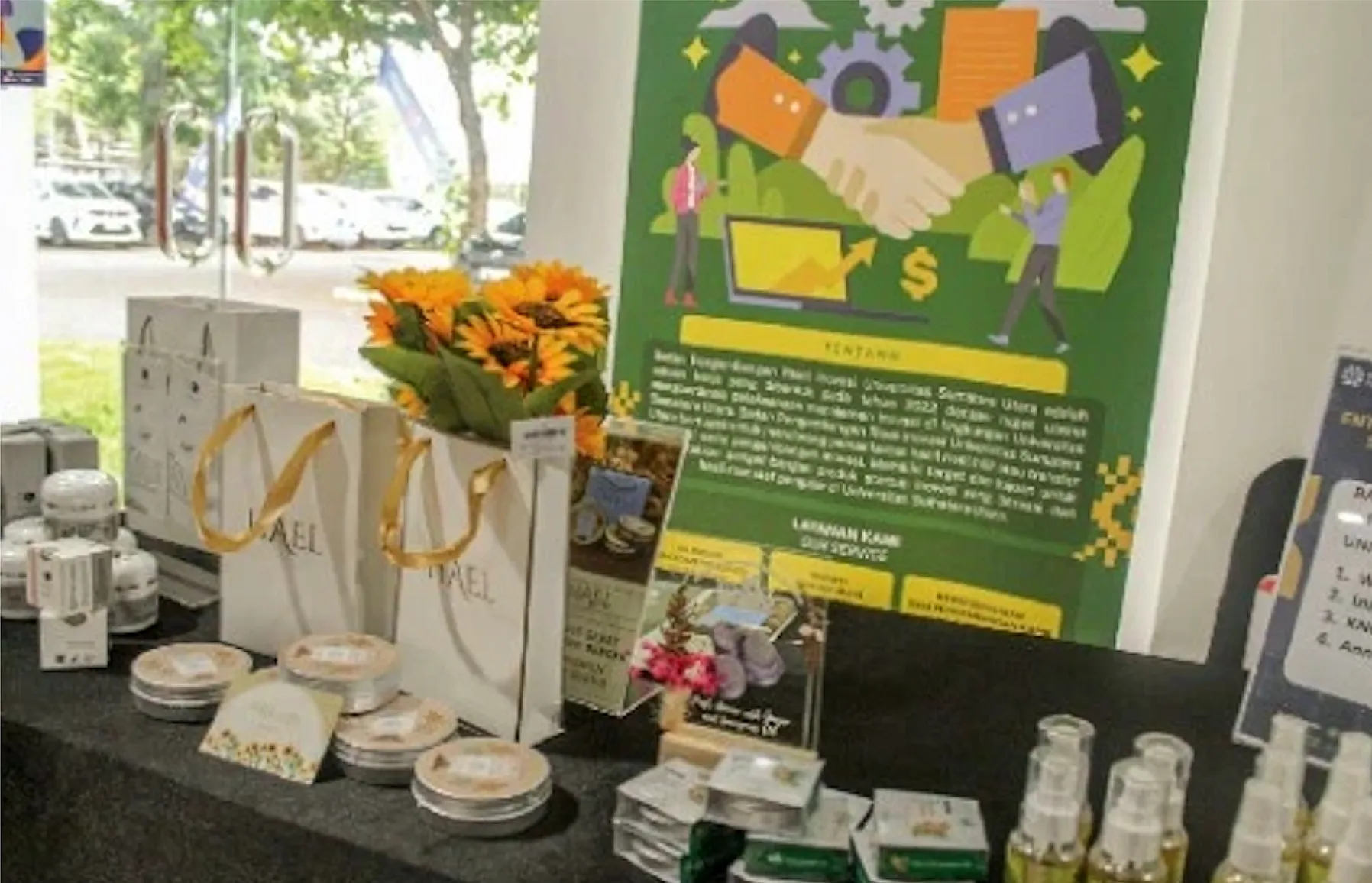
Results in 2024 point to strong momentum. USU supported 137 student‑led start‑ups and 40 community enterprises through Student Entrepreneurship Development Program (P2MW), the USU Pitching Competition, and Kewirausahaan Merdeka, while more than 1,200 participants from 15 faculties took part in bootcamps and workshops. The university and its partners mobilized Rp 1.7 billion for grants and technical mentorship in collaboration with Bank Indonesia, BRIN, PT Inalum, and the Ministry of Cooperatives and SMEs. Through the Desa Binaan program, 12 partner villages each received Rp 100 million to expand eco‑products, agro‑tourism, food processing, and sustainable farming. Incubator proposals grew by 20 percent year on year, with notable gains in green‑economy and digital‑transformation themes.
Community‑centered innovation sits at the heart of the model. Multidisciplinary student teams co‑design solutions with village leaders and micro, small, and medium enterprises (MSMEs) to improve product quality, open market access, and strengthen local value chains, while reinforcing stewardship of land and resources. The pipeline links research with livelihoods so that new knowledge translates into inclusive growth.
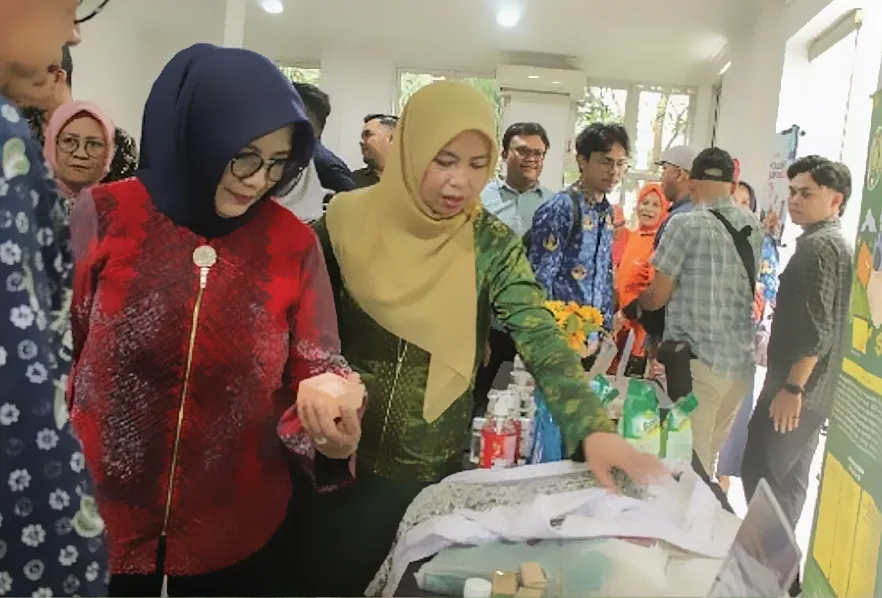
The impact is multi‑layered. For students, work‑integrated learning and sustained mentor feedback accelerate skill acquisition, employability, and founder readiness. For communities, targeted training and incubation reduce enterprise risk, raise incomes, and build resilience to shocks. For the region, a growing portfolio of green and digital ventures attracts partners and investment, deepening the innovation ecosystem and multiplying benefits beyond campus.