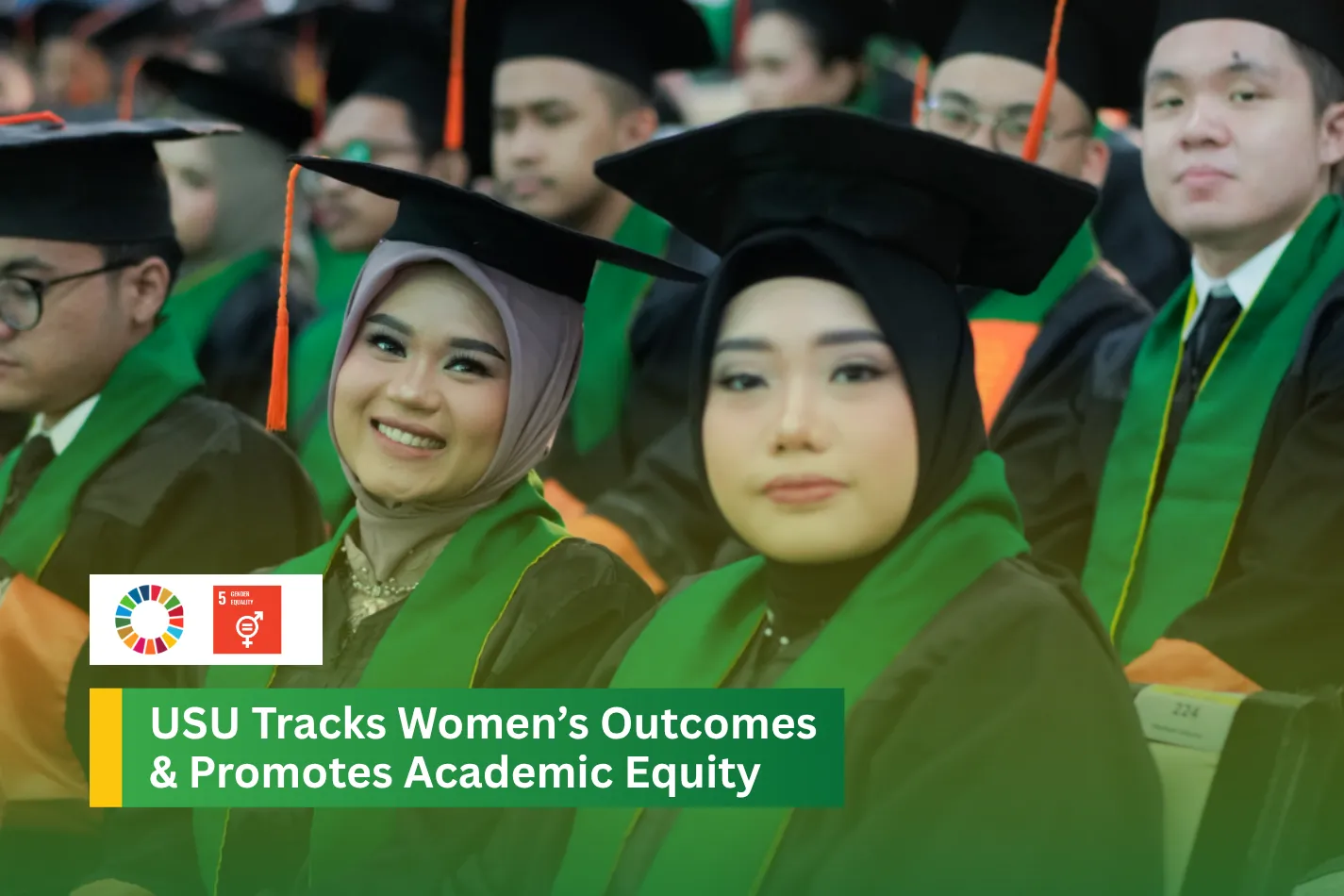
Medan, 19 December 2024 — Universitas Sumatera Utara (USU) continues to demonstrate a strong institutional commitment to educational equity and gender balance in academic achievement, driven by robust performance monitoring and inclusive support systems. This dedication is evident even in the absence of a formal policy dedicated solely to gender-specific graduation tracking.
While USU does not yet operate a specialized system to publicly measure or analyze women’s graduation likelihood compared to their male counterparts, the university’s comprehensive overall performance framework ensures equal academic access, completion opportunities, and crucial support mechanisms for all students, irrespective of gender.
Institutional Performance Monitoring and Academic Equity
The Priority Program Evaluation Agency oversees the monitoring and evaluation of the university-wide performance indicators, known as University-Wide Key Performance Indicators. These key indicators include critical metrics such as academic completion rates, the quality of learning outcomes, and graduate employability, which collectively measure the institution's progress in achieving inclusive and high-quality education.
Although BEPP’s current monitoring framework does not disaggregate graduation data by gender, USU’s foundational frameworks and policies—notably USU Academic Regulation No. 13 of 2022 and Rector’s Decree No. 459/UN5.1.R/SK/SPB/2023—firmly establish equity, justice, and transparency as central tenets of all academic operations.
“Equity in education is deeply embedded in our governance and quality assurance systems,” said Dr. Muhammad Anggia Muchtar S.T., MM.IT., Head of the Priority Program Evaluation Agency. “Our academic monitoring framework ensures that every student, regardless of gender, receives equal opportunity to complete their studies successfully.”
Mechanisms Supporting Equal Graduation Opportunities
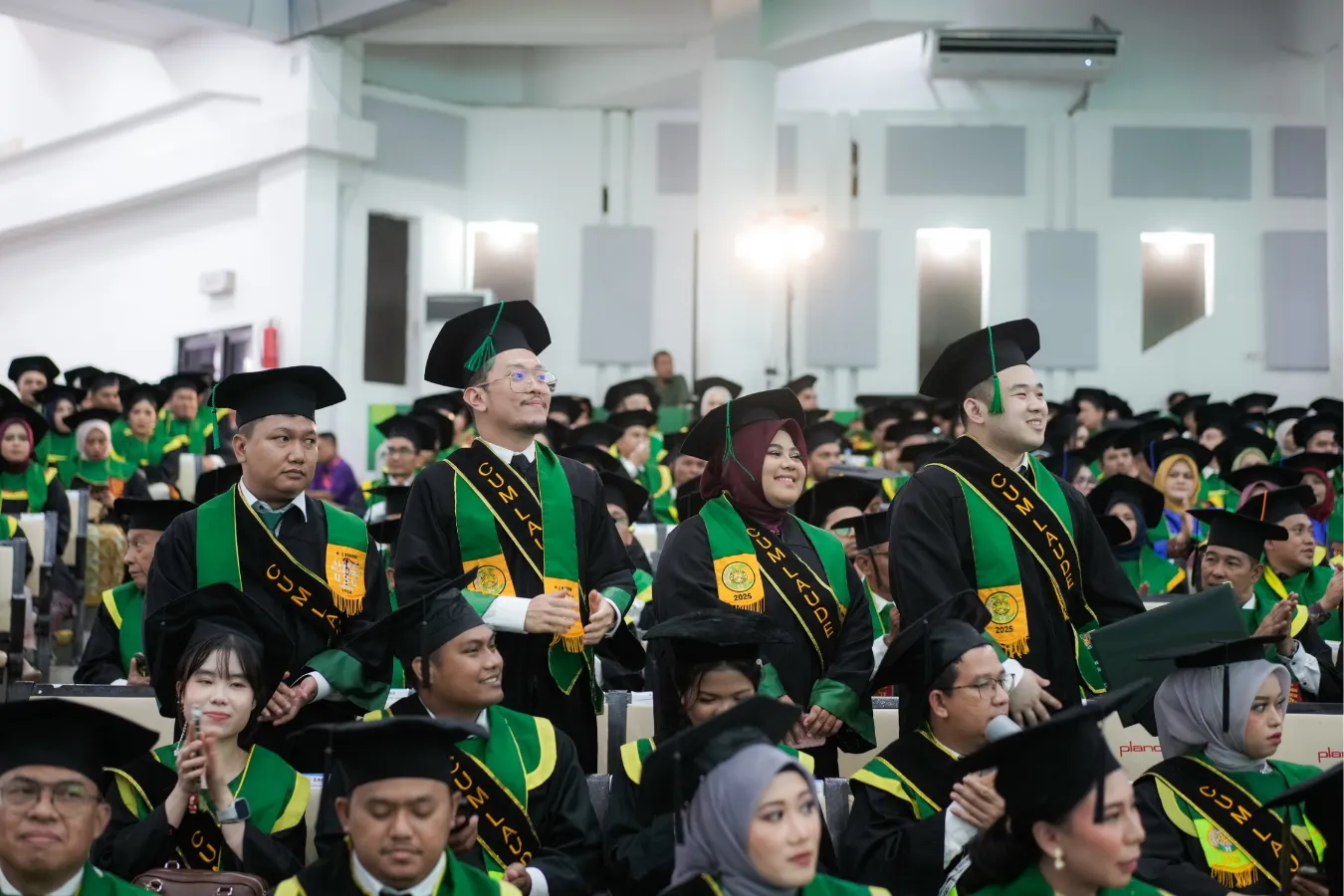
USU actively promotes equitable academic success through a range of institutional mechanisms designed to mitigate and indirectly close potential gender gaps in graduation outcomes. These critical support systems include:
- Financial Assistance: Programmes such as Poverty-Targeted Scholarship, which provide essential financial support, are particularly vital for backing women from low-income or rural backgrounds.
- Academic Guidance: Structured student mentoring and rigorous academic advising, coordinated by the Directorate of Student and Alumni Affairs and specialized faculty-level support units.
- Flexible Regulations: Inclusive and flexible academic rules that guarantee equal access to academic leave, professional counseling, and scholarship opportunities for all.
These mechanisms form part of USU’s integrated ecosystem dedicated to inclusive student development and academic persistence.
Evidence of Strong Gender Parity in Achievement
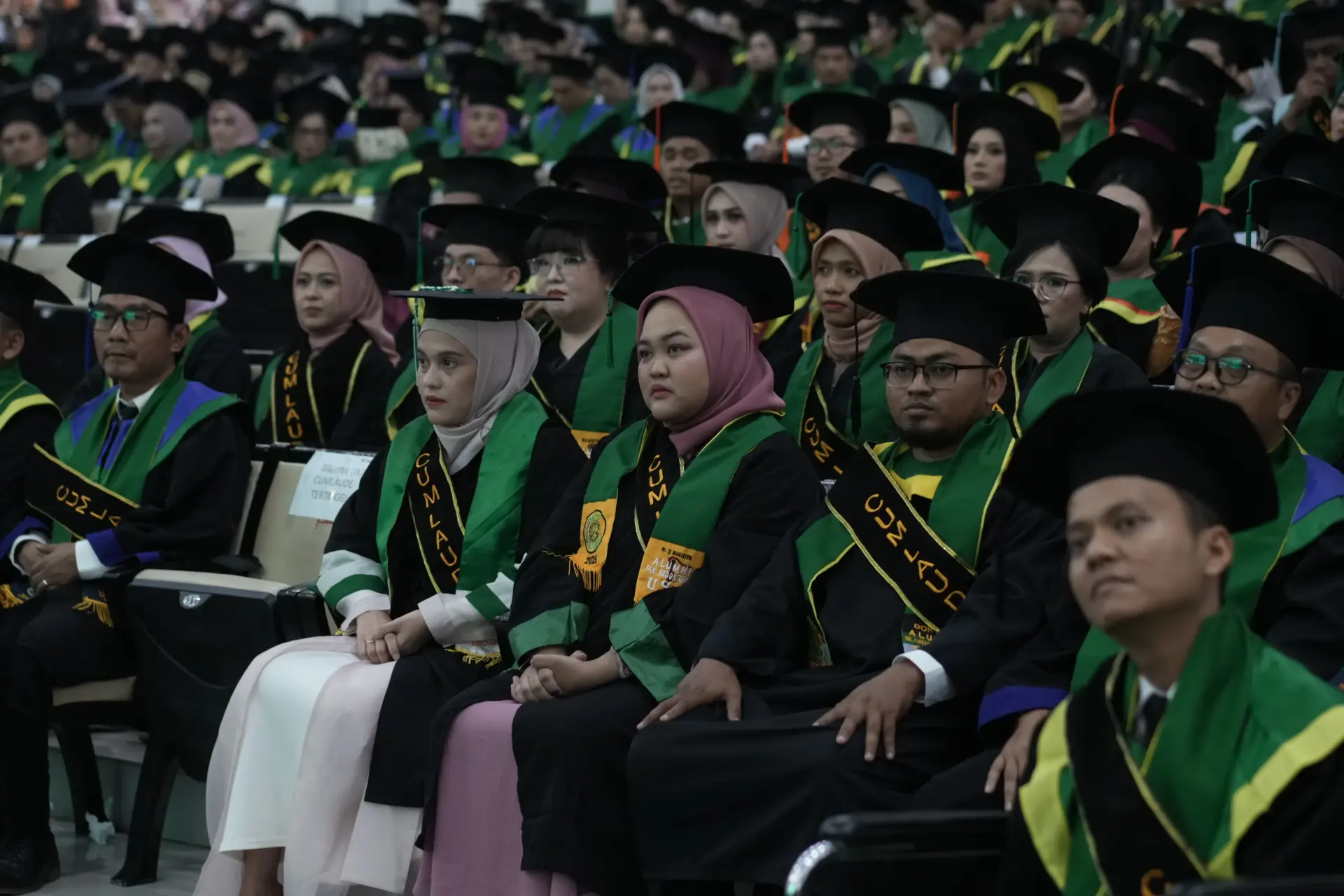
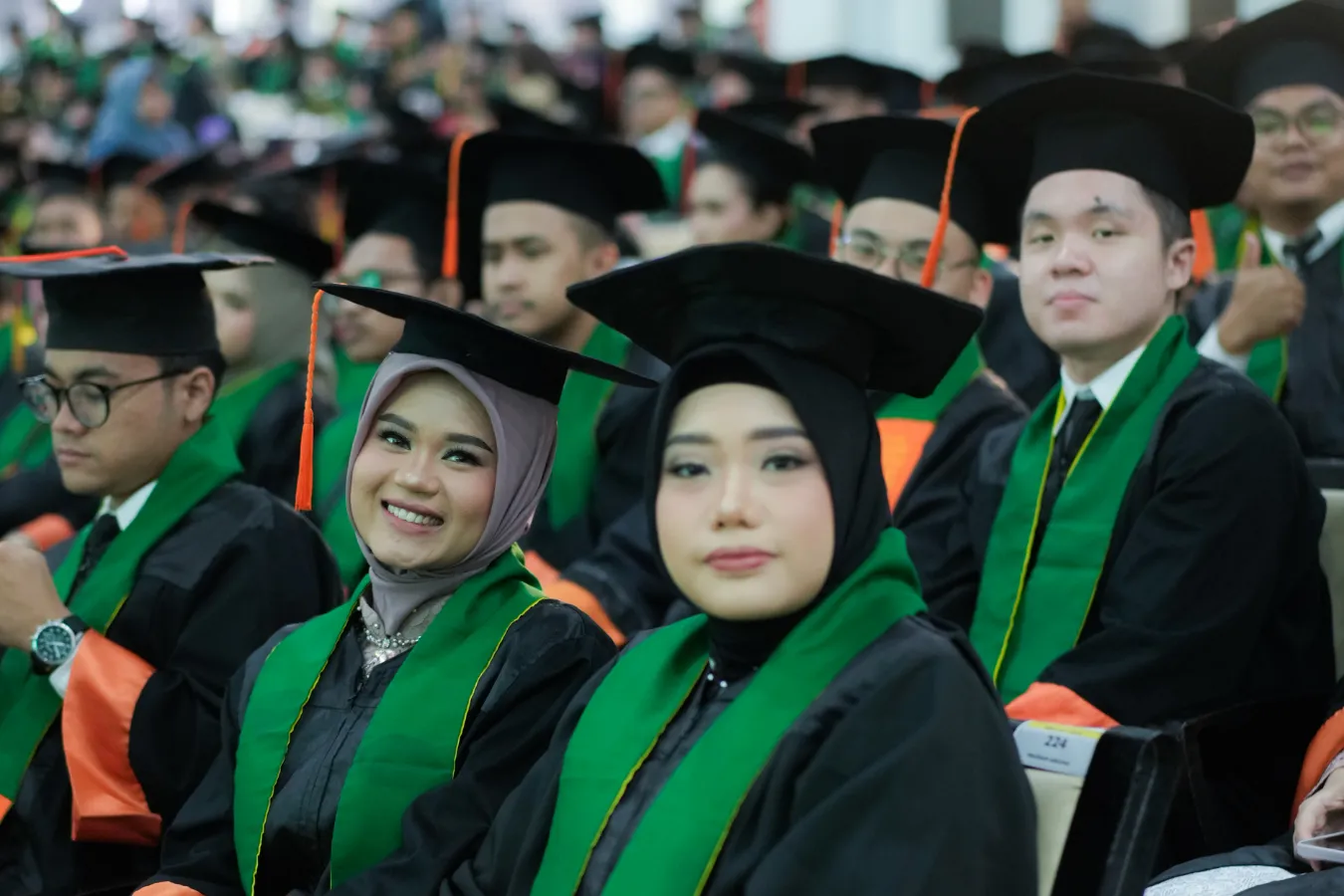
Despite the lack of formalized gender-gap analyses, institutional data consistently reveal that women constitute the majority in both new student cohorts and graduating classes. In 2024, women accounted for over 50% of graduates in key faculties such as Public Health, Nursing, Pharmacy, Psychology, and Cultural Sciences. This robust performance demonstrates that female students at USU are achieving academic success at parity with or exceeding their male peers across diverse disciplines, reflecting USU’s effective environment of equality and support.
“The success of women across USU’s faculties speaks for itself,” stated Prof. Dr. Muryanto Amin, S.Sos., M.Si., Rector of Universitas Sumatera Utara. “Even without formalized gender tracking, our inclusive policies and support systems ensure equitable academic outcomes and contribute profoundly to gender equality in higher education.”
Commitment to the Sustainable Development Goals
USU’s integrated approach to academic monitoring and inclusion contributes directly to the realization of SDG 4 (Quality Education) and SDG 5 (Gender Equality) by fostering equitable access, retention, and success across all genders.
Guided by Rector’s Regulation No. 3 of 2019 on the Green and Sustainable Campus and Rector’s Circular Letter No. 1 of 2023 on sustainability and inclusion, the university continues to strengthen its capacity for data-driven governance while sustaining an equitable, gender-balanced academic community.
Through consistent policies, effective mentoring, and crucial financial support, USU maintains a de facto culture of equality—ensuring that all students, regardless of gender, can achieve academic success and contribute meaningfully to Indonesia’s national development goals.