


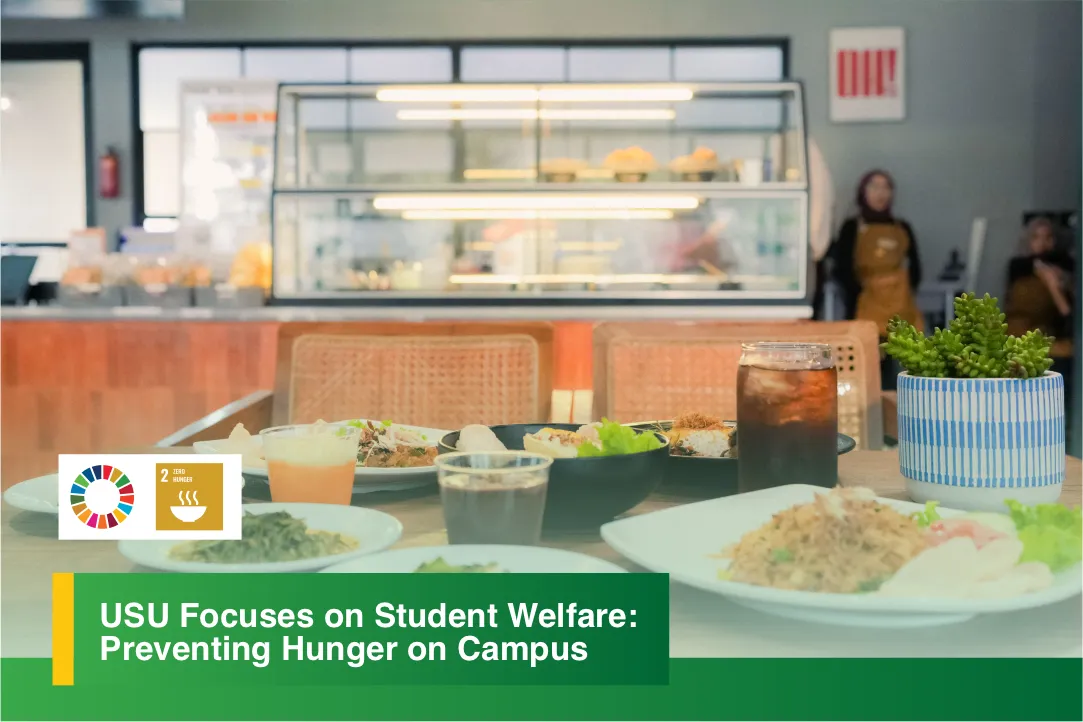
Medan, 2024 – Universitas Sumatera Utara (USU) continues to demonstrate a strong commitment to student welfare through a campus‑wide effort to prevent and reduce hunger in line with SDG 2 (Zero Hunger). The goal is simple and consistent: every student, regardless of economic background, can access nutritious and affordable food on campus.
Key actions to address food insecurity
1) Financial assistance for food and daily needs
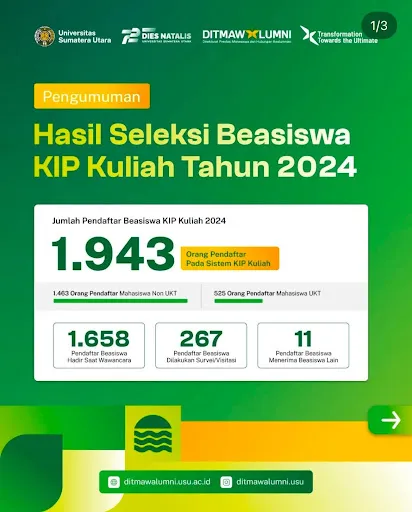
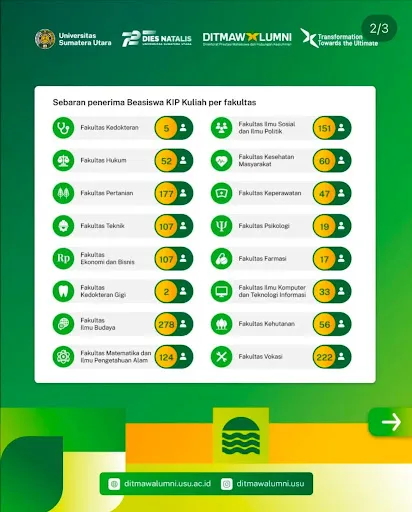
In 2024, the Kartu Indonesia Pintar (KIP) Kuliah Merdeka programme supported 6,636 students, around 16% of the student population, with monthly stipends between IDR 700,000 and IDR 1,400,000 to help cover food and transportation. Complementing this, the Bantuan Belajar Mahasiswa (BBM) programme provided additional assistance to 900 students, while Baznas scholarships offered emergency funds for students facing hardship related to meals. Together, these measures form the structural backbone of USU’s hunger‑alleviation system.
source: instagram.com/ditmawaalumni.usu
2) Healthy and Affordable Canteen Policy
USU enforces its Kantin Sehat dan Terjangkau policy across 17 food outlets that serve more than 12,000 students each day. Every vendor must offer low‑cost, balanced meals under guidance from the Faculty of Public Health, ensuring nutritional quality and affordability.
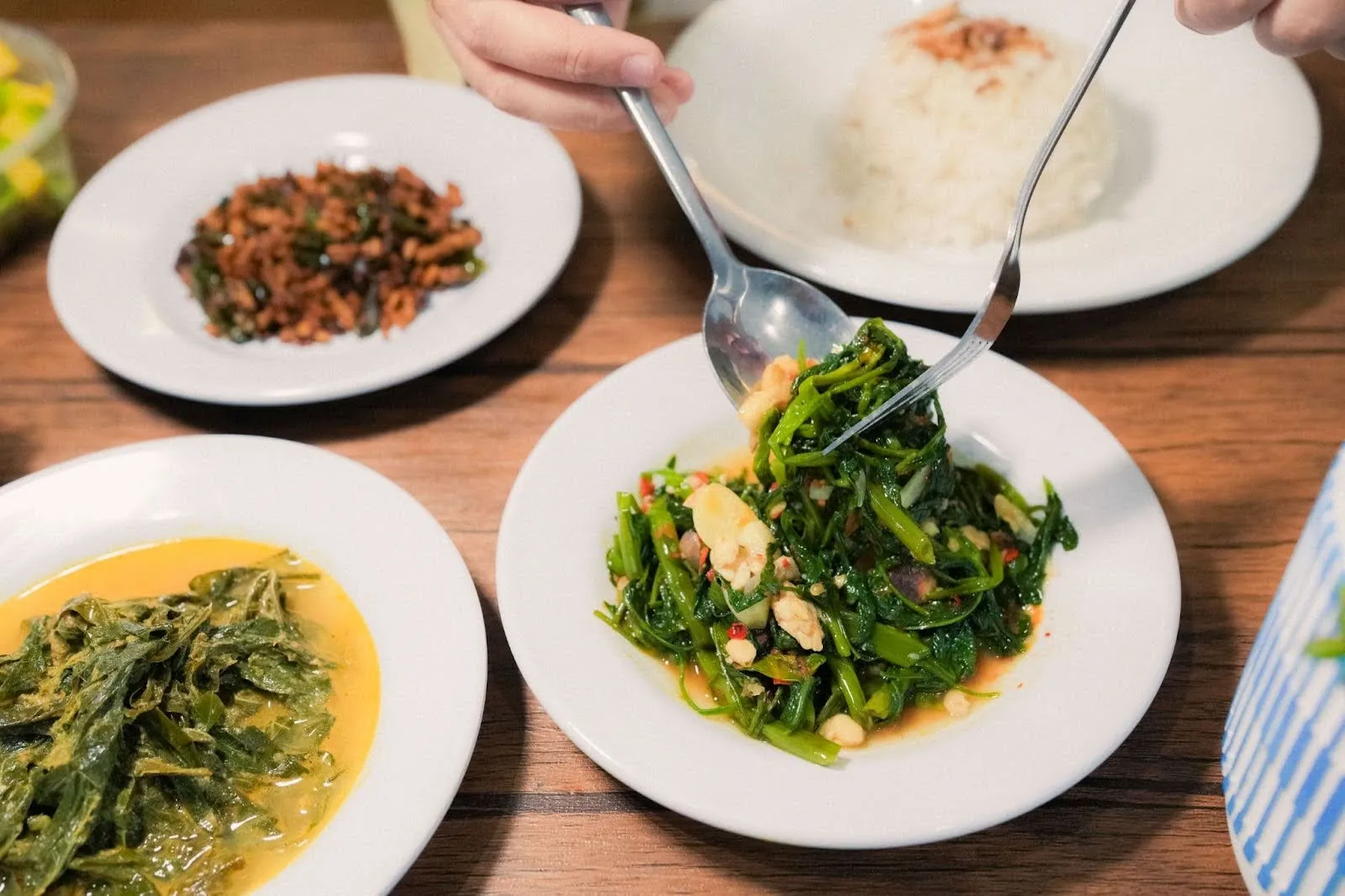
3) Diverse cafés and meal choices
Multiple on‑campus cafés and food stalls provide a variety of dishes across the university area, making it easier for students to find convenient, reliable meals throughout the day.
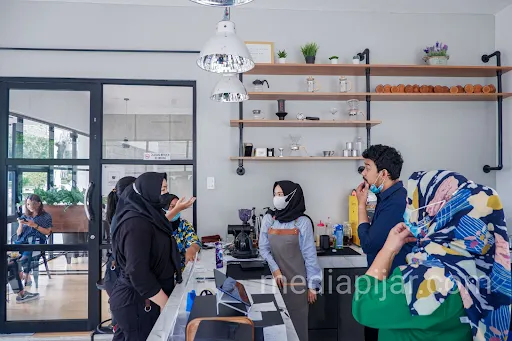
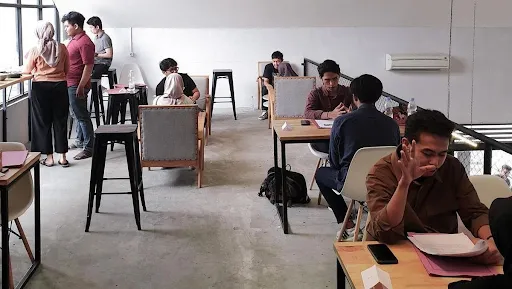
4) Food Expo and culinary bazaar events
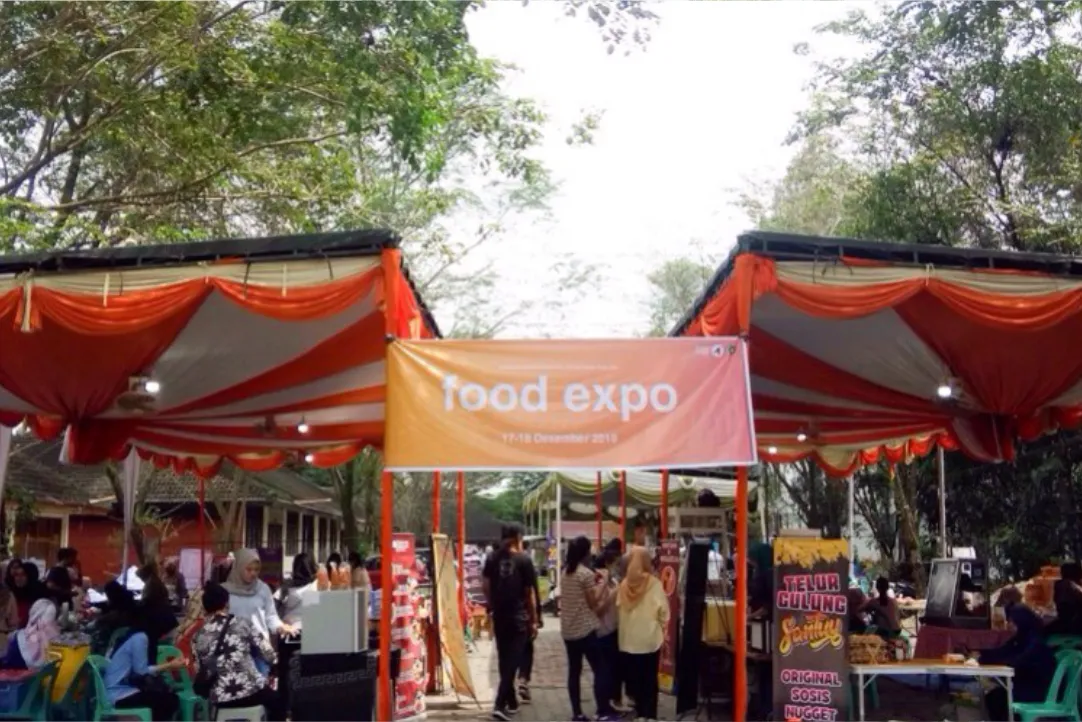
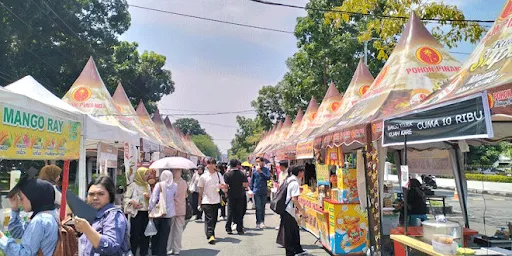
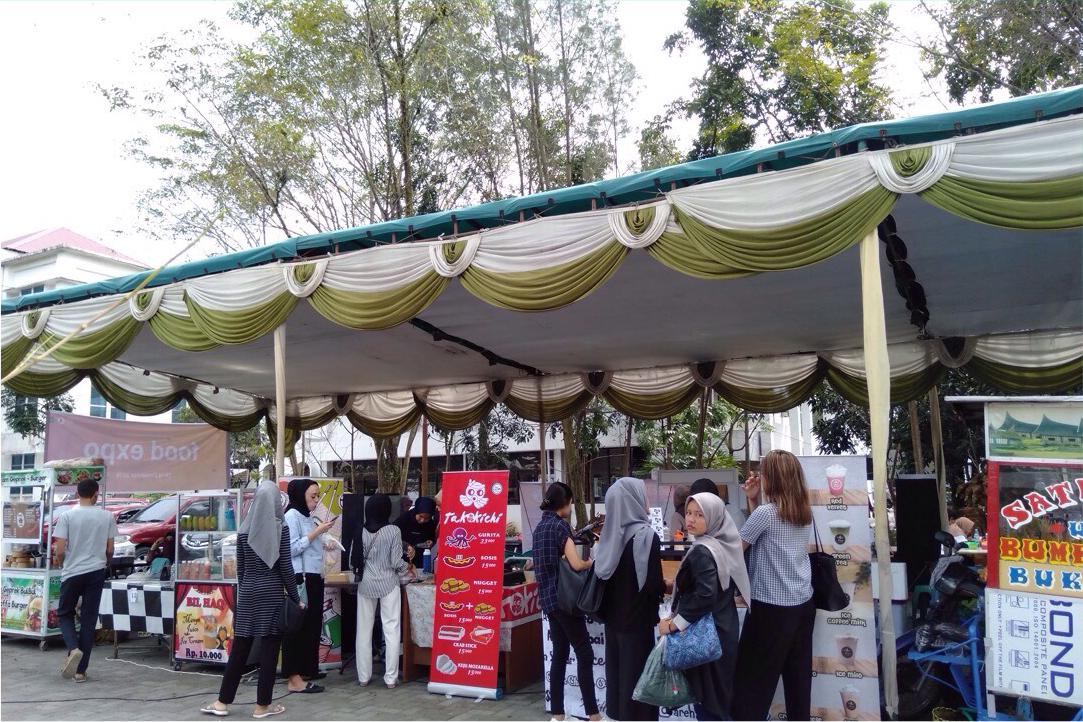
Regular events such as the Food Expo and local‑food innovation bazaars promote food access, student entrepreneurship, and awareness of sustainable food systems. These occasions also offer free or low‑cost meals during major university celebrations, including Dies Natalis, USU Awarding Night, and Independence Day.
5) “Jumat Berkah” (Free Friday Lunch) programme
Every Friday, USU coordinates free meal packages for students and campus workers with the university mosque, faculty units, student organisations, and alumni associations. In 2024, the programme delivered about 18,000 meals, or 350 to 400 per week, strengthening solidarity and community care as a campus‑level equivalent of a food bank.
6) Food awareness and sustainability campaigns
Led by the Green Campus Team (UIGM USU), campaigns such as Gerakan Piring Bersih (Clean Plate Movement) and Zero Hunger Day engaged more than 3,000 students in 2024, encouraging responsible consumption and peer‑to‑peer food sharing.
Through an integrated strategy that combines financial support, affordable meal access, weekly free food distribution, and sustainability education, USU has built a comprehensive system that effectively reduces hunger risk among students. These efforts enhance student welfare and position USU as a national model for higher‑education institutions advancing SDG 2 (Zero Hunger).