


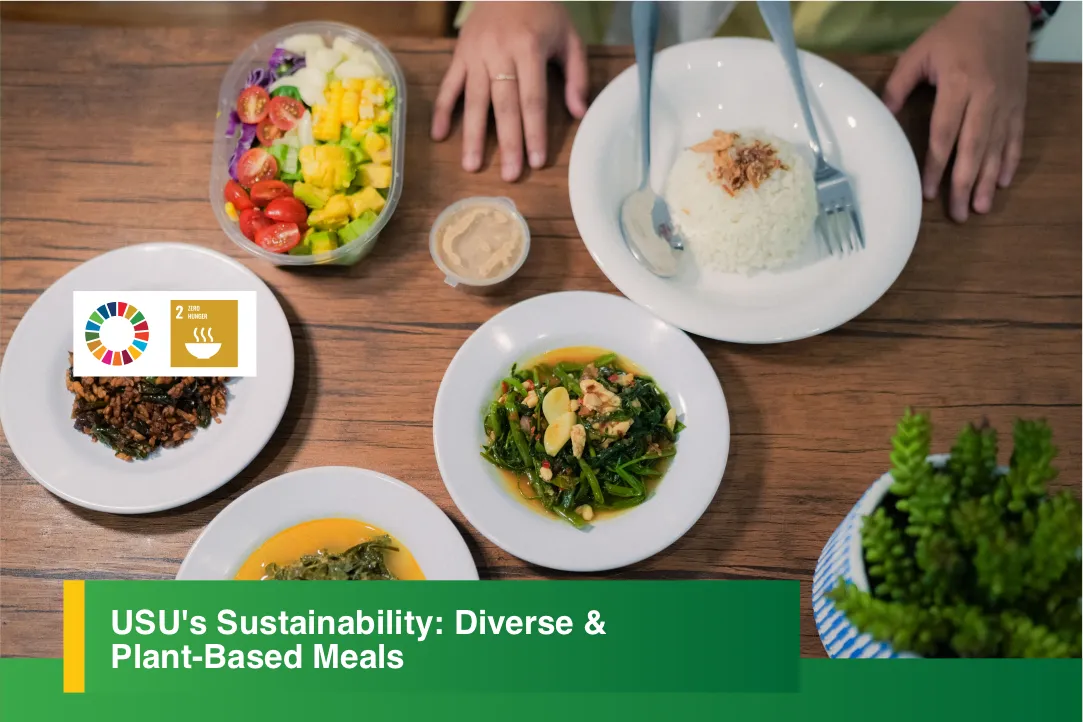
Medan, Indonesia — 2024. Universitas Sumatera Utara (USU) is strengthening its commitment to sustainability, health, and responsible consumption by ensuring that diverse, plant‑based, and locally sourced meals are easy to find across campus canteens and cafés. The effort is part of the Green Campus Policy and contributes to SDG 2: Zero Hunger, while also advancing SDG 3 (Good Health and Well‑being) and SDG 12 (Responsible Consumption and Production) through healthier diets and environmentally conscious habits.
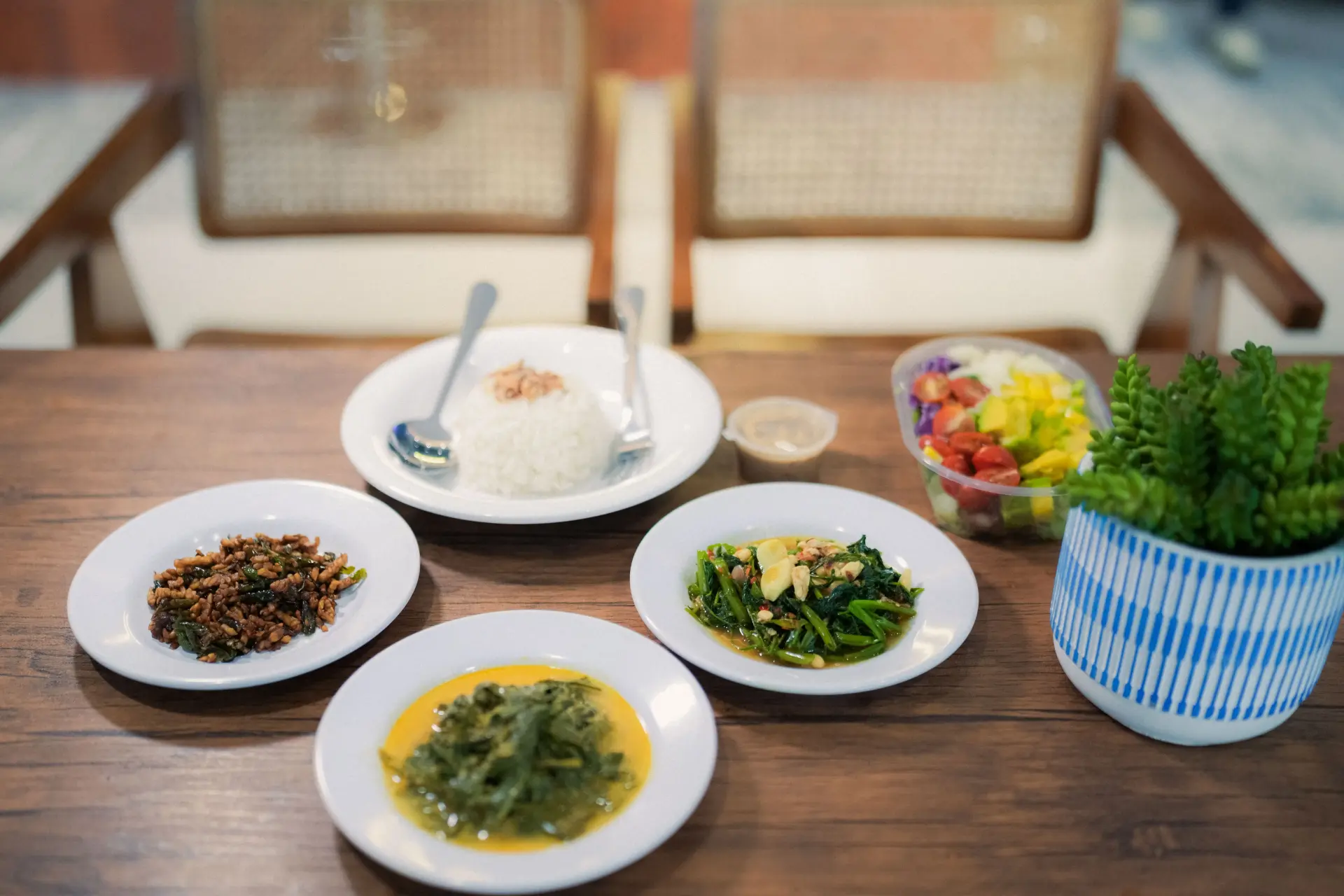
A Wide Variety of Sustainable Meals on Campus
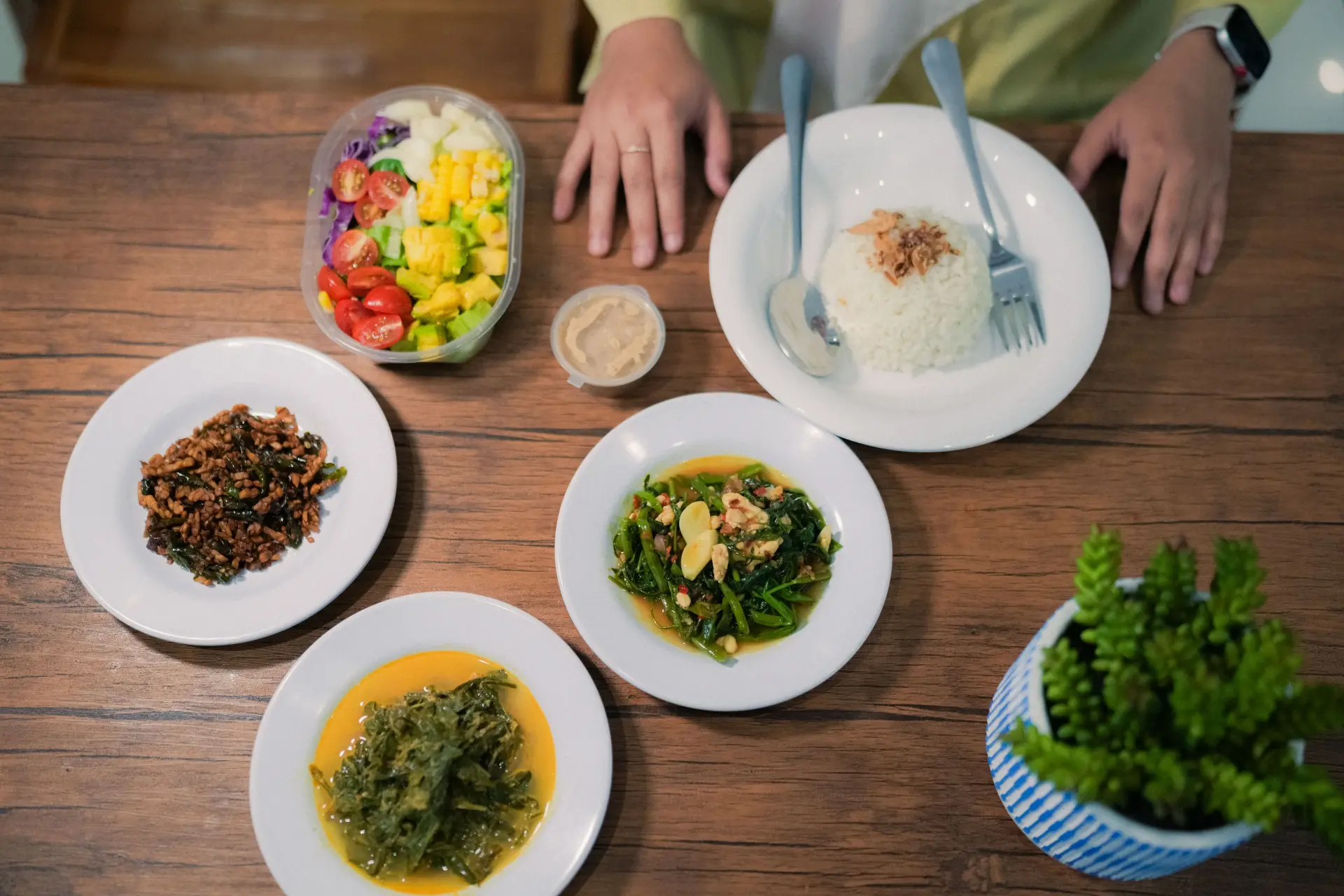
USU operates 17 registered food outlets that implement the Kantin Sehat dan Terjangkau (Healthy and Affordable Canteen) policy. Vendors are required to offer balanced, nutritious menus with vegetarian and vegan options. Selections reflect Indonesia’s culinary diversity, including:
- Pecel (mixed vegetables with peanut sauce)

- Sayur asem (tamarind vegetable soup)

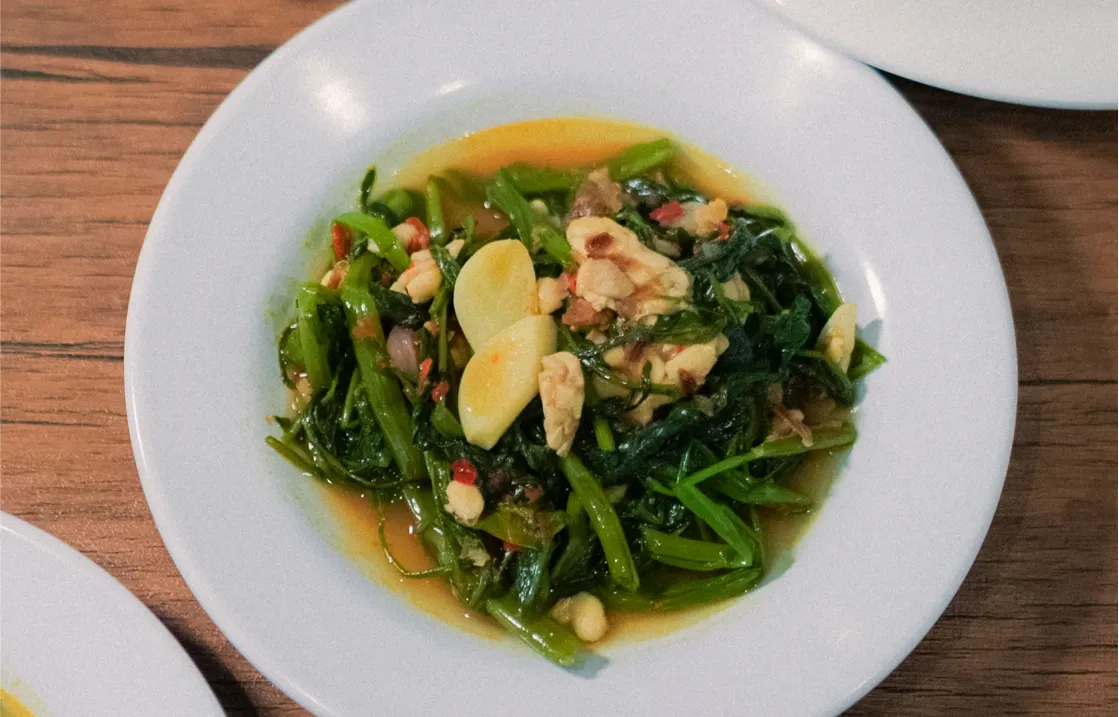
- Kangkung tumis (stir‑fried water spinach)
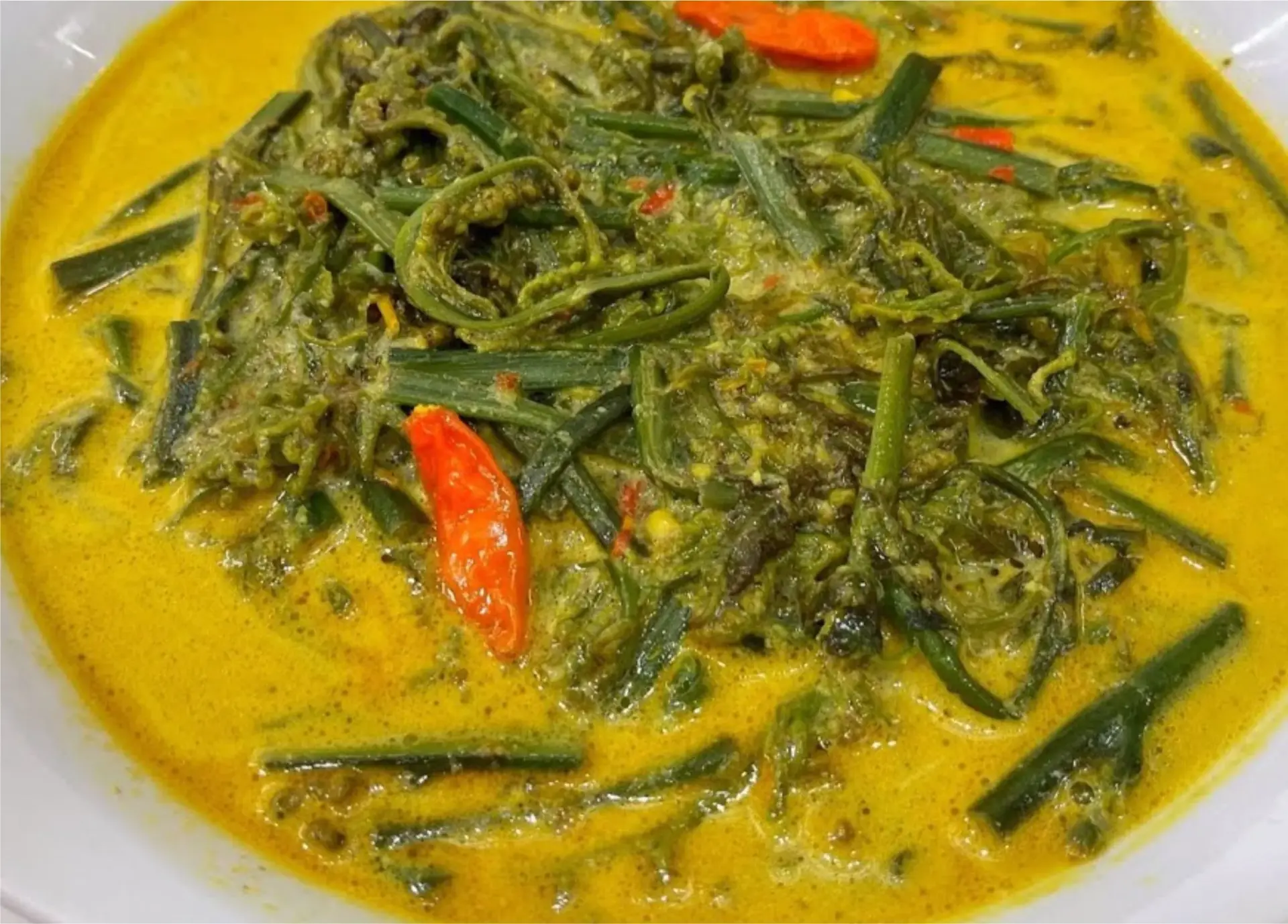
- Sayur pakis santan (fern cooked in coconut milk)
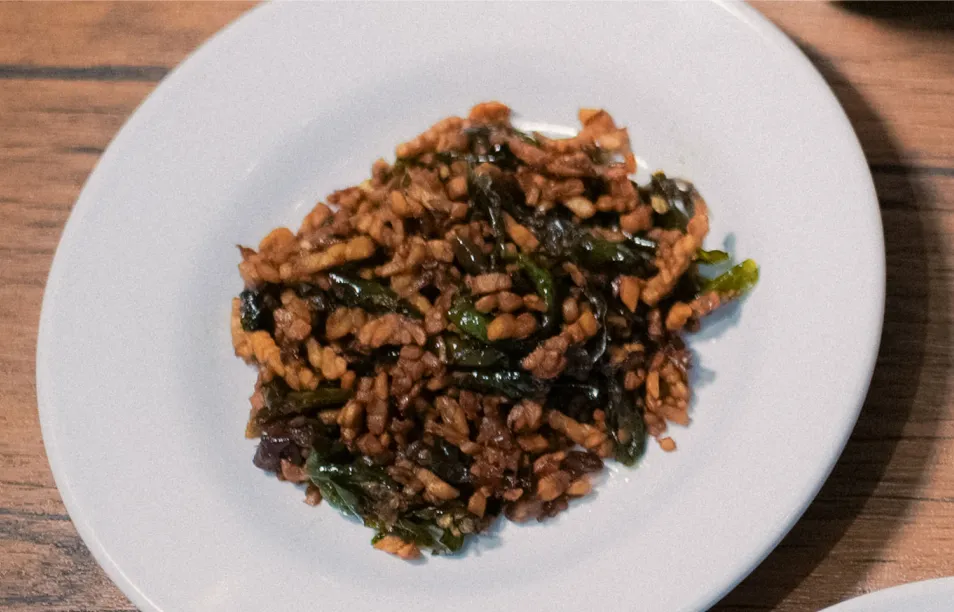
- Tempe orek (sweet soy glazed tempeh)
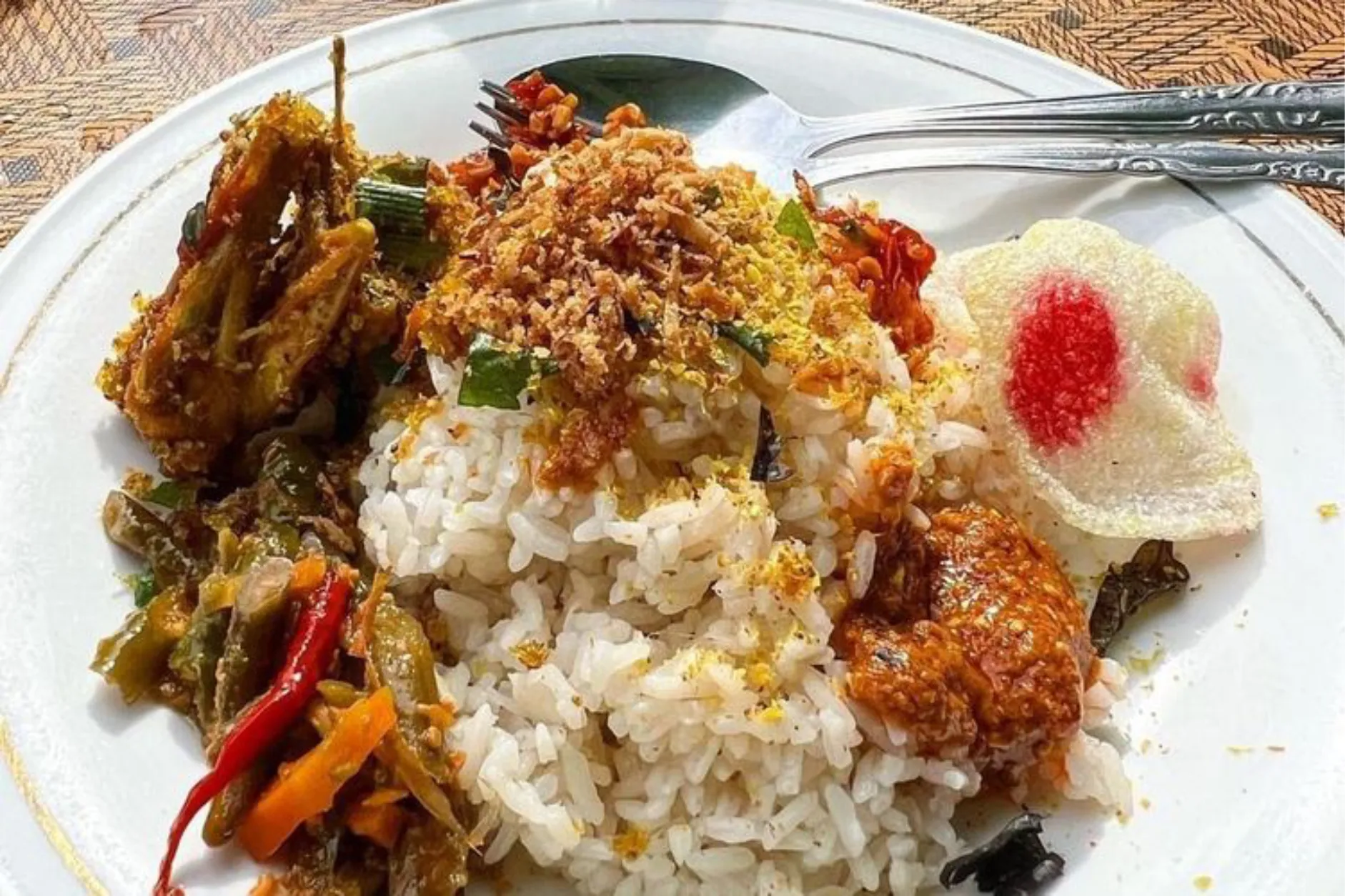
- Nasi gurih (fragrant coconut rice)
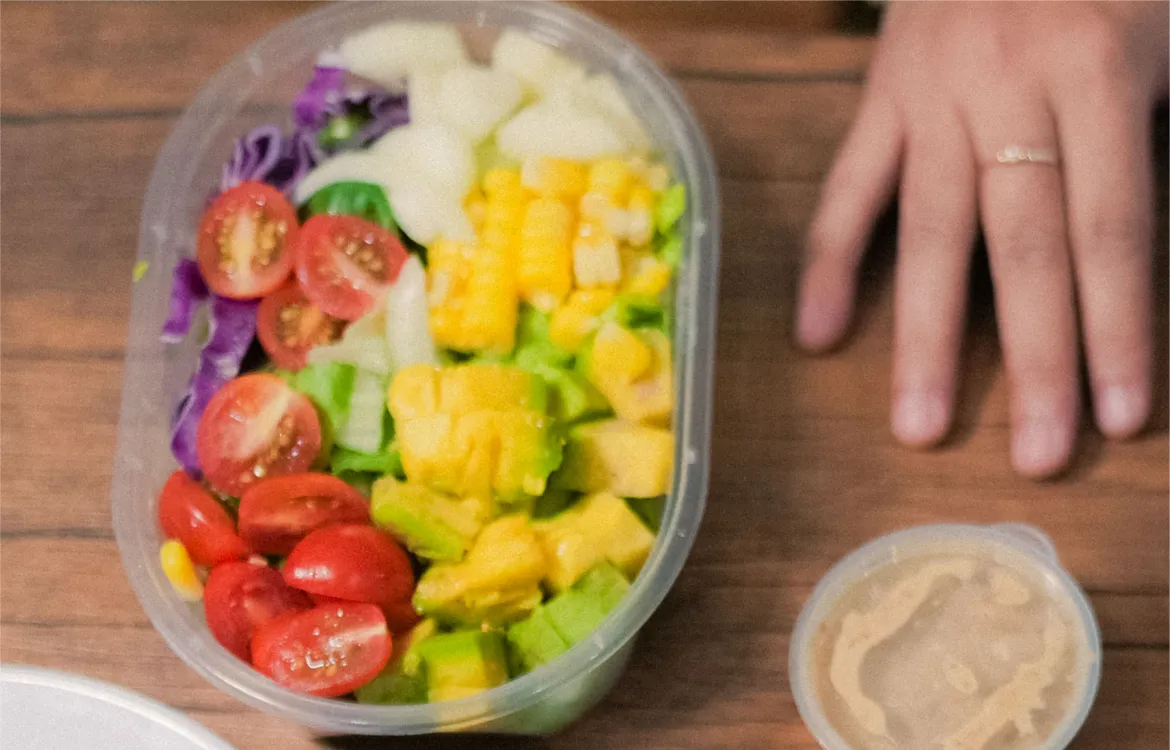
Salad sayur (vegetable salad)
These menus serve more than 12,000 students and staff every day, meeting diverse dietary needs while keeping meals affordable and healthy.
An audit in 2024 by the Green Campus Sustainability Team (UIGM USU) with the Faculty of Public Health and the Faculty of Agriculture found that 71% of canteens regularly serve vegetarian meals, and 35% clearly label vegan options at least twice a week.
Local Sourcing and Greener Operations
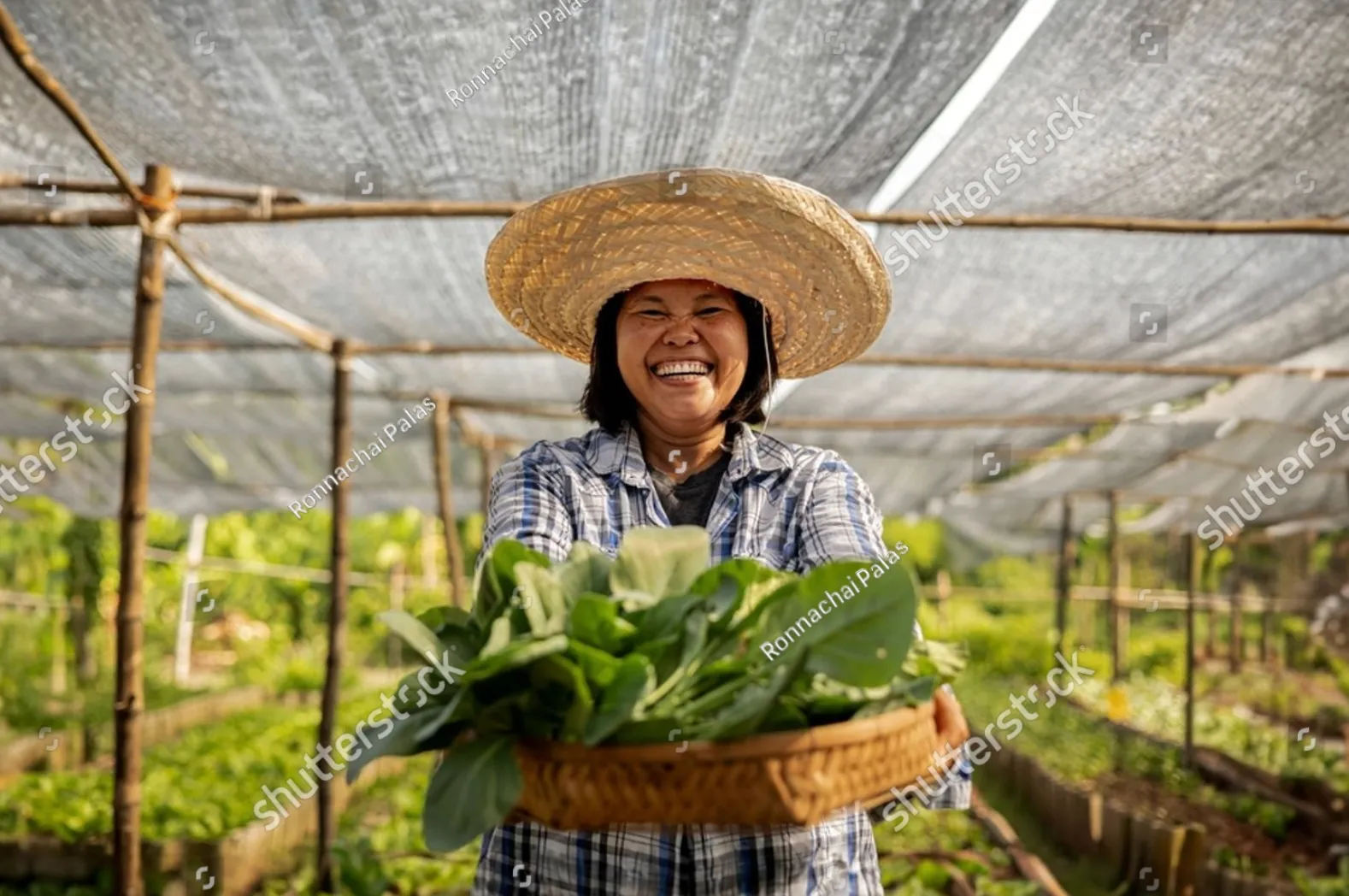
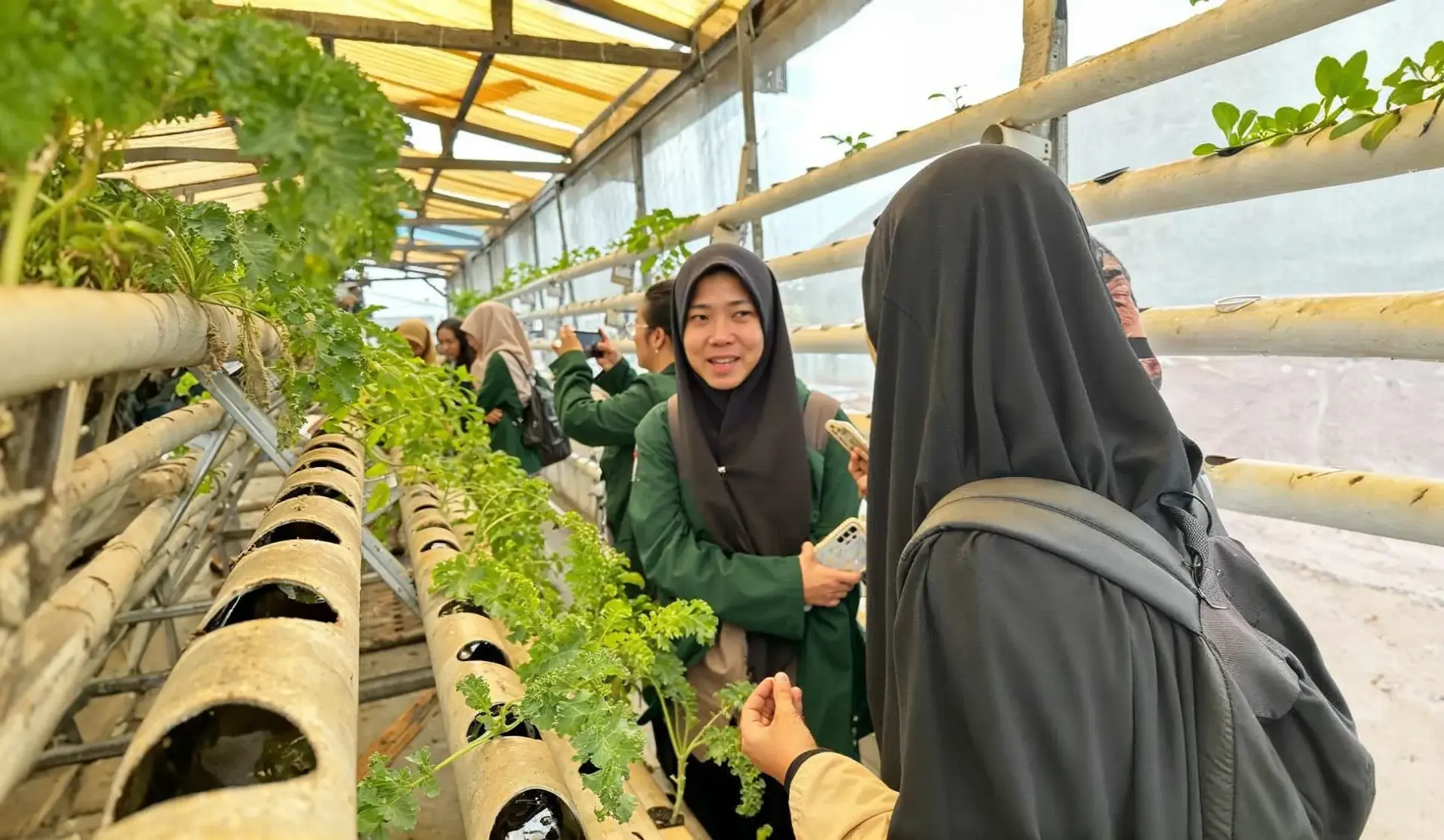
USU prioritizes local and organic sourcing to ensure freshness, quality, and lower environmental impact. Many plant‑based ingredients come from farmers in the Medan area and from the Faculty of Agriculture’s community‑supported agroecological farms (Desa Binaan). This approach strengthens university–community ties while reducing the campus carbon footprint.
To cut packaging waste, campus cafés and canteens have shifted to eco‑friendly packaging, replacing single‑use plastics with paper‑based containers and biodegradable cups. Hot beverages such as coffee and tea are served in paper cups, and takeaway meals use recyclable or compostable materials.
Reducing Food Waste
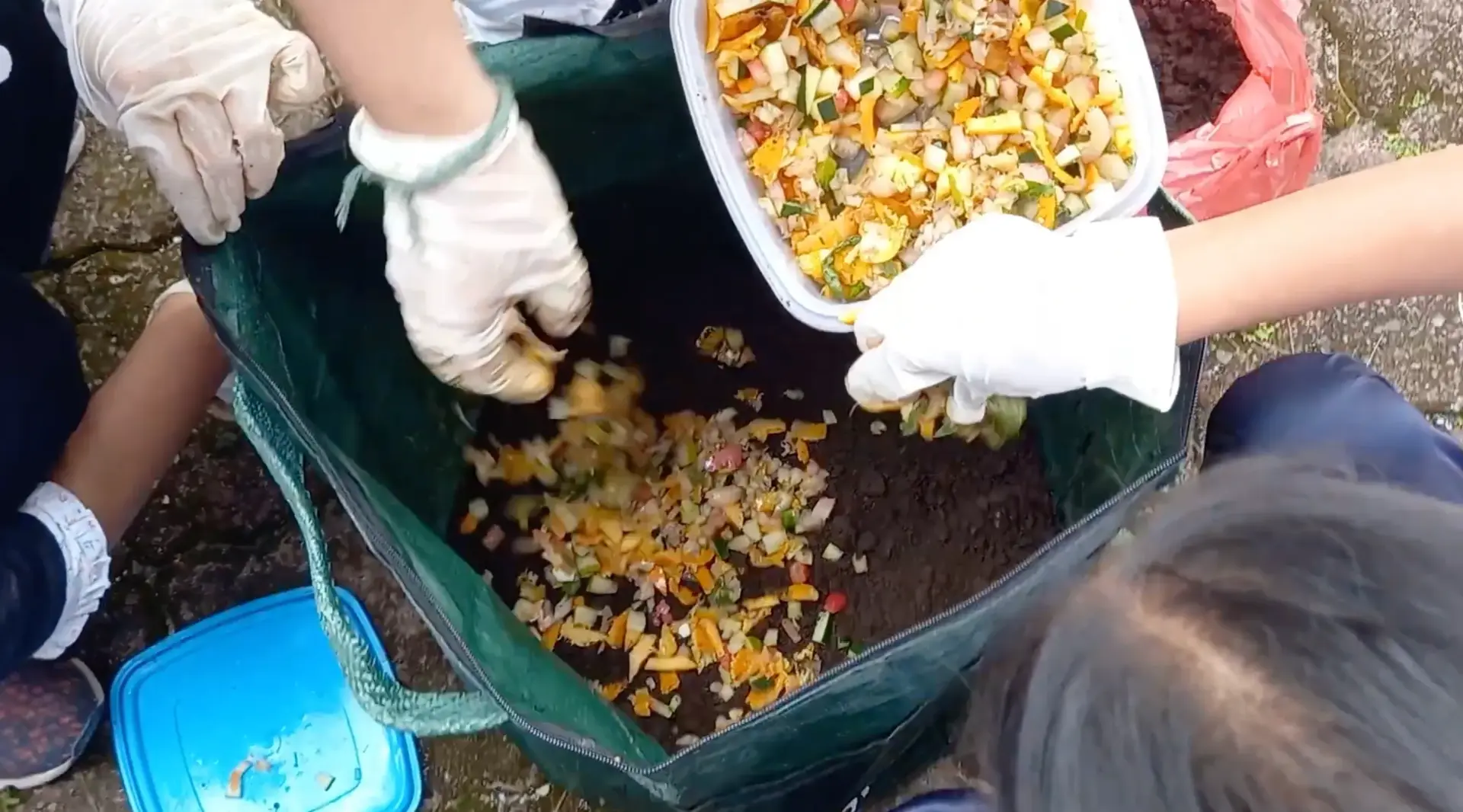
Under the Zero Waste Campus Initiative, leftover food and organic waste are collected and processed by the Integrated Waste Management Unit into compost. The compost supports campus landscaping and community urban farming programmes, ensuring valuable nutrients are returned to the soil rather than discarded.
Education and Awareness for a Sustainable Food Culture
Beyond policy, USU promotes a culture of sustainable eating through the “Sadar Pangan Berkelanjutan” (Sustainable Food Awareness) campaign led by UIGM USU and the Faculty of Public Health. In 2024, the campaign hosted eight workshops and nutrition booths, reaching more than 2,500 students and staff. Topics included the health benefits of plant‑based diets, the importance of local food systems, and practical ways to reduce food waste.
By integrating sustainable menu design, local sourcing, eco‑friendly packaging, food‑waste recovery, and hands‑on education, USU has built a campus food ecosystem that supports human health and planetary well‑being—a practical, culturally relevant model for sustainable food systems in Indonesian higher education.