


Medan, Indonesia (17 December 2024) – Universitas Sumatera Utara (USU) is deepening its contribution to the protection of rivers, wetlands, and coastal waters through a combination of research, technology, and collaboration. From mangrove forests and peatlands to rivers and seawater, USU’s academics and research centres are working to strengthen the resilience of aquatic ecosystems that regulate water quality, biodiversity, and climate stability.
Mangrove resilience and coastal carbon stock
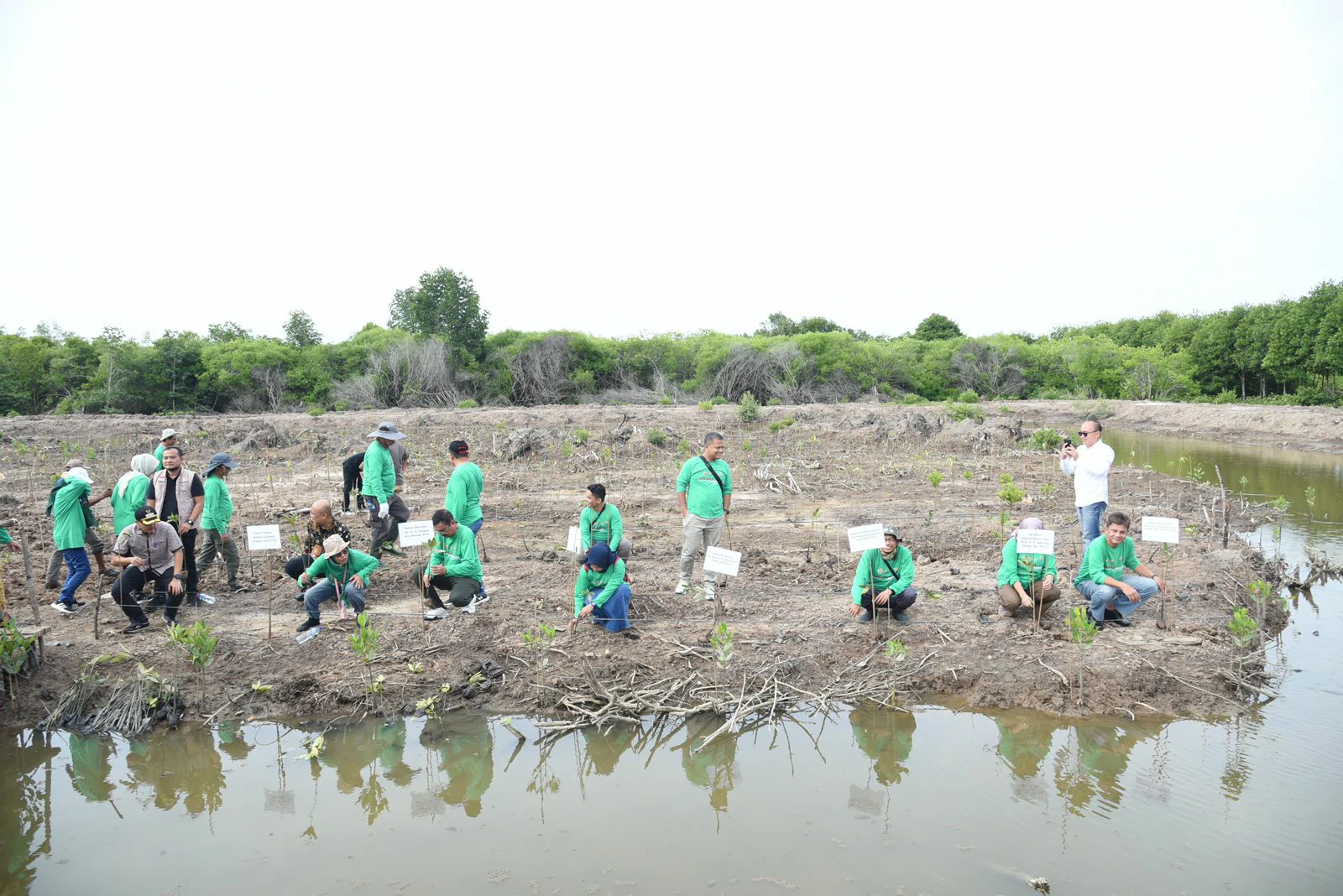
USU has carried out extensive studies on mangrove ecosystem resilience, coastal carbon stocks, and hydrological landscape conditions. Research activities include:
measuring biomass and carbon stock in mangrove forests;
analysing how mangroves help buffer storm surges and prevent coastal erosion;
assessing their role in carbon sequestration and greenhouse gas mitigation.
The data generated from these projects provide a scientific basis for sustainable coastal management and restoration plans. Policymakers, local governments, and conservation organisations use USU’s findings to design programmes for mangrove rehabilitation, coastal protection, and ecosystem‑based climate adaptation.
Peatland and aquatic landscape management through GIZ-SUPA
.png)
source: giz.de
USU also participates in the GIZ‑SUPA (Sustainable Use of Peatland and Haze Mitigation in ASEAN) programme, which focuses on the sustainable use of peatlands and the reduction of haze in the region. Within this collaboration, USU researchers examine:
how chemical and hydrological disturbances affect peat and wetland ecosystems;
land‑use practices that can maintain natural water flow and reduce fire and haze risks;
the links between peatland management, water regulation, and downstream aquatic health.
The work emphasises that protecting peatlands and wetlands upstream is essential for safeguarding rivers, lakes, and coastal waters downstream, since these systems are connected through the same hydrological network.
Spatial modelling and ecological indices for early warning
To support evidence‑based decision‑making, USU applies spatial modelling and ecological index methods to analyse landscape conditions and detect early signs of degradation. Using GIS, remote sensing, and hydrological simulation, researchers:
map vegetation cover, water bodies, and land‑use change;
identify areas where ecosystems are under stress;
provide scenario-based advice to local governments, conservation agencies, and industries on how to reduce ecological pressure at the watershed scale.
These tools help stakeholders intervene before damage becomes irreversible, whether in wetlands, river corridors, or coastal habitats.
Action-oriented research on water quality and pollution
USU also takes action on water quality through targeted research projects that address pollution risks in inland and coastal waters. Among the highlighted studies are:
Comparison of mercury (Hg), cadmium (Cd), and lead (Pb) in Ihan Batak (Tor soro), water, and sediment in the Asahan River, which is affected by industrial effluents. This research examines how heavy metals accumulate in fish, water, and sediment and provides recommendations for pollution management and safer aquatic resource use.
.png)
Use of blood cockle shell waste to clarify water containing synthetic dyes, exploring low‑cost adsorbent materials to treat coloured wastewater from textile or dye‑using industries.
.png)
Effectiveness of blood cockle shells in mitigating water pollution, which evaluates how shell-based materials can help remove pollutants and contribute to community-scale water treatment solutions.
.png)
Palm shell powder as a solution for seawater purification, which looks at locally available biomass as a medium for improving seawater quality in coastal and industrial applications.
.png)
These projects share a common goal: turning local materials and scientific insight into practical tools for cleaning and protecting water bodies, thereby reducing the load of contaminants that can eventually reach rivers, estuaries, and the sea.
Wastewater treatment infrastructure (WWTP/IPAL) on campus
Alongside research, USU operates several wastewater treatment plants (WWTPs)—known in Indonesia as IPAL (Instalasi Pengolahan Air Limbah)—to ensure that wastewater from campus facilities is properly treated before it returns to the environment.
Key installations include:
Sewage Treatment Plant at the Digital Learning Center Building (DLCB)
The DLC system processes domestic wastewater using a combination of physical, biological, and, where needed, chemical treatment stages. Treated water is reused for non‑potable purposes, such as cleaning and sanitation, which reduces freshwater consumption and prevents untreated discharge into the surrounding area.png)
USU Hospital WWTP
Hospital wastewater contains a mix of organic load and medical-related contaminants. The USU Hospital uses an aeration-based treatment system that supports biological breakdown of pollutants, followed by clarification and disinfection. Only water that meets environmental standards is discharged, helping protect nearby waterways and public healt.png)
USU Dental and Oral Hospital WWTP
This facility applies Bio‑Bless biotechnology, a compact, bio‑filtration approach designed to treat clinical wastewater safely. The system reduces organic pollutants and pathogens, thereby minimising potential harm to the environment.Johkasou unit at the Department of Environmental Engineering
The Johkasou system, introduced through collaboration with JICA (Japan International Cooperation Agency), is a high‑efficiency small‑scale treatment unit capable of treating up to 90% of liquid waste from its catchment. It serves both as a functional treatment plant and as a teaching and demonstration facility for students learning about sustainable wastewater management.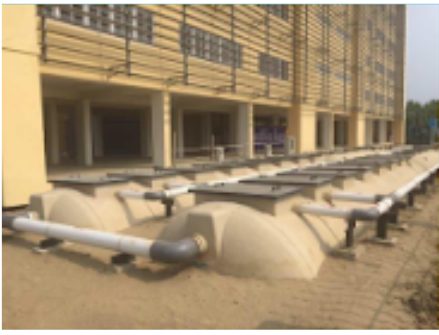
source: jica.go.jp
Together, these WWTP/IPAL facilities demonstrate USU’s commitment to sustainable water management, ensuring that wastewater from teaching, research, and healthcare operations is treated in line with regulatory standards and does not degrade aquatic ecosystems.
By connecting carbon science, wetland and mangrove monitoring, spatial technology, water‑quality research, and operational wastewater treatment, Universitas Sumatera Utara demonstrates a holistic approach to safeguarding aquatic ecosystems at the land–water and land–sea interface.
Through these proactive initiatives and partnerships, USU reinforces its role as a leading institution in evidence-based conservation and sustainable environmental management in Indonesia and across Southeast Asia.