The pursuit of SDG 2, Zero Hunger at Universitas Sumatera Utara reflects a comprehensive and science-based strategy that goes beyond increasing yields—it aims to ensure sustainable, nutritious, and inclusive food systems. Through interdisciplinary research, community engagement, and technological innovation, USU develops practical solutions that improve food productivity, nutritional value, and environmental balance. The university’s initiatives encompass smart agriculture, functional food development, eco-efficient farming inputs, and the valorization of underutilized natural resources—all grounded in local relevance yet connected to global sustainability standards.
Sharing Meals, Building Resilience: USU’s Food Security Actions for Students and Neighbors
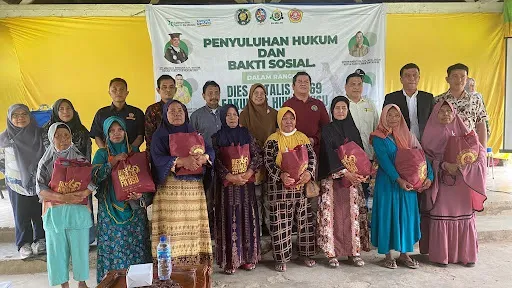
Universitas Sumatera Utara advances campus and community food security through routine meal-sharing and inclusive social support. A flagship initiative is the Friday meal program—popularly known as “Nasi Berkah”—which provides free boxed meals after congregational prayers at campus mosques, easing students’ daily food costs while fostering solidarity among worshippers, staff, and local residents. Framed as a weekly act of mutual care, the program complements broader welfare efforts across faculties and units.
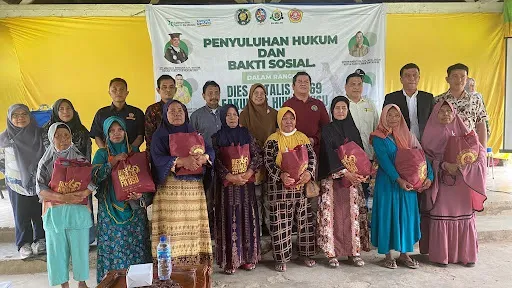
Seasonal assistance amplifies this support during religious holidays through staple-food packages in Ramadan and ahead of Eid al-Fitr, as well as the distribution of qurban meat during Eid al-Adha—benefiting students, staff, and surrounding communities. USU also integrates nutrition education and outreach (e.g., balanced-diet counseling linked to national “Makan Bergizi” initiatives) and has mobilized targeted meal support during crises, including partnerships that supplied ready-to-eat food for medical personnel. Together, these actions strengthen household food access, improve dietary practices, and embody USU’s sustained commitment to SDG 2 (Zero Hunger) while reinforcing co-benefits for health and social cohesion.
Collaboration Reduces Stunting and Strengthens Food Security in Serdang Bedagai
Universitas Sumatera Utara demonstrates its strong commitment to Sustainable Development Goal 2 (Zero Hunger) through a collaborative research and community empowerment program aimed at reducing childhood stunting in Serdang Bedagai Regency. The initiative brings together researchers from the Faculty of Medicine and Faculty of Public Health (FKM USU), local government agencies, and community health workers to tackle the root causes of malnutrition through evidence-based strategies.
USU’s research team conducted comprehensive studies on the nutritional status, dietary diversity, and socio-economic conditions of families at risk. Based on these findings, targeted interventions were designed to improve maternal and child nutrition through education, counseling, and food diversification programs. Mothers, midwives, and posyandu cadres received hands-on training on balanced diets, local food utilization, and hygiene practices to ensure sustainable behavioral change.
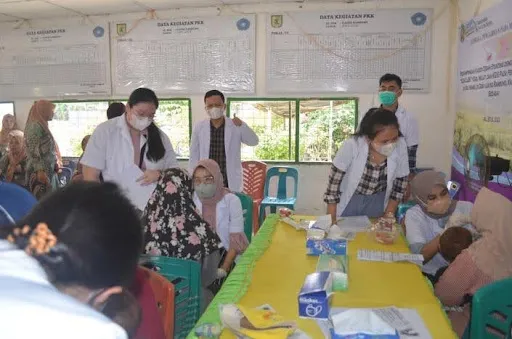
The collaboration between USU and the Serdang Bedagai District Health Office resulted in measurable improvements in child nutrition and a notable reduction in local stunting rates. This initiative not only strengthens food and nutrition security but also enhances community resilience and human capital development. Through science-based community engagement, USU reaffirms its vital role in eradicating hunger and improving public health across North Sumatra.
Sustainable Agro-Technology for Food Security
Research at USU has introduced controlled-release biocomposites made from breadfruit starch and modified bentonite as eco-friendly carriers for agricultural inputs. This innovation minimizes pesticide overuse by releasing active ingredients in a regulated manner, reducing chemical runoff and safeguarding both soil and water ecosystems. By supporting farmers with safer, cost-efficient pest management technologies, the research promotes sustainable intensification—a key pathway toward reliable and environmentally responsible food production.
Enhancing Nutrition through Local Food Innovation
USU’s studies on Red Palm Oil (RPO) exemplify how nutrition science can reinforce food security. The research analyzes RPO’s superior β-carotene content, highlighting its role in addressing vitamin A deficiency and boosting immunity. Findings reveal that proper cooking methods, such as moderate-heat stirring, help preserve essential nutrients. This evidence supports public education campaigns that advocate healthy cooking practices and wider community access to nutrient-rich, locally available oils—strengthening the nutritional dimension of food security.

Smart Farming and Digital Agriculture
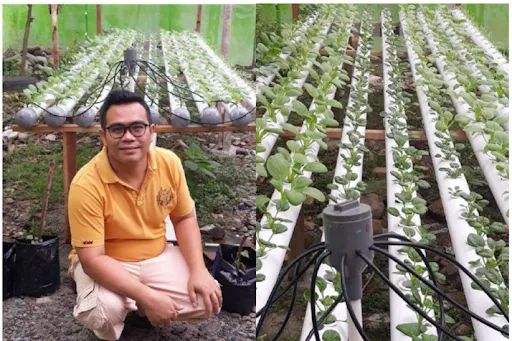
Through its Smart Farming Program in Banyumas Village, Langkat, USU applies Internet of Things (IoT) and Machine Learning (ML) technology to enhance self-sufficiency and reduce dependence on food imports. IoT sensors collect real-time data on weather, soil health, and crop growth, while ML models analyze this data to generate predictive insights—helping farmers decide optimal planting times, irrigation schedules, and crop types. The program has demonstrated how digital transformation in agriculture can increase yields, lower production risks, and empower rural farmers to make data driven decisions for sustainable livelihoood.
Functional Foods for Health and Nutrition
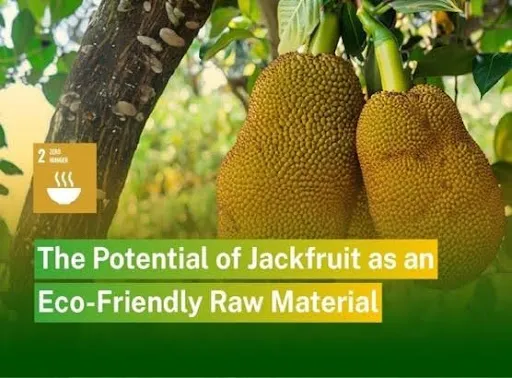
USU’s work on jackfruit seed-based resistant starch explores how indigenous resources can produce functional foods that regulate blood sugar and promote balanced nutrition. By applying Heat Moisture Treatment (HMT) techniques to stabilize starch structure, researchers developed noodles with lower glycemic indices suitable for diabetes management. This project combines agricultural innovation with public-health relevance, advancing both SDG 2 (Zero Hunger) and SDG 3 (Good Health and Well-Being) through the creation of affordable, nutritious foods.
Sustainable Mycoculture for Diversified Protein Sources
Another strand of research focuses on Lion’s Mane mushrooms (Hericium erinaceus)—a high-value functional food with medicinal potential. Studies on substrate composition, temperature, and humidity optimization have yielded best-practice guidelines for mushroom cultivation, encouraging smallholder participation in sustainable protein production. This work provides rural communities with an alternative, nutrient-dense food source that complements plant- and animal-based diets while generating economic opportunities.