


Building a Shared Evidence Base: USU’s e-ASIA & APN Alliances Standardize Mangrove Monitoring
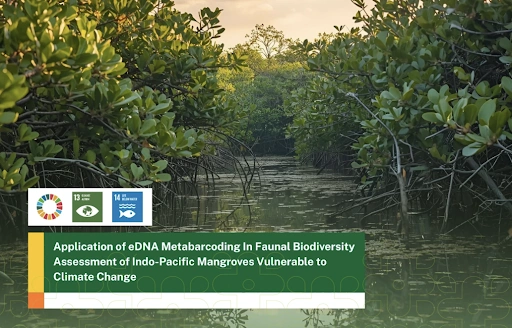
In environmental science, USU joined the e-ASIA Joint Research Program with universities in Japan and the Philippines to develop a standardized environmental DNA (eDNA) biomonitoring tool for mangrove ecosystems, advancing indicators for SDGs 13–15. Complementing this effort, USU researchers contributed to the Asia-Pacific Network for Global Change Research (APN) to build a shared eDNA reference database for Southeast Asian mangroves, led by Prof. Mohammad Basyuni. To accelerate method alignment and capacity building, USU hosted a Top Scientist Seminar in May 2024 focused on Malaysian mangrove eDNA, enhancing regional protocol harmonization and data comparability.

Building Better SDG Calculations: USU–Malaysia Joint Data Collection Across Global Geoparks
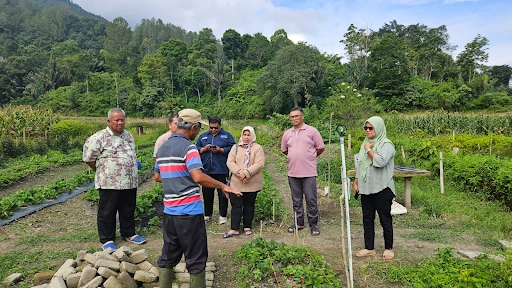
Beyond biodiversity, USU and Malaysian partners conducted joint field research on geopark-based sustainable tourism at the Lake Toba Global Geopark (Indonesia) and Langkawi Global Geopark (Malaysia). The multi-site observations and on-site assessments produced datasets that inform SDG 8 (Decent Work and Economic Growth) and SDG 13 (Climate Action), while demonstrating a practical model for cross-border evidence generation.
International Health Data Partnerships: USU, Monash University dan National University of SIngapore Harmonizes TB, HIV, and Youth Mental Health Metrics for SDG 3

In public health, USU’s teaching hospital RSUP H. Adam Malik participated in the INA-RESPOND network—a collaboration between Indonesia’s Ministry of Health and the U.S. NIH/NIAID—to produce harmonized datasets on infectious diseases such as tuberculosis and HIV (SDG 3). The Faculty of Medicine further partnered with Monash University Indonesia and the SingHealth Duke-NUS Global Health Institute in a 2024 research-results workshop on pandemic preparedness. USU scholars also contributed to the Indonesia National Adolescent Mental Health Survey (I-NAMHS) with the University of Queensland and Johns Hopkins University, delivering the country’s first baseline statistics on youth mental health.