


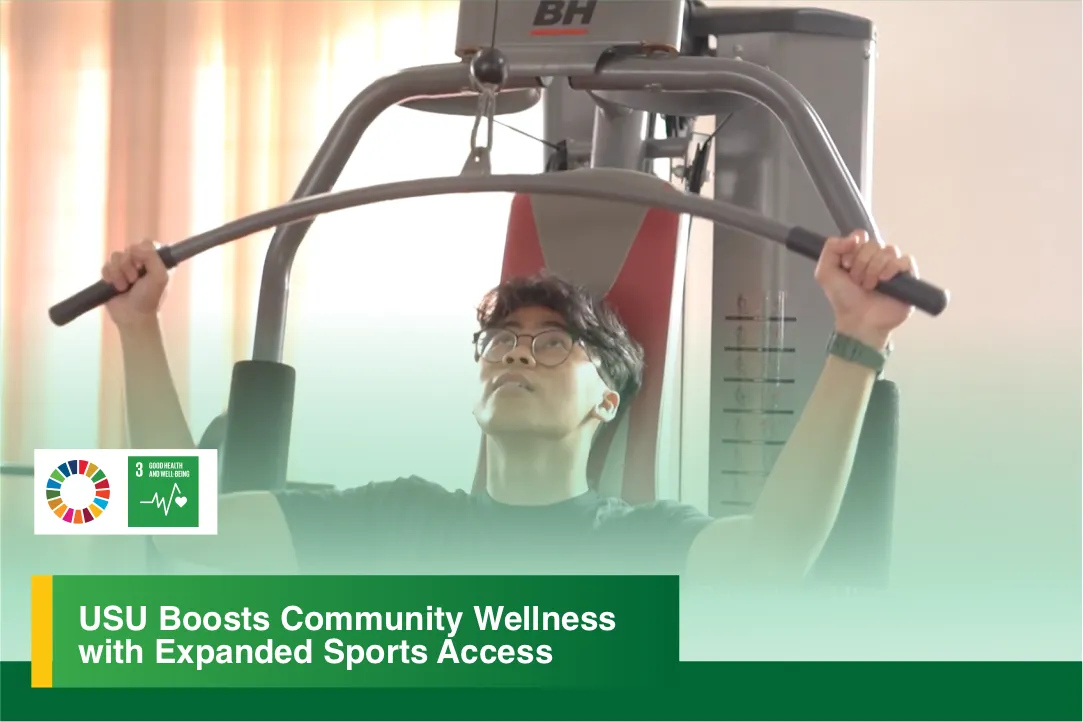
Medan, (August 5, 2024) — Universitas Sumatera Utara (USU) is reinforcing its public‑health mandate by opening campus sports and recreational facilities to students and local residents, positioning physical activity as a pillar of community well‑being. Launched in 2024, the initiative aligns with Sustainable Development Goal 3: Good Health and Well‑Being and reflects the university’s view that access to quality sports infrastructure is a practical lever for healthier, more connected neighborhoods.
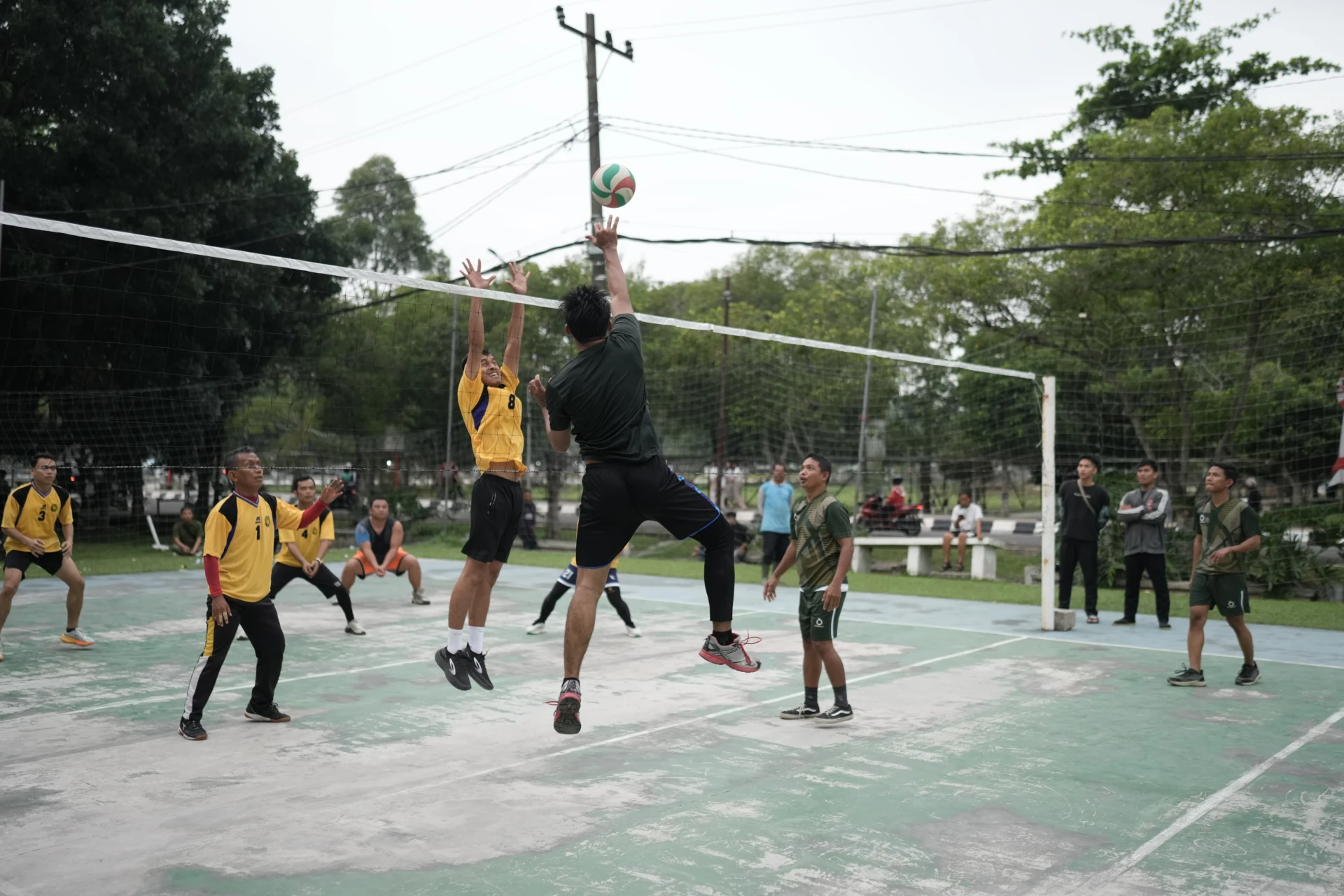
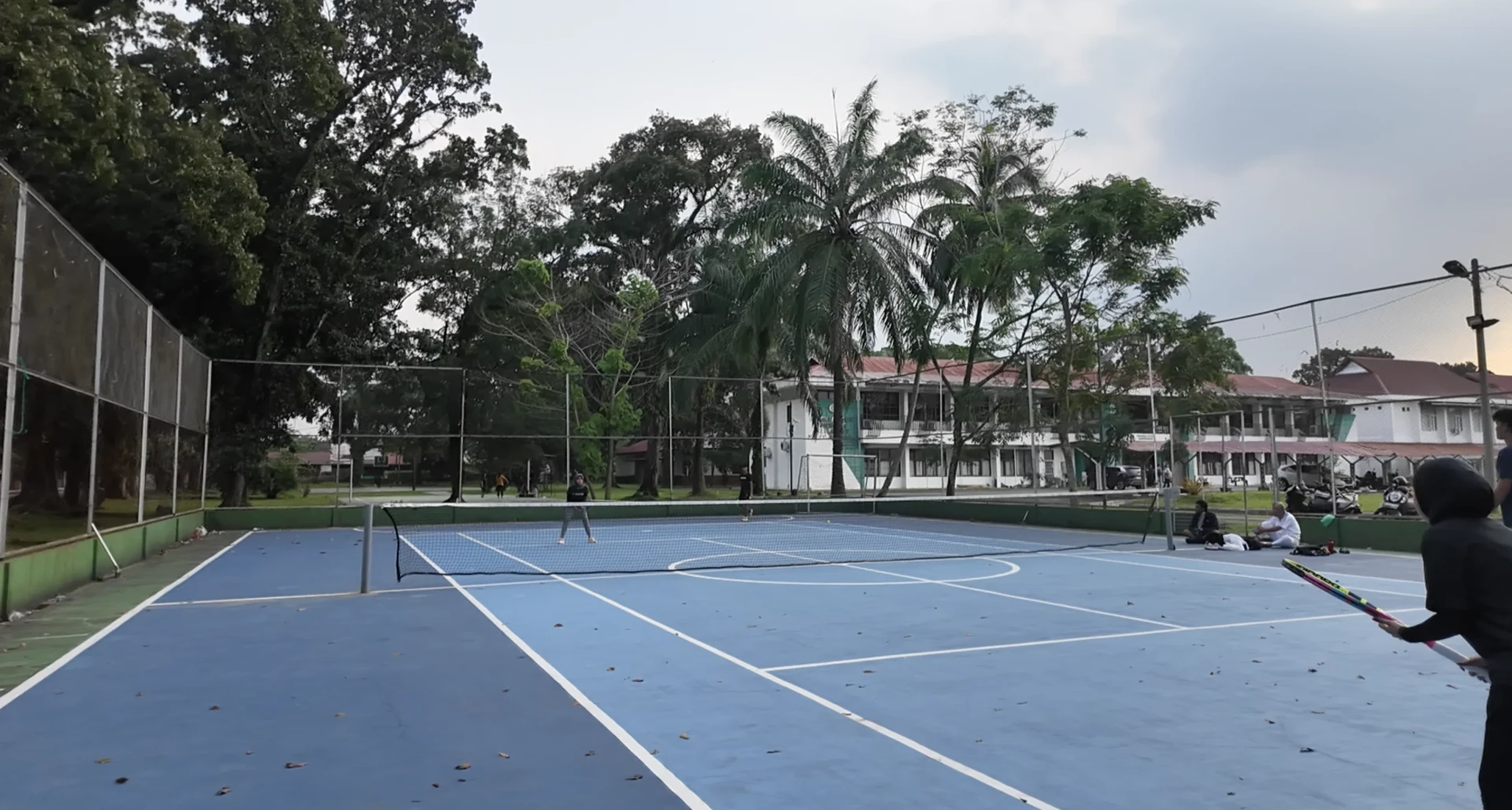
USU’s main sports complex anchors the effort. The site includes a modern stadium, an indoor gymnasium, tennis courts, volleyball and basketball courts, a 400‑meter running track, and multi‑purpose open fields. In addition to academic use and student competitions, the university operates a coordinated scheduling system so local schools, youth sports clubs, and residents can train and play on campus. The aim is twofold: to broaden access to safe, well‑maintained facilities and to cultivate regular exercise habits among people of different ages and abilities.
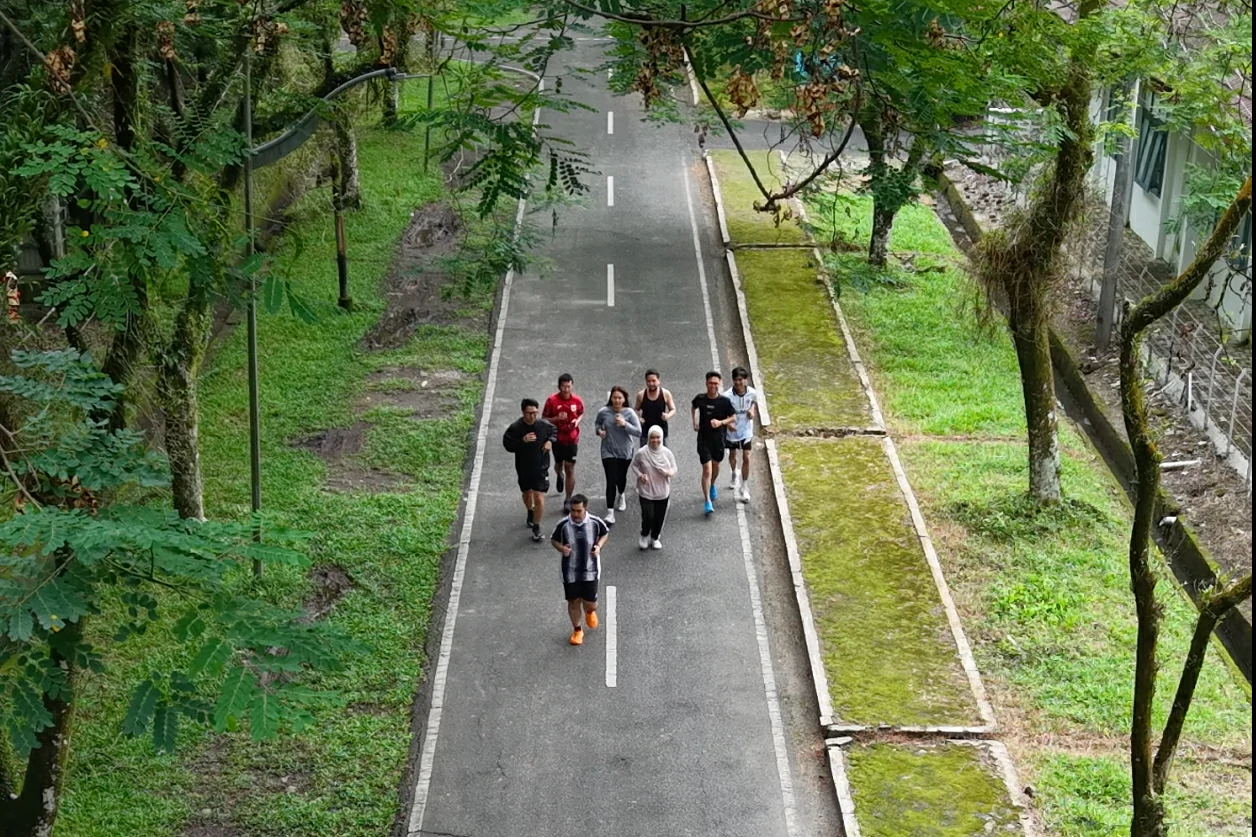
Programming throughout 2024 underscored that approach. In collaboration with the North Sumatra Youth and Sports Agency and local health clinics, USU hosted 27 community‑based activities, from youth football leagues and regional athletics meets to open fitness sessions. Several high schools in Medan incorporated the university stadium and track into their physical‑education timetables, giving students the opportunity to practice in professional‑grade environments. The university reports that structured access and predictable timetables help schools and clubs plan training cycles, while shared facility standards support safety and injury prevention.
Public‑health promotion is woven into the calendar of activities. More than 1,200 local participants joined fitness workshops, yoga sessions, and community sports programs organized by the university. These sessions emphasized evidence‑based topics—active aging, flexibility and core stability, safe training loads, and basic injury prevention—so participants leave with practical routines they can continue at home. The intent is to complement formal health services with upstream prevention: encouraging regular movement, improving functional fitness, and creating social spaces that make healthy behavior easier to sustain.
 University leadership frames the program as part of a broader social‑responsibility agenda. “As a higher education institution, Universitas Sumatera Utara has a responsibility to contribute to society by promoting health and well‑being through inclusive programs. By opening our sports facilities, we aim to encourage active lifestyles and strengthen social connections,” said Professor Dr. Muryanto Amin, Rector of USU. The statement reflects a campus‑wide view that teaching, research, and service should converge on measurable benefits for surrounding communities as well as for students and staff.
Governance mechanisms are designed to keep the expansion disciplined and aligned with public interest. All community activities conducted at USU sports facilities operate under Memorandums of Understanding (MoUs) with the North Sumatra Youth and Sports Agency and participating schools. The MoUs spell out schedules, safety and maintenance standards, and shared responsibilities, ensuring that each program supports the university’s health‑promotion and sustainability objectives. This structure also helps partners evaluate outcomes—attendance, participation by age group, and feedback from coaches and participants—so programming can be refined over time.
 The initiative sits within USU’s Healthy Campus vision, which integrates education, research, and community service to promote active living and mental well‑being. Faculty experts contribute to curriculum‑linked workshops; student volunteers assist with event logistics and outreach; and health‑clinic partners offer basic screenings or referrals at larger events when appropriate. By embedding physical‑activity promotion into a university setting—with its existing coaching expertise, facilities, and quality‑assurance procedures—USU reduces barriers that often limit community participation, such as cost, distance, or inconsistent facility availability.
Taken together, the opening of facilities, the growth in community programming, and the formalized partnerships indicate a model that is both scalable and accountable. Residents gain reliable access to spaces that encourage movement; schools broaden their athletic options without major infrastructure investments; and students benefit from hands‑on learning about sports management, health education, and public engagement. In advancing SDG 3, the university demonstrates how a public institution can convert campus assets into shared value—supporting more active lifestyles today and laying the groundwork for healthier communities in the years ahead.