


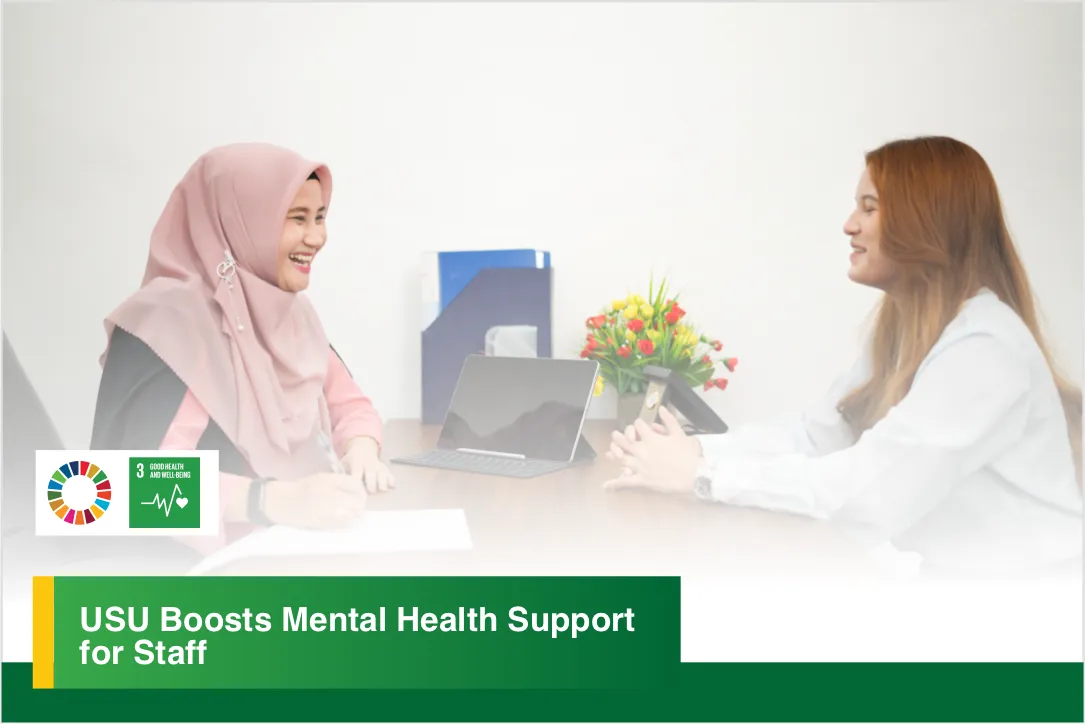
Medan, (March 15, 2024) — Universitas Sumatera Utara (USU) is strengthening its support for employee well‑being with an expanded package of mental‑health services that blends clinical care, preventive programming, and digital access. The initiative reflects a university‑wide commitment to building a healthy, productive workplace in which staff can seek timely help, develop practical coping skills, and maintain a sustainable work–life balance. Framed within SDG 3 (Good Health and Well‑Being), the approach prioritizes confidentiality, evidence‑based care, and ease of access for a diverse workforce.
At the center of the system is the Psychology Service Clinic, which provides psychological counseling, personality assessments, mental‑health evaluations, and therapy sessions. In 2024, more than 650 staff members used these services for concerns ranging from stress and anxiety to burnout and related challenges. The clinic’s model is designed to meet staff where they are: confidential intake, individualized care plans, and—where appropriate—structured follow‑ups that help employees sustain progress beyond a single appointment. By offering both assessment and therapy under one roof, the clinic ensures that staff receive the right level of support without unnecessary delays or referrals that break continuity.
_11zon.webp)
Clinical provision is complemented by campus‑wide prevention and capacity‑building. The university’s Health Center offers general mental‑health consultations and coordinates referrals to psychologists and psychiatrists when specialized care is needed, ensuring clear pathways between initial screening and advanced treatment. Working in tandem, the Human Resources Bureau partners with faculties and administrative units to deliver a calendar of well‑being programs—stress‑management workshops, emotional‑intelligence training, and mindfulness sessions—that equip staff with practical tools to manage pressure, improve emotional regulation, and build resilience. In 2024, more than 300 employees participated in these programs, an indicator of growing demand for structured, skills‑based support within the workplace.
Recognizing that access is as important as availability, USU introduced a digital counseling platform and an internal referral system to extend reach across different roles and schedules. These additions are particularly valuable for remote workers and staff on shifts, who may face barriers to attending in‑person sessions. The digital platform enables confidential contact with counselors and facilitates follow‑up check‑ins, while the internal referral system links the Psychology Service Clinic, the Health Center, and relevant units so that employees can move smoothly between services without repeating histories or losing momentum in care.
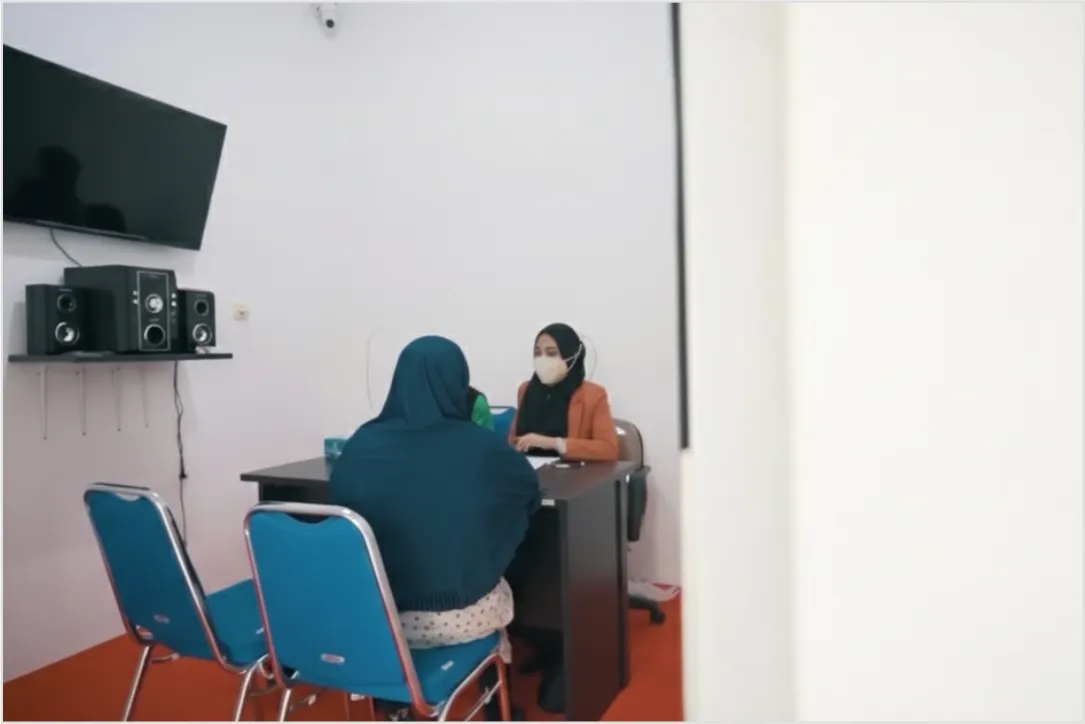
USU situates these efforts within a clear institutional framework. All mental‑health programs operate under the university’s overarching policies on employee well‑being and sustainability and are supported by formal agreements with health professionals and mental‑health organizations to safeguard quality and continuity of care. The focus on governance is practical: defined roles, documented pathways, and shared standards ensure that staff receive consistent support whether they begin with the Health Center, participate in an HR‑led workshop, or contact the Psychology Service Clinic directly. Confidentiality is treated as foundational to trust, with private settings for counseling and careful handling of personal information throughout the referral process.
The university’s strategy is deliberately preventive as well as therapeutic. By normalizing help‑seeking through visible programs and leadership communications, USU aims to reduce stigma and encourage earlier engagement with services—before stress escalates into crisis. Workshops are scheduled around peak workload periods; mindfulness and brief coping practices are integrated into sessions that staff can carry back to their teams; and post‑program resources point participants to counseling or follow‑up training as needed. Together, these measures help translate awareness into durable habits that support individual well‑being and team performance.
USU’s leadership frames the expansion as part of a broader social‑responsibility agenda: a healthy campus includes healthy workplaces. The university’s approach aligns day‑to‑day services with long‑term goals—protecting staff health, sustaining academic and administrative quality, and modeling an evidence‑informed pathway other institutions can adopt. By combining confidential clinical care with skills‑based well‑being programs, digital access, and coordinated referrals, Universitas Sumatera Utara demonstrates how an employer can make mental‑health support both comprehensive and practical. The result is a workplace in which staff are better positioned to thrive—professionally and personally—while the institution advances its mission with care at the center.