


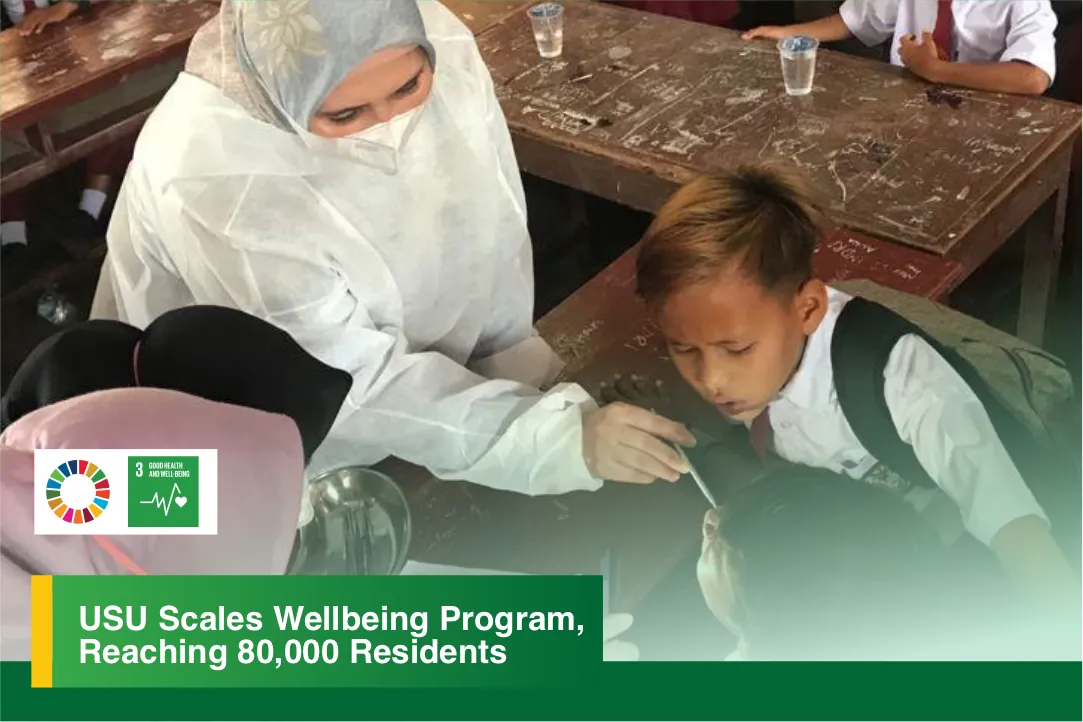
Medan, (December 12, 2024) — Universitas Sumatera Utara (USU) has expanded a university‑wide Community Wellbeing Program that links academic learning with measurable health outcomes across North Sumatra. Over the past year, USU delivered 429 community projects that reached more than 80,000 residents in 14 districts, mobilizing 5,200 students and 780 lecturers from the Faculties of Medicine, Dentistry, Public Health, Nursing, and Pharmacy. The effort positions the university as both an education provider and an implementation partner for local health priorities, translating classroom knowledge into accessible services for households and neighborhoods.
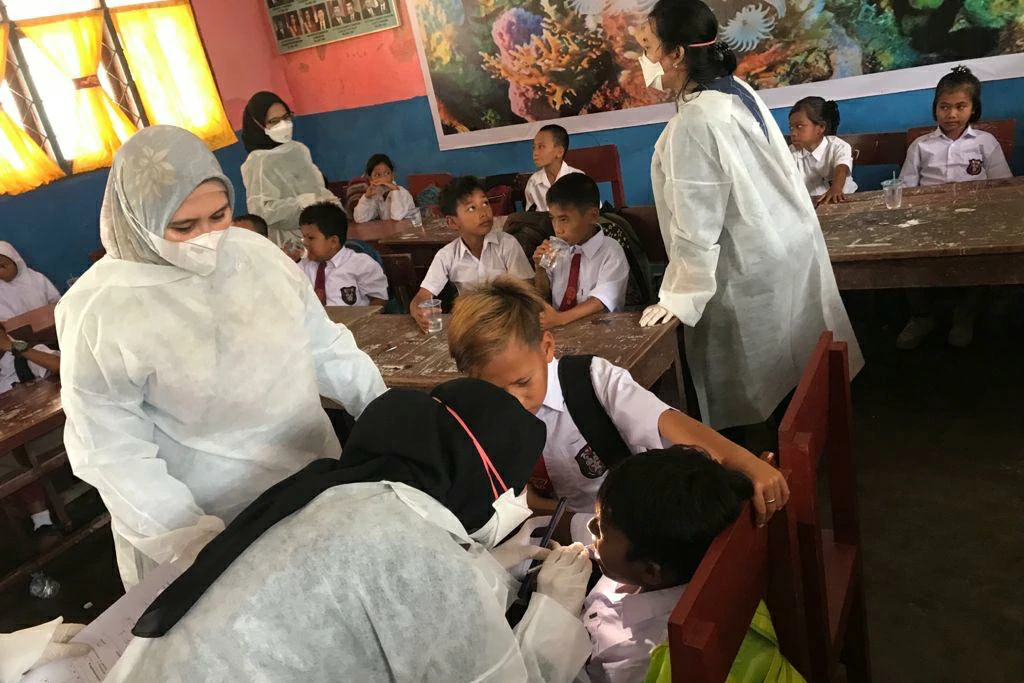
A core focus of the program is expanding access to preventive and basic health services. In partnership with the North Sumatra Provincial Health Office and the National Population and Family Planning Agency (BKKBN), USU organized stunting‑prevention and child‑nutrition campaigns that reached 6,500 families. Activities combined health education with counseling on balanced diets, growth monitoring, and structured referral pathways to nearby clinics, ensuring that advice is backed by follow‑up care. Complementing these campaigns, the Faculty of Public Health led 18 community‑based hygiene and sanitation workshops, training 480 volunteers to champion healthy home practices, proper handwashing, and household waste management—interventions that reduce preventable disease burden at relatively low cost.
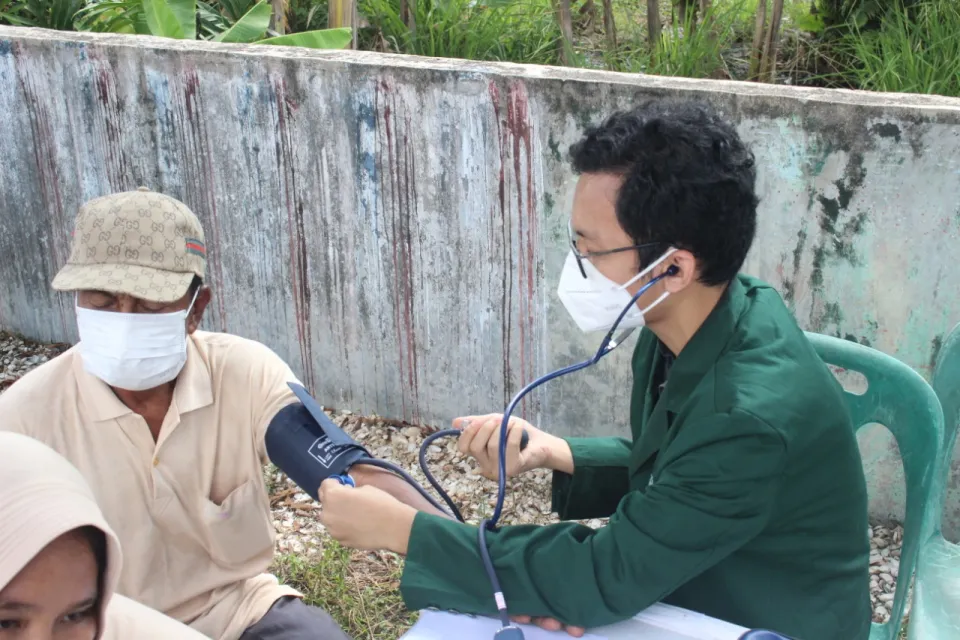
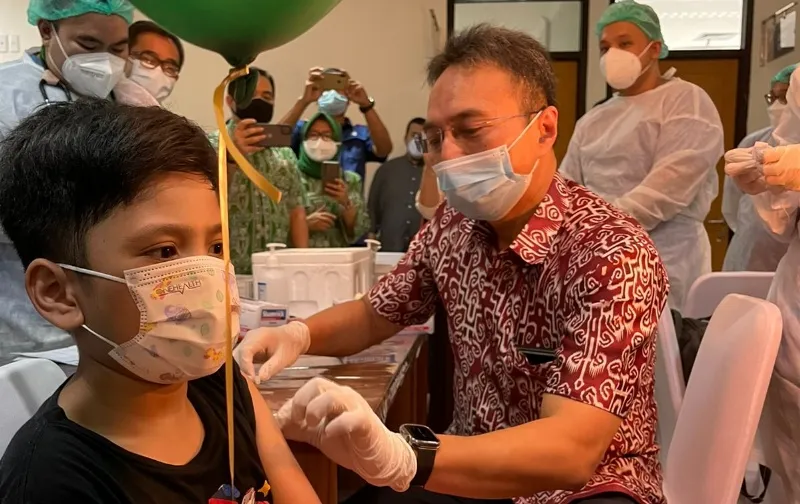
The clinical arm of the program targeted underserved communities with free services. The Faculty of Medicine and Universitas Sumatera Utara Hospital jointly conducted 45 medical‑service events, providing general checkups, routine immunizations, and screenings for chronic conditions to more than 18,000 patients. Field teams coordinated triage, health education, and referrals, while students—under faculty supervision—gained structured exposure to primary‑care delivery and population‑health approaches. “Universitas Sumatera Utara is transforming education into direct health impact,” the Rector stated, underscoring a model that integrates teaching, research, and service to strengthen community resilience.
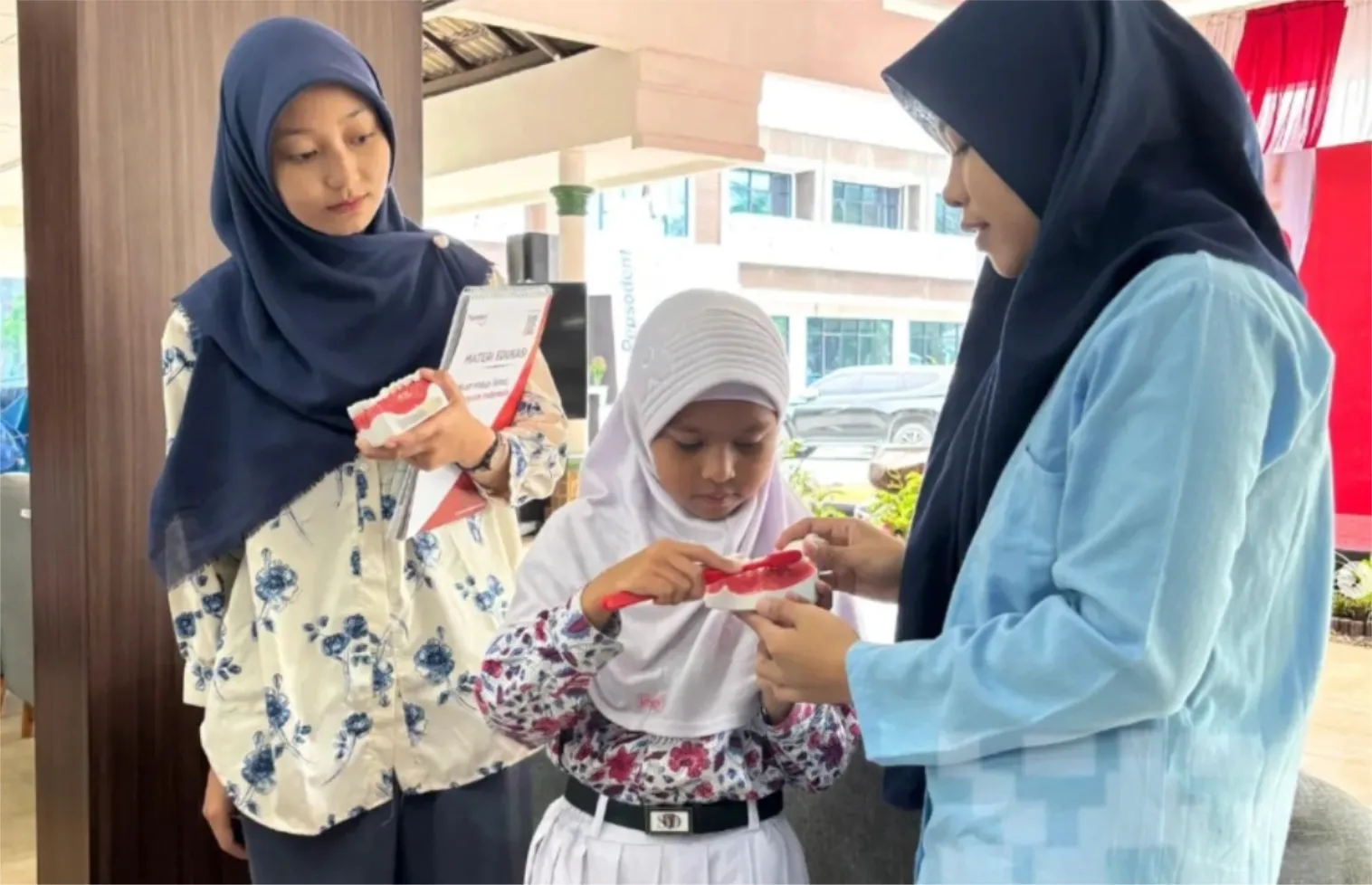
USU also placed a strong emphasis on life‑course health. The Faculty of Nursing led elderly‑care workshops in seven districts, covering active ageing, nutrition, fall prevention, and mental well‑being. In parallel, the Faculty of Dentistry expanded oral‑health education and mobile dental services to 1,200 children in rural schools, emphasizing early intervention through fluoride application, basic treatment, and referrals for complex cases. These initiatives address needs that are often overlooked in conventional outreach, linking prevention with timely care.
Student engagement remained a defining feature. Through the Thematic Community Service Program, more than 2,000 students worked alongside midwives, community health centers, and village leaders across rural and coastal areas. Their projects ranged from health‑literacy classes and home visits to monitoring growth faltering and supporting immunization drives. On campus, the Healthy Campus Initiative drew over 3,000 participants to sports activities, cycling clubs, and wellness seminars—promoting physical activity and mental health for the university community itself. The Green Campus Team extended these habits to nutrition and sustainability through the Clean Plate Movement (Piring Bersih) and Zero Hunger Day, encouraging balanced diets, food‑waste reduction, and responsible consumption.
The Community Wellbeing Program also reflects USU’s broader sustainability commitments. By integrating education, community service, and applied research, the university advances SDG 3 (Good Health and Well‑Being) while contributing to SDG 2 (Zero Hunger) and SDG 12 (Responsible Consumption and Production). The framework is anchored in USU policy—Rector’s Regulation No. 3 of 2019 on the Green Campus Movement and Circular Letter No. 1 of 2023 on Environmental Management and Carbon Neutrality—which guide resource use, emissions reductions, and campus‑wide behavior change. Program data and lessons learned feed back into curricula and faculty research, strengthening the pipeline from evidence to practice and helping local governments prioritize high‑impact, community‑based interventions.
Taken together, the numbers point to a model that scales with purpose: 429 projects, 80,000 beneficiaries, and thousands of students and lecturers working in concert with health authorities. By pairing prevention with basic clinical services, mobilizing trained volunteers, and embedding sustainability into daily routines, USU demonstrates how a public university can serve as a convener and catalyst for equitable health. The result is a practical pathway from classrooms to communities—one that supports healthier families today and builds the knowledge base for sustained, region‑wide improvement tomorrow.