


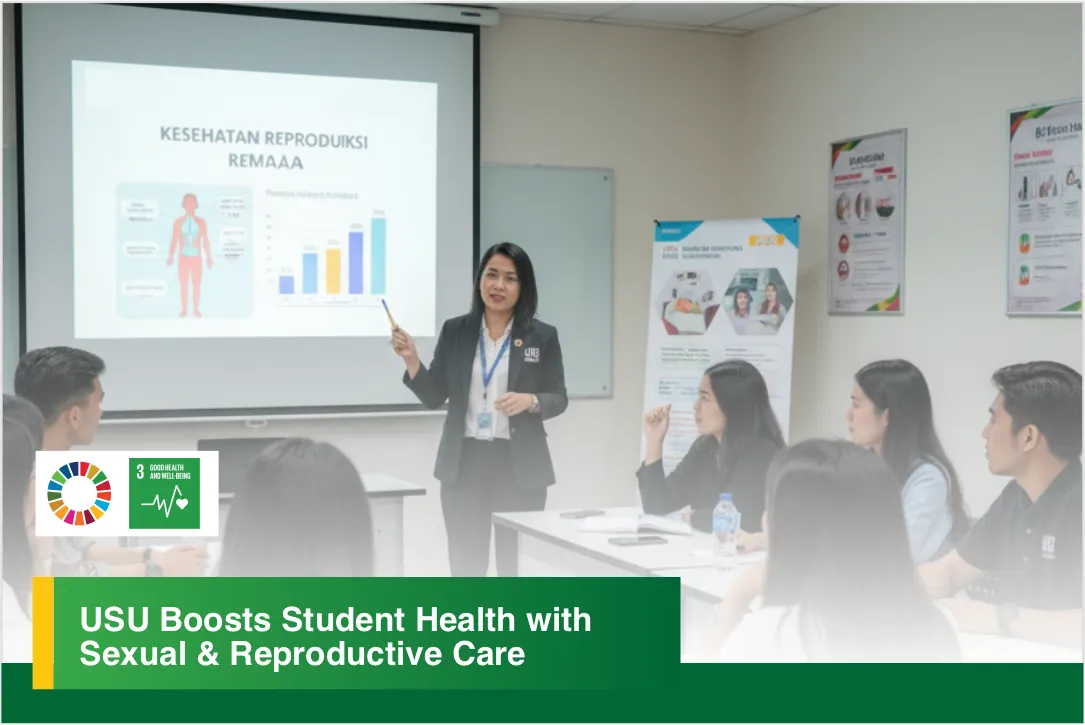
Medan, (April 10, 2024) — Universitas Sumatera Utara (USU) is expanding a campus‑wide approach to student well‑being that integrates clinical care, health education, and targeted outreach on sexual and reproductive health. The initiative is designed to give students timely access to confidential services, reliable information, and clear referral pathways—so they can make informed decisions and seek support without stigma. Anchored in public‑health principles and aligned with SDG 3 (Good Health and Well‑Being), the program couples day‑to‑day clinical provision with prevention campaigns and peer‑led engagement.
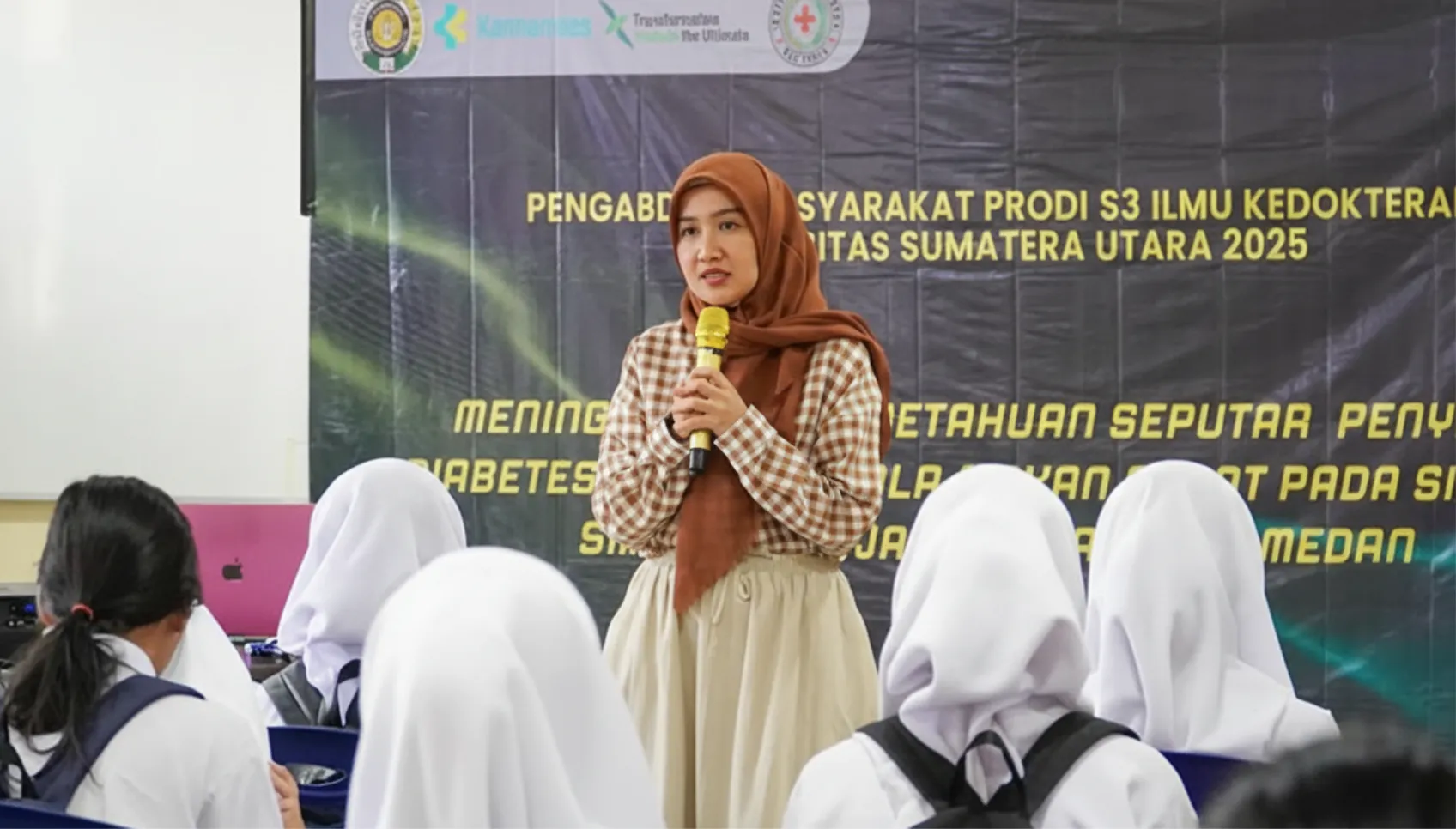
At the center of service delivery is Poliklinik Universitas Sumatera Utara, which offers confidential consultations on reproductive health, screening for sexually transmitted infections, menstrual health counseling, and family‑planning services. According to university records, the clinic handled more than 4,300 student visits in 2024, a substantial share of which related to reproductive and mental‑health support. The emphasis is on inclusive access: students of any gender can book consultations in a private setting and, where appropriate, are connected to counseling or external care through established referral mechanisms.
Prevention and health literacy are advanced through regular awareness campaigns run with the National Population and Family Planning Agency (BKKBN). Between January and March 2024, USU hosted on‑campus and satellite sessions focused on contraception, healthy relationships, and pregnancy prevention. The activities reached over 1,500 students and featured participation from government representatives and reproductive‑health experts. The goal, university officials say, is to replace rumor and misinformation with evidence‑based content, while normalizing conversations about reproductive choices and consent.
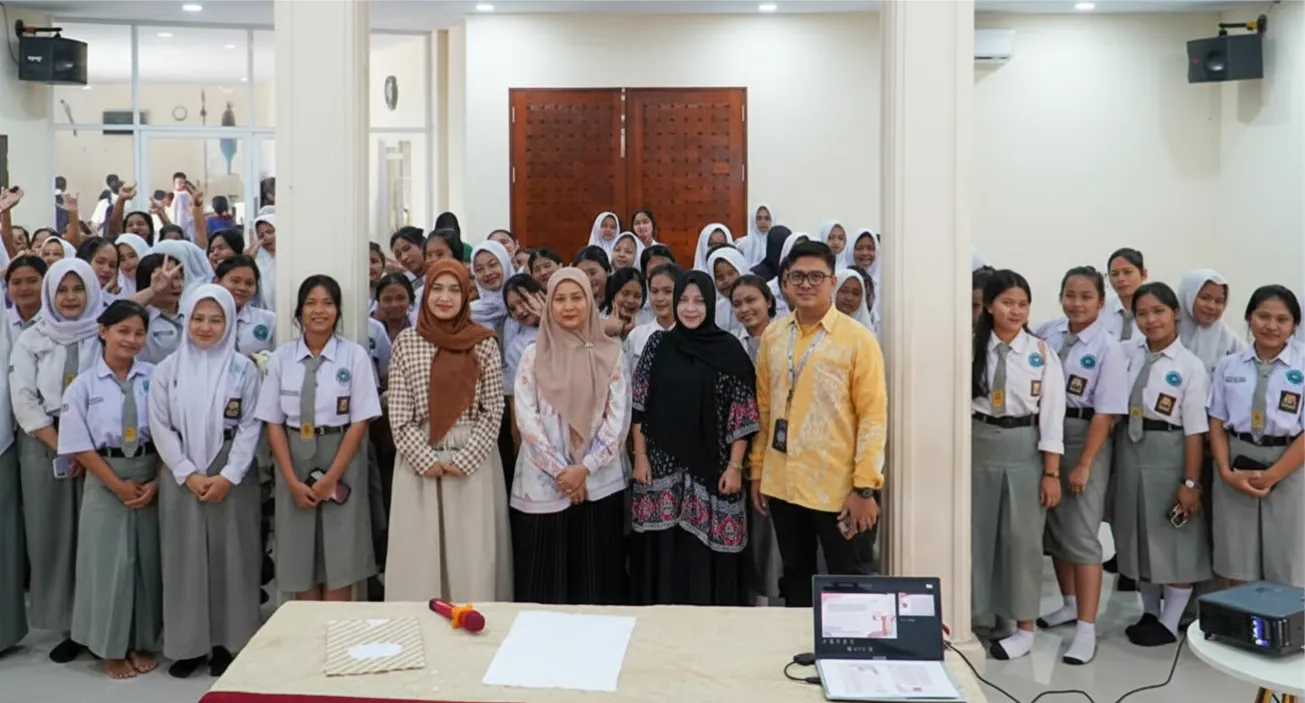
Creating a safe environment is treated as a core determinant of health. USU’s Task Force on Prevention of Sexual Harassment and Gender‑Based Violence led a February 2024 series of seminars and workshops at the Rectorate Building that drew more than 700 participants, including students, faculty, and organizations working on women’s and children’s protection. The sessions focused on gender equality, sexual rights, and practical methods to prevent sexual violence—reinforcing that safety, dignity, and access to justice are integral to student well‑being and academic success.
Peer involvement amplifies reach. The Sahiva Volunteers—active since the early 2000s—conducted outreach on campus and in 10 high schools across Medan in March 2024, engaging more than 1,000 students and pupils. Programming combined information booths, mobile counseling, and social‑media campaigns covering adolescent reproductive health, HIV/AIDS prevention, and drug‑abuse risks. Working with non‑profit partners, Sahiva extends campus expertise into the wider community, helping younger audiences access age‑appropriate guidance and services.
USU’s comprehensive model is deliberately educational as well as clinical. Throughout April 2024, the university convened additional seminars and workshops that brought together students, faculty, and external health professionals to discuss reproductive health from multiple angles—medical, behavioral, and social. These forums complement clinical care by building skills in help‑seeking, bystander intervention, and risk reduction, and by making it easier for students to navigate services when needs arise.
University leadership situates the work within a broader social‑responsibility mandate. “As an institution, we are dedicated to providing comprehensive care and education to support our students’ well‑being. Through these initiatives, we aim to create a campus environment where students can thrive academically and personally,” said Professor Dr. Muryanto Amin, Rector of USU. The statement underscores a governance approach in which health services, curricula, and outreach are aligned and mutually reinforcing.
Taken together, the numbers and activities point to a system that is both accessible and preventive: thousands of clinic visits managed in confidential settings; targeted campaigns that meet students where they are; formal efforts to prevent gender‑based violence; and peer networks that extend support beyond the clinic walls. By integrating clinical provision with education and community engagement—and by ensuring that every component is inclusive and evidence‑informed—USU demonstrates how a university can translate health commitments into tangible outcomes for its students, while advancing the broader aims of SDG 3.