


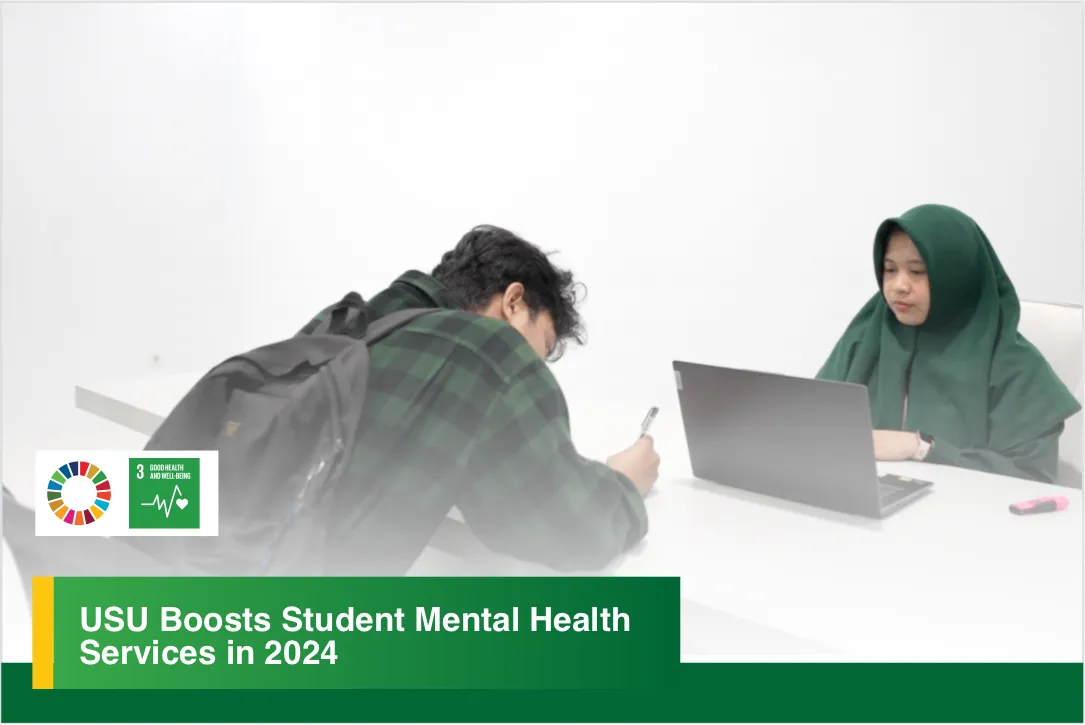
Medan, (December 27, 2024) — Universitas Sumatera Utara (USU) is reinforcing its campus mental‑health ecosystem with a model that combines confidential clinical care, prevention, and clear referral pathways. According to university records, the Student Counselling and Mental Health Unit logged more than 3,100 student visits in 2024, signalling sustained demand for timely, campus‑based psychological support. Operating under the Directorate of Student Achievement and Alumni Affairs, the unit provides free counselling, crisis intervention, and referrals for complex cases, with the most common presenting concerns including anxiety, academic stress, depression, family issues, and adjustment to university life.
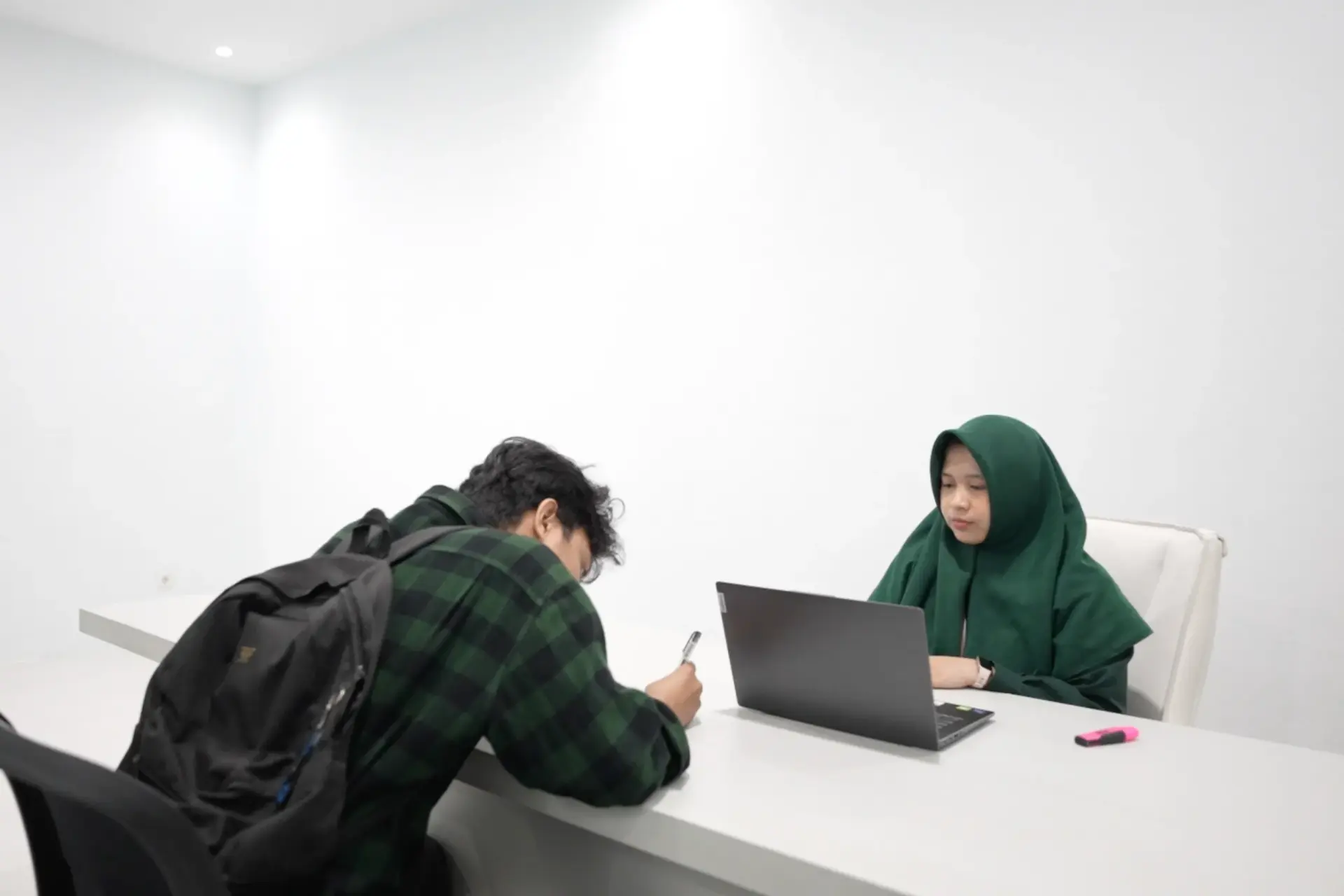
As the first point of contact, the Student Counselling and Mental Health Unit offers individual sessions delivered by trained counsellors, rapid response for students in crisis, and structured hand‑offs when specialised treatment is indicated. Continuity of care is central to the design: students move through assessment, counselling, and—where necessary—external referral without losing privacy or momentum. The emphasis on confidentiality and non‑judgemental support is intended to lower barriers that often keep young adults from seeking help, particularly during high‑pressure periods of the academic year.
Clinical services are strengthened by the Faculty of Psychology’s Psychology Service Clinic, which provides therapy, psychological assessments, and group workshops under the supervision of licensed psychologists. The clinic complements campus counselling by offering evidence‑based interventions and a monitored practice environment for final‑year students under professional oversight. Together, the two settings create a continuum that ranges from brief, solution‑focused counselling to more intensive therapeutic support, depending on need and clinical indication.
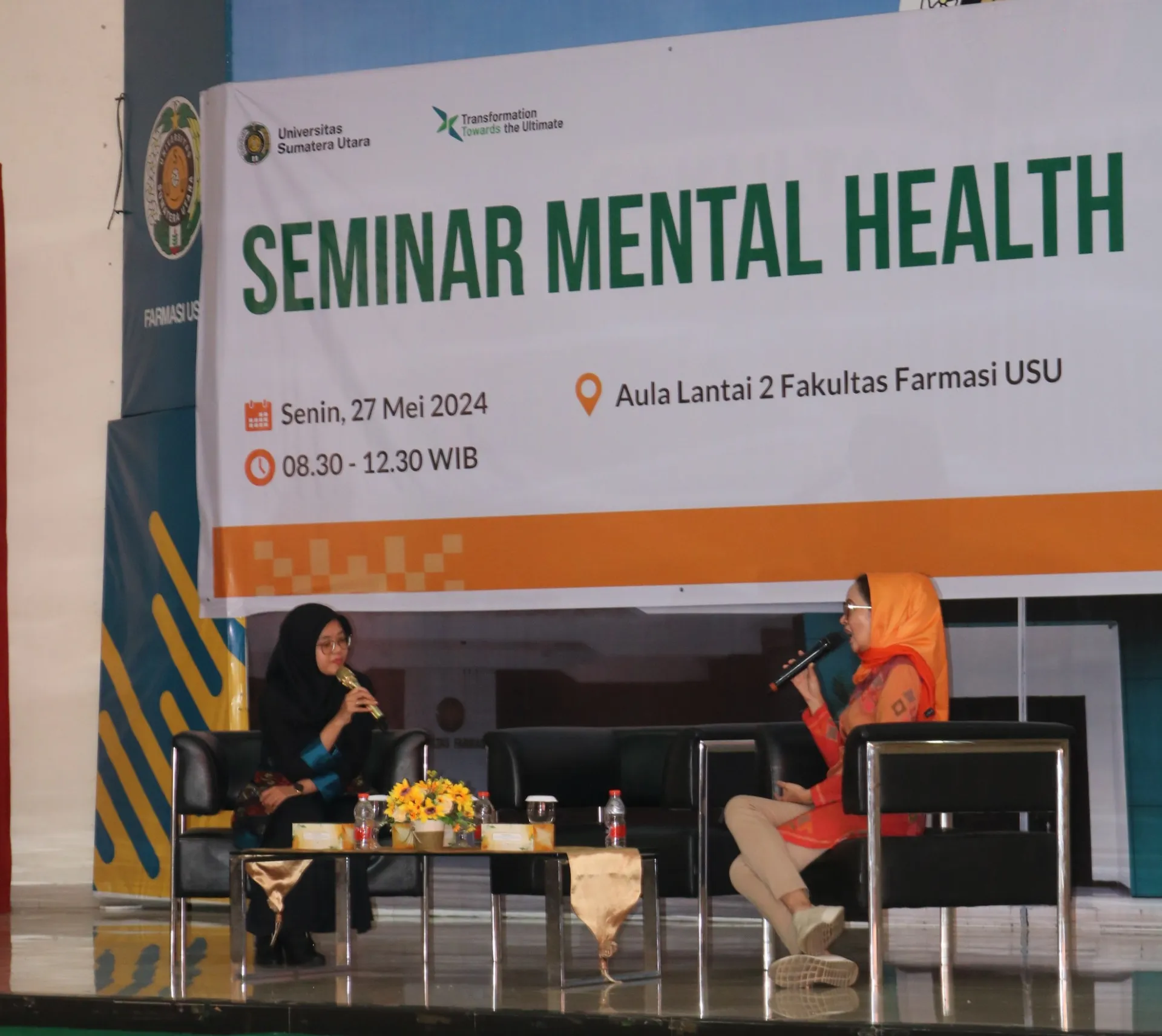
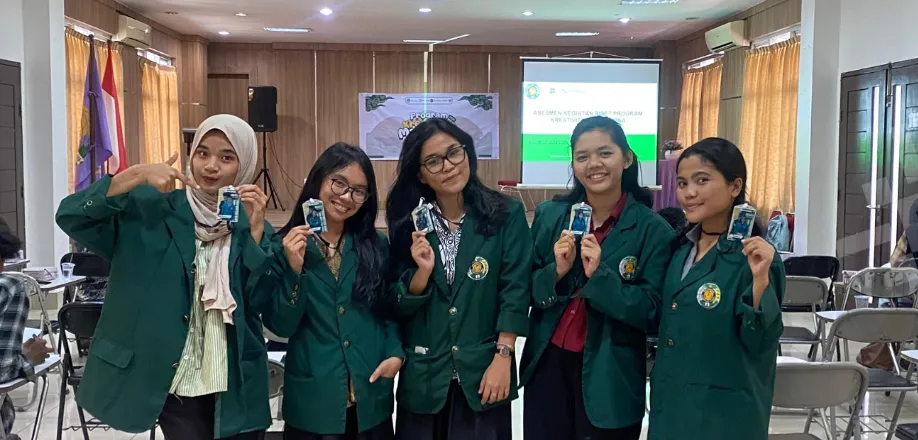
Prevention and mental‑health literacy remained priorities in 2024. Universitywide initiatives such as Mental Health Week, Mental Health Day activities, and peer‑counselling bootcamps engaged more than 2,000 students over the course of the year. Programming focused on early help‑seeking, psychoeducation, and peer support skills—equipping students to recognise warning signs, have informed conversations with friends, and navigate the pathway to care. Organisers underscored that reducing stigma is as important as expanding services; the more familiar students are with the language and logistics of care, the sooner they tend to seek assistance.
Mental‑health promotion is also woven into academic and student‑life routines. Faculties and student‑affairs units integrate well‑being content into orientation and mentoring systems and offer practical sessions—from yoga and guided breathing to resilience training and digital‑detox challenges—that help students manage workload, sleep, and screen time. The goal is to translate research on stress and cognition into everyday habits that support concentration and reduce burnout, especially during examination cycles and transitions between semesters.
When students require advanced care, USU relies on formal referral partnerships with Universitas Sumatera Utara Hospital and regional hospitals. These pathways ensure appropriate clinical follow‑up while maintaining coordination with campus counsellors. To extend reach beyond the physical campus, the university also supports online mental‑health platforms, allowing students in remote or off‑site placements to access counselling and check‑ins. Remote options are especially valuable for students balancing fieldwork, family responsibilities, or part‑time employment, ensuring continuity even when schedules or geography are challenging.
Administratively, the system is designed for accountability as well as access. Utilisation figures—more than 3,100 counselling visits in 2024 and participation totals for awareness programmes—are tracked through internal reporting, enabling units to adjust staffing, outreach, and workshop content in response to demand. Data are anonymised for review and used to identify peak periods for stress management programming and to refine referral protocols.
USU frames these efforts within a broader commitment to Sustainable Development Goal 3 (Good Health and Well‑Being). By pairing confidential counselling with clinical back‑up, prevention campaigns, and remote access, the university is building a culture in which students can seek help early and receive the right level of care at the right time. The approach recognises that academic success and mental health are interdependent: when students have reliable support, clear information, and multiple entry points to care, they are better positioned to learn, participate, and thrive.